



Who is Reza Pahlavi? The exiled prince re-emerging in Iran's protests
As anti-regime protests sweep through Iran, the exiled son of the late Shah, Reza Pahlavi, positions himself as a "custodian" for a democratic transition and a 100-day plan.
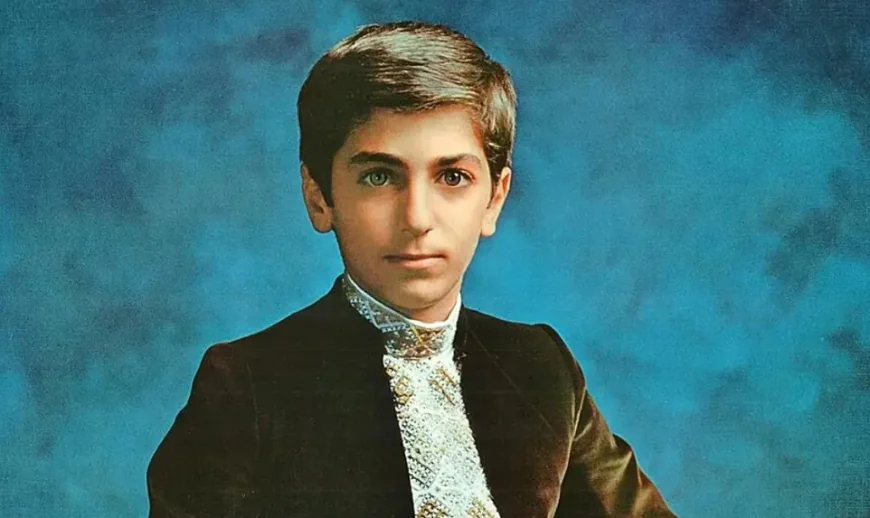


WISE NEWS PRESS / TEHRAN, IRAN
As the wave of protests against the Islamic Republic led by Ayatollah Ali Khamenei intensifies across Iran, a controversial figure has returned to the center of the political stage: Reza Pahlavi, the son of Iran's last deposed Shah. Slogans such as "Pahlavi will return" echoing in the streets of Tehran and Mashhad have brought the exiled crown prince back to the forefront of the debate over Iran's future.
Pahlavi defines himself not as a "candidate for power," but as a custodian of a national transition process intended to move Iran from authoritarianism to democracy. However, his re-emergence brings a deep polarization between nostalgic supporters and staunch critics of the former monarchy.
The exiled heir of a fallen dynasty
Born on October 31, 1960, in Tehran, Reza Pahlavi is the last representative of the Pahlavi Dynasty that ruled Iran for over 50 years. His father, Mohammad Reza Shah Pahlavi, was overthrown during the 1979 Islamic Revolution, ending over 2,500 years of monarchy.
Pahlavi was training as a fighter pilot in the U.S. when the revolution broke out. Since then, he has lived in exile, primarily near Washington D.C. After decades of suggesting that change must come from "within," Pahlavi has significantly sharpened his rhetoric, calling for a unified front to dismantle the current regime.
The 100-day transition plan
In a series of calls to the Iranian people, Pahlavi has urged protesters to maintain their momentum despite internet blackouts and security crackdowns. He proposes a "100-day transition plan" should the current government collapse. His core promises include:


-
Free Elections: Organizing transparent and fair democratic elections.
-
Legal Reform: Restoring the rule of law and judicial independence.
-
Equality: Guaranteeing constitutional equality between men and women.


-
Referendum: Allowing the public to vote on the final form of government (Republic vs. Constitutional Monarchy).
Diplomatic ties and controversies
Pahlavi’s increasing engagement with Western capitals and his high-profile 2023 meeting with Israeli Prime Minister Benjamin Netanyahu remain points of contention. While some view these as vital diplomatic steps to isolate the current regime, others criticize him for aligning too closely with foreign powers.
Furthermore, his praise for U.S. President Donald Trump as a "leader of the free world" has drawn mixed reactions. While Trump has recently been cautious about officially endorsing a "successor," Pahlavi continues to seek international political support to legitimize his role as a transitional figure.
Legacy of the Shah: Supporters vs. Critics
Supporters view Pahlavi as a symbol of stability and the only figure with the international recognition necessary to lead a transition. For many Iranians facing economic collapse, the Pahlavi era represents a lost age of modernization and secularism.
Conversely, critics point to the censorship and human rights abuses committed by the SAVAK (the Shah’s secret police) during his father’s reign. They argue that Pahlavi’s democratic promises contradict his symbolic coronation as "Shah" in Cairo in 1980, questioning whether he can truly represent a democratic future.
What's Your Reaction?
 Like
0
Like
0
 Dislike
0
Dislike
0
 Love
0
Love
0
 Funny
0
Funny
0
 Wow
0
Wow
0
 Sad
0
Sad
0
 Angry
0
Angry
0

Editor | Wise News Press — Delivering accurate, timely global news with integrity, insight, and editorial responsibility.















Comments (0)