



An open call to Zelenskyy, the SBU, ministers and Ukrainian authorities
A first-person opinion column on the treatment I experienced in Nikolaev and why it matters for Turkish-Ukrainian trust, justice and wartime diplomacy.


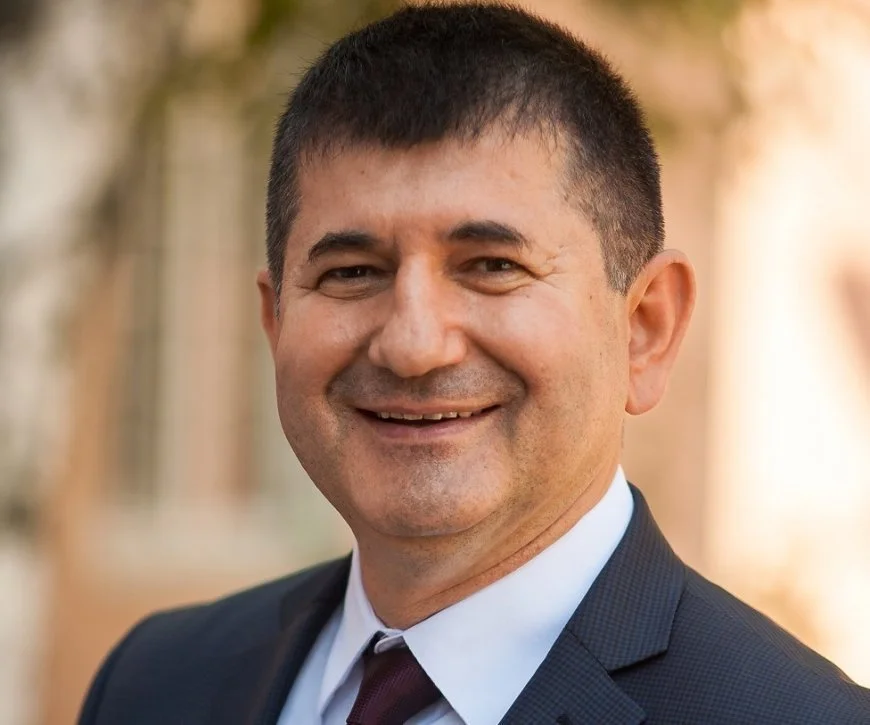
Yusuf İnan
Journalist, Author
NIKOLAEV, Ukraine — I address this open call to Zelenskyy, the SBU, ministers and Ukrainian authorities because what I personally experienced in Nikolaev has become a matter of justice, family, diplomacy and wartime responsibility.
I write not as an enemy of Ukraine, but as someone who has lived in this country, helped people in Nikolaev, witnessed the pain of war and still believes that Ukraine’s moral strength must be protected. What I experienced with the Migration Office, some SBU officers and the police is not merely a personal grievance. It is a warning about how local misconduct can damage the trust between friendly nations.
Ukraine’s pain is visible, and that makes injustice harder to bear
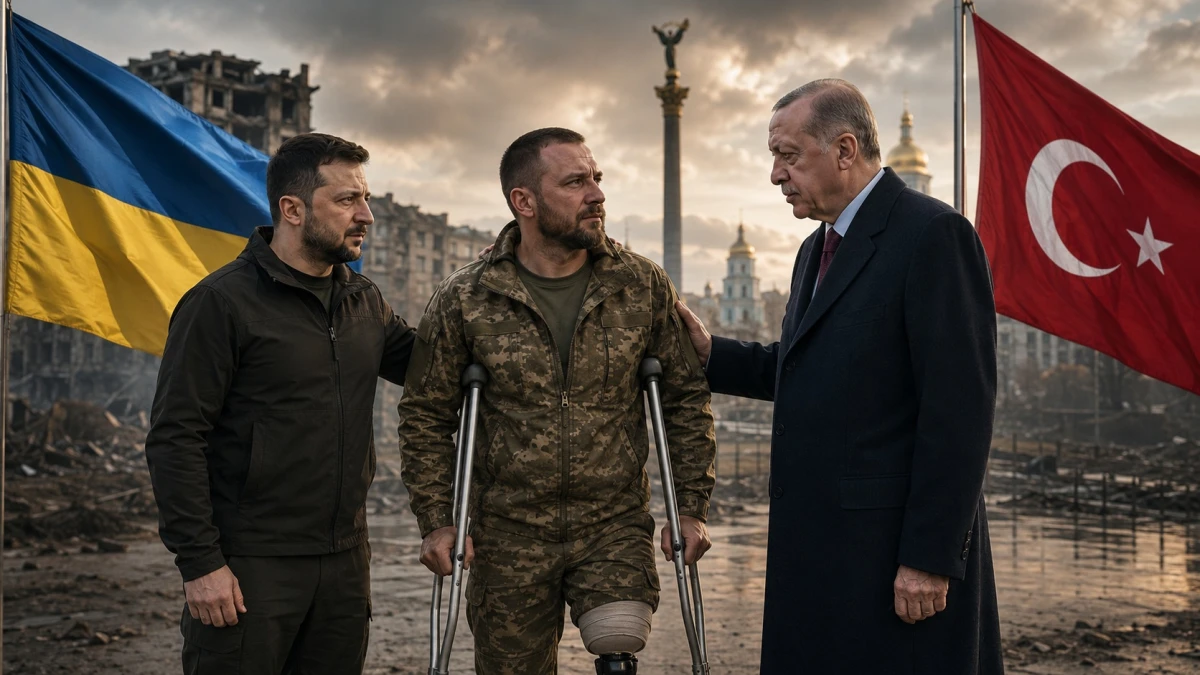
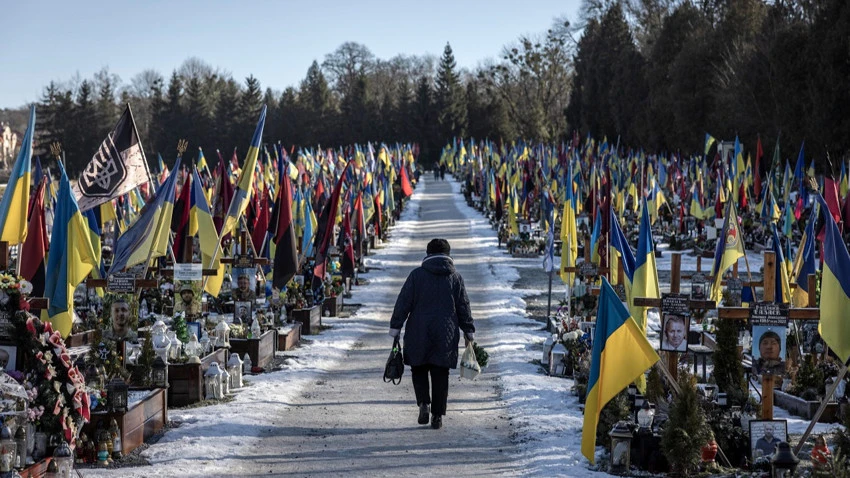
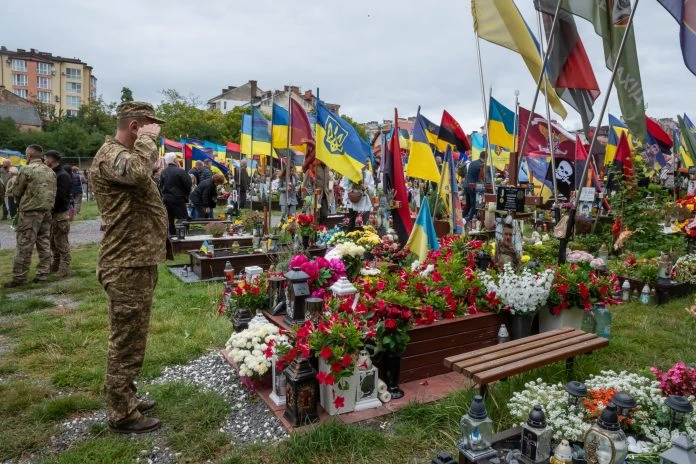
In Ukraine, a person sometimes does not know what to grieve first. Russian aggression has left wounds on streets, in cemeteries and on the bodies of veterans. Air raid sirens cut through the sky. Families live with fear. Mothers, wives and children carry losses that cannot be measured in official reports.


I have seen this pain with my own eyes. I have walked through Nikolaev while the sound of sirens reminded everyone that the war is not an abstraction. I have seen wounded soldiers trying to continue life with dignity. I have seen the sadness of a people who are paying an unbearable price for freedom.
That is exactly why what happened to me hurts so deeply. When a country is defending itself against occupation, every state officer must act with greater justice, greater restraint and greater dignity. A soldier may defend the country at the front, but a careless official can damage the very idea of the state from behind a desk.
I am a father of three young girls, not a file to be pushed aside
I am the father of three young daughters. Any action that pushes a father away from his children must be weighed first by conscience and then by law. Family unity is not a bureaucratic detail. For a child, a father is not only a name on a document. He is safety, memory, protection and emotional shelter.


What I experienced in the migration process made me feel as if the system was not trying to protect a family, but to separate three young girls from their father. A state has the right to check documents, apply rules and conduct procedures. But no state should treat the emotional life of children as if it were a cold administrative matter.
The question is simple: should Ukrainian institutions be remembered for protecting justice and family dignity even during war, or for allowing local bureaucracy to wound children and alienate a citizen of a friendly country?
A country fighting for its own children must be especially careful not to break the hearts of other children.
What I experienced with SBU officers raises serious questions
The process I experienced with some SBU officers in Nikolaev was among the most painful parts of this story. My phone was taken. My personal information was accessed. I was presented with handwritten material and pressured to sign texts in a language I could not fully read or verify.
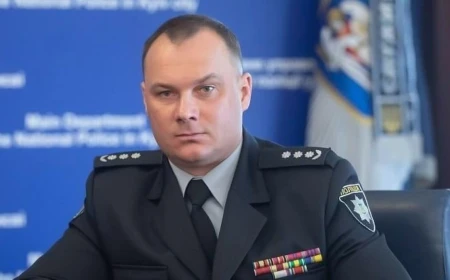
This is not how a serious democratic state should treat a foreign citizen, a journalist and a father. The SBU’s mission should be to defend Ukraine, to protect the country against Russian aggression and internal threats, and to preserve the security of the state. But when such treatment is directed at a Turkish citizen who has lived in Ukraine and helped people there, the result is not security. The result is distrust.
I must ask a difficult but necessary question: whom does this kind of behavior serve?
Does it serve Ukraine?
Does it strengthen Ukraine’s friends?
Does it help the Ukrainian people?
Or does it create material that Russian propaganda can use to say, “Look, Ukraine mistreats even citizens of friendly countries”?
This is not an accusation made lightly. It is a strategic warning. In wartime, careless treatment of allies is not only morally wrong; it is politically dangerous.
At the police station, I went as a victim and felt treated like a suspect
My car was stolen or unlawfully kept from me. With legal assistance, we prepared a petition and asked the police to find the vehicle and take the necessary legal steps. I went to the police as a victim seeking help.
What I experienced there was deeply troubling. There was no interpreter. Although I do not know Ukrainian well enough to verify handwritten legal text, statements were written by hand and I was expected to sign them. I saw that some parts did not properly reflect what I had said. Even correcting the record became a struggle.
Then, instead of being treated as a victim, I felt as if I were being treated like a suspect. Attempts were made to photograph me and to take images of my passport, even though I had already provided identification and documents through official channels.
Of course, police can verify identity. Of course, officers can request documents. But there is a legal way, a respectful way and a proper way to do this. When a foreign citizen gives a statement, the right to understand the language and the accuracy of the record are not luxuries. They are basic conditions of justice.
A police station should be the place where a victim finds protection, not the place where he begins to fear the paperwork more than the crime itself.
Turkish-Ukrainian friendship must not be poisoned by local misconduct
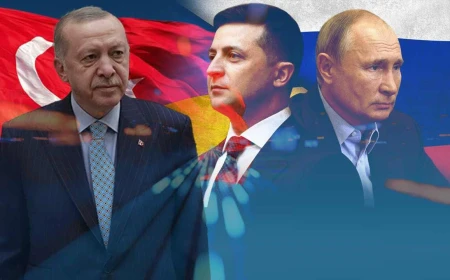
Turkey has stood with Ukraine in difficult times. The Turkish people have watched Ukraine’s suffering with sympathy. Ankara has tried to keep diplomatic channels open, support humanitarian efforts and contribute to attempts at peace.
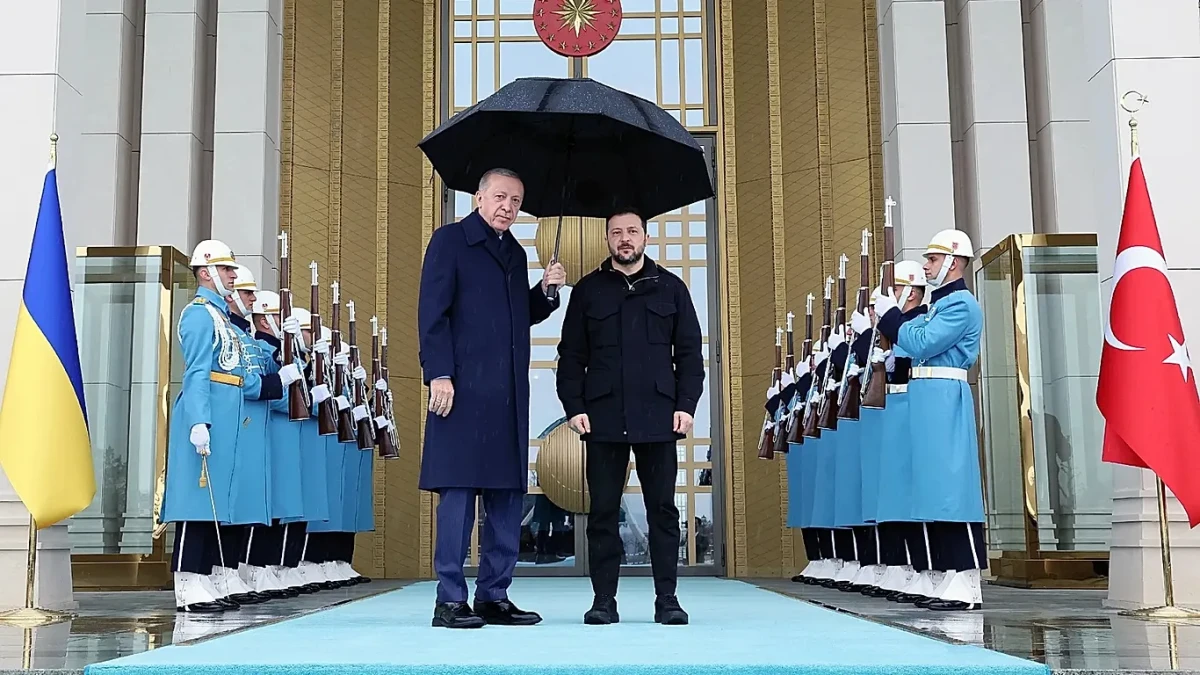
That is why what happened in Nikolaev cannot be treated as a small local matter. If Turkish citizens are mistreated in Ukraine, the damage does not remain inside one office or one police station. It travels to public opinion. It enters diplomatic conversations. It creates the question: “Is this how Ukraine treats citizens of a friendly country?”
Who benefits from that question?
Not Turkey.
Not Ukraine.
Not the Ukrainian people.
Only Russia’s propaganda machine benefits from images of distrust between Ukraine and its allies.
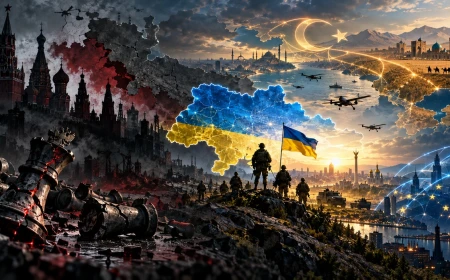
Ukraine is not only defending territory. It is defending the moral claim that it belongs to the free world, that it respects law, human dignity and the rights of individuals. If local officials damage that claim, they weaken Ukraine’s strongest argument before the world.
An open call to Zelenskyy, the SBU, ministers and Ukrainian authorities
I openly call on Zelenskyy, the SBU leadership, the Ministry of Internal Affairs, the National Police leadership, relevant ministers, responsible state officials and Crimean Tatar leaders who understand both Ukraine’s struggle and Turkey’s importance:
Please examine what I experienced in Nikolaev.
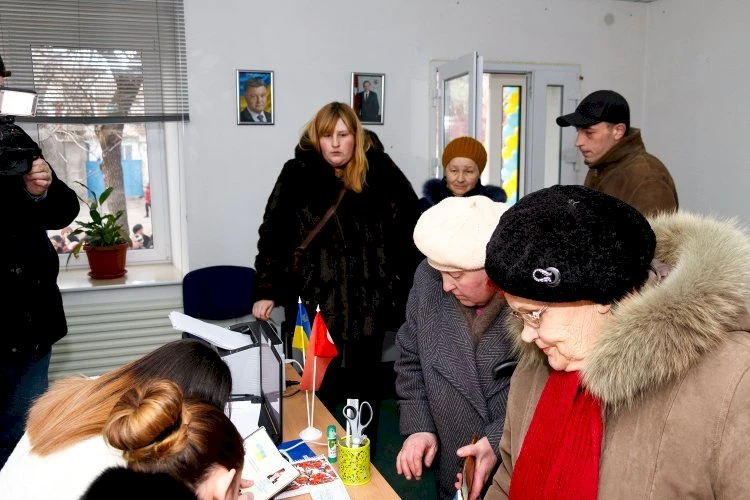
Examine the migration process that threatens to separate a father from three young daughters. Examine the conduct of SBU officers who took my phone, accessed my personal information and tried to make me sign handwritten material I could not properly verify. Examine the police process in which I went as a victim, without an interpreter, and was asked to sign statements that did not fully reflect my words.
This call is not against Ukraine. It is for Ukraine.
Because Ukraine’s greatest strength is not only its army. It is the belief that Ukraine is a state of law, a member of the democratic world, and a country that protects human dignity even while under attack.
If that belief is damaged by local arbitrariness, Ukraine loses something more precious than one administrative case. It loses trust.
A wounded veteran made me ask what I should grieve first
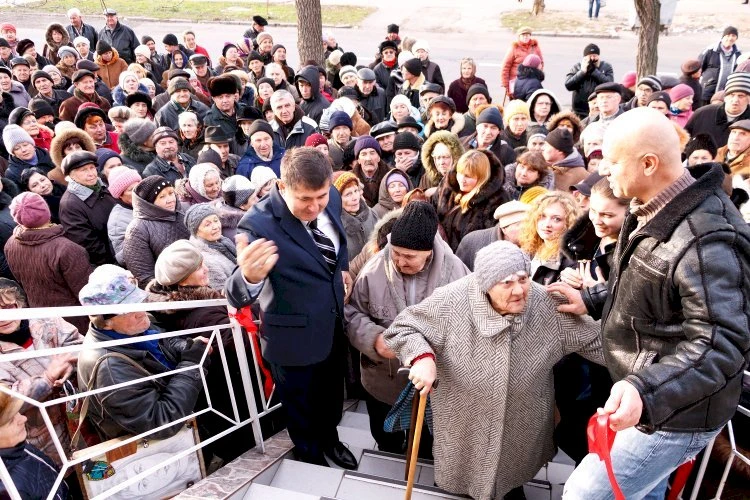
While thinking about these events, I saw a Ukrainian veteran whose leg had been amputated. He was trying to get into a minibus with crutches. His body carried the cost of war, but his face carried dignity.
I looked at him, and then I thought about what I had experienced.
I thought about the SBU process. I thought about the Migration Office. I thought about the police station. I thought about being a father of three young girls, seeking justice, and feeling pushed through a system that did not want to hear me properly.
*
At that moment I truly did not know what to grieve first.
Should I grieve Russian aggression?
Should I grieve Ukraine’s fallen soldiers?
Should I grieve wounded veterans?
Should I grieve mothers and children crying at graves?
Or should I grieve the fact that, amid all this pain, some officials can still act in ways that damage the honor of the very state those soldiers fought to defend?
This is not hostility; it is a warning from a friend
I do not write this as an enemy of Ukraine. I write it as a friend who is deeply wounded. Friendship is not only praise. Real friendship is also warning when something is wrong.
Turkey and Ukraine have a relationship too important to be damaged by local abuse, careless records, language barriers, pressure, family separation or disrespect toward citizens of an allied country.
In wartime, law is not needed less. It is needed more.
In wartime, mercy is not weakness. It is state wisdom.
In wartime, respect for citizens of friendly countries is not a diplomatic courtesy. It is a strategic necessity.
Ukraine must defend not only its land, but also its justice, its honor and the trust of its friends.
My call is clear: what I experienced in Nikolaev must not be covered up, minimized or dismissed. It must be examined, corrected and prevented from happening again.
Because Ukraine’s strongest answer to aggression is not only its weapons.
It is justice.
Yusuf Inan
Yusuf Inan is a journalist and writer. He serves as Editor-in-Chief of UAPresa.com, WiseNewsPress.com, SehitlerOlmez.com and YerelGundem.com, and specializes in strategic and political analysis of Turkish and global affairs.
What's Your Reaction?
 Like
0
Like
0
 Dislike
0
Dislike
0
 Love
0
Love
0
 Funny
0
Funny
0
 Wow
0
Wow
0
 Sad
0
Sad
0
 Angry
0
Angry
0

Editor | Wise News Press — Delivering accurate, timely global news with integrity, insight, and editorial responsibility.













Comments (0)