



CIA chief in Moscow warned Russia not to test NATO allies, reports say
CIA Director John Ratcliffe reportedly warned Moscow against testing NATO allies, while Trump said the visit focused mainly on ending the war in Ukraine.


By Ahmet Taş | Wise News Press
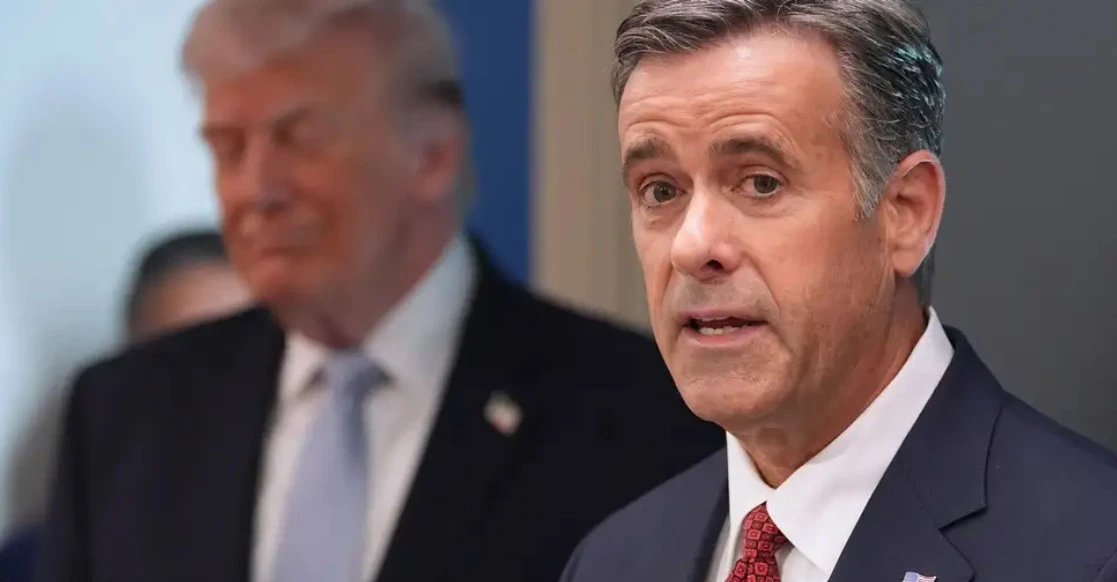
WASHINGTON / MOSCOW — CIA Director John Ratcliffe reportedly used an unusual visit to Moscow to warn Russia against testing NATO allies, as US officials assessed possible risks of future Russian escalation beyond Ukraine.
US media reports cited by DW said Ratcliffe delivered the warning during his first known trip to Russia since becoming CIA director. The visit came at a sensitive moment in the war in Ukraine, amid stalled diplomatic efforts, renewed concern over NATO’s eastern flank and tensions involving Iran.
The Kremlin confirmed that Ratcliffe held talks with Russian security officials but said he did not meet President Vladimir Putin. US President Donald Trump later described the trip as “semi-routine” and said the discussions were primarily connected to efforts to end the war in Ukraine.
US reports point to warning over NATO
The Wall Street Journal, CBS News and Politico, citing unnamed sources familiar with the discussions, reported that Ratcliffe warned Russian officials about the consequences of possible aggression against NATO member states.
According to those reports, US intelligence agencies are concerned that Moscow could eventually attempt to test NATO’s resolve through a limited military action or other form of escalation.


The concern reportedly focuses particularly on NATO members in the Baltic region, where Estonia, Latvia and Lithuania share geographic proximity with Russia and have repeatedly warned about the long-term security threat posed by Moscow.
The reported warning does not mean US intelligence has publicly concluded that a Russian attack on NATO is imminent. Rather, the reports describe concern about a possible future attempt to probe the alliance’s willingness to respond collectively.
NATO’s Article 5 treats an armed attack against one member as an attack against all members of the alliance.


No official transcript of Ratcliffe’s talks has been released, and neither Washington nor Moscow has publicly confirmed that a NATO warning formed part of the discussions.
Trump says Ukraine was the main subject
President Donald Trump gave a more restrained description of Ratcliffe’s mission.
Speaking after the visit, Trump characterized the Moscow trip as “somewhat semi-routine” and said his administration remained focused on bringing the Russia-Ukraine war to an end.
“He’s there for what you could call a pretty routine reason. We want to see the war in Ukraine end,” Trump said, according to the account cited by DW.
Trump rejected suggestions that Ratcliffe had travelled primarily to discuss Russia potentially testing NATO or the US pressure campaign against Iran.
His comments introduced an important distinction between media reports based on unnamed sources and the administration’s public description of the visit.
The White House has not released detailed information about the agenda, the officials Ratcliffe met or any commitments sought from Moscow.
As a result, the exact balance between discussions on Ukraine, NATO and other security issues remains unclear.
Iran also reportedly featured in the talks
Politico reported that Ratcliffe also urged Moscow to reduce military and financial support for Iran.
CBS News, meanwhile, said the CIA director carried messages concerning the conflict involving Iran and warned of possible additional sanctions if the Strait of Hormuz remained closed to maritime traffic.
Trump publicly denied that pressure on Iran was the principal purpose of Ratcliffe’s visit.
The differing accounts underline the secrecy surrounding high-level intelligence contacts. Such meetings can involve several subjects at once, while governments frequently avoid publicly discussing the most sensitive exchanges.
Russia and Iran have developed close military and strategic ties, particularly since Russia’s full-scale invasion of Ukraine. Moscow’s relationship with Tehran has therefore become an important factor in US-Russian tensions extending beyond the European battlefield.
However, the publicly available information does not establish how prominent Iran was in Ratcliffe’s Moscow discussions.
Kremlin confirms talks but says Putin was not involved
Kremlin spokesman Dmitry Peskov confirmed that Ratcliffe met representatives of Russia’s security services during the visit.
Peskov said no meeting with President Vladimir Putin had been planned.
Putin was subsequently informed about the outcome of the intelligence discussions, according to the Kremlin.
Peskov described continuing contacts between the intelligence services as a positive development, while cautioning against expectations of an immediate improvement in broader relations between Washington and Moscow.
He said it was too early to assess whether intelligence-level communication could help resolve the wider crisis in US-Russian relations.
The Kremlin’s confirmation is significant because direct high-level contact has become relatively rare since Russia launched its full-scale invasion of Ukraine in February 2022.
Intelligence channels, however, can remain active even when formal diplomatic relations are highly strained.
Visit recalls William Burns’ 2021 mission
Ratcliffe’s trip has drawn comparisons with the last known visit to Moscow by a serving CIA director.
In November 2021, then-CIA Director William Burns travelled to the Russian capital as US intelligence increasingly warned that Moscow was preparing for a major military operation against Ukraine.
Burns delivered warnings about the consequences of an invasion and sought to communicate Washington’s assessment directly to the Kremlin.
Russia repeatedly denied that it intended to invade Ukraine.
Three months later, on February 24, 2022, Russian forces launched the full-scale invasion.
The historical parallel has contributed to speculation that Ratcliffe may also have been sent because the White House wanted an especially sensitive warning delivered through intelligence channels rather than ordinary diplomacy.
There is, however, an important difference: unlike in late 2021, the United States has not publicly presented evidence of an imminent Russian attack on NATO territory.
Ukraine war remains central to US-Russia tensions
Ratcliffe’s visit took place as Russian attacks on Ukraine intensified during the summer and US-backed attempts to advance peace negotiations struggled to produce a breakthrough.
Moscow continues to insist on territorial and political conditions that Kyiv rejects, including Russian control over Crimea and demands concerning occupied areas of eastern Ukraine.
The United States has continued diplomatic efforts while also maintaining intelligence and security involvement connected to Ukraine.
The CIA has additionally played a role in communication with Moscow on issues such as prisoner exchanges, demonstrating that intelligence channels can serve purposes beyond conventional espionage.
Ratcliffe’s personal trip to Moscow therefore suggests that Washington considered the discussions important enough to require direct contact at the highest level of the US intelligence community.
Purpose of the mission remains partly undisclosed
What is known publicly is limited.
Ratcliffe travelled to Moscow and met Russian security officials. The Kremlin says he did not meet Putin but that the Russian president was briefed afterward.
Trump says Ukraine and efforts to end the war were the principal focus and has played down claims that the mission centered on NATO or Iran.
At the same time, several US media organisations, citing unnamed officials or people familiar with the matter, report that the CIA director delivered a warning against any Russian attempt to test NATO and also raised concerns related to Iran.
Those versions are not necessarily mutually exclusive, but none has been fully detailed by either government.
The clearest conclusion from the visit is therefore the continued importance of direct intelligence communication between Washington and Moscow at a moment when the war in Ukraine, NATO security and wider geopolitical tensions remain unresolved.
WiseNewsPress.com
What's Your Reaction?
 Like
0
Like
0
 Dislike
0
Dislike
0
 Love
0
Love
0
 Funny
0
Funny
0
 Wow
0
Wow
0
 Sad
0
Sad
0
 Angry
0
Angry
0

Ahmet Taş is a journalist, editor and Turkey Office Manager of the Wise News Press Media Group. He works across news, digital media and international publishing, focusing on accurate, responsible and accessible journalism. He contributes to the development of media projects that bring important political, social and global developments to a wider international audience.















Comments (0)