



Male breast cancer risks: Why social support is life-saving
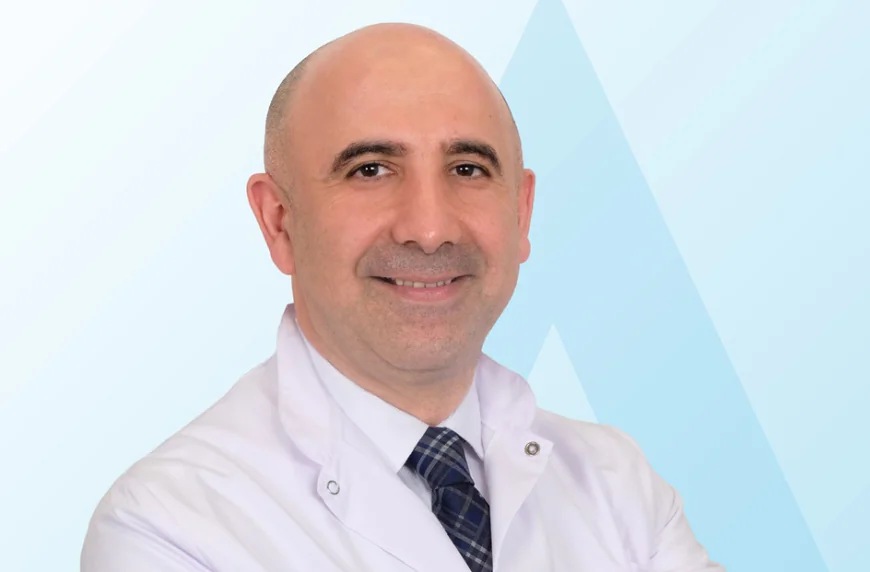
Prof. Dr. Fatih Aydoğan highlights the rising incidence of male breast cancer and explains how emotional support is as vital as medical treatment for survival.


WISE NEWS PRESS / ISTANBUL, TURKIYE
While breast cancer is globally perceived as a disease exclusive to women, medical experts are sounding the alarm on its rising incidence among men, who are often diagnosed at significantly later stages due to social stigma and lack of awareness. Prof. Dr. Fatih Aydoğan, a Surgical Oncology Specialist at Acıbadem Ataşehir Hospital, reports that approximately 200 to 250 men are diagnosed with breast cancer annually in Turkiye, typically identified during advanced stages between the ages of 65 and 70.
The primary hurdle in treating male breast cancer remains the deeply ingrained societal misconception that "men cannot get breast cancer." This bias often leads to the neglect of physical symptoms, such as palpable lumps, and a dangerous delay in seeking medical intervention. Scientific research indicates that early detection is just as critical for men as it is for women, yet men are frequently caught off guard by a diagnosis they never thought possible.
Seven key factors driving male breast cancer risks
While genetic predisposition remains a major driver, several lifestyle habits and physiological conditions can pave the way for the development of breast tissue malignancies in men. Prof. Dr. Fatih Aydoğan outlined seven primary factors that increase risk:
1. Excessive Alcohol Consumption: Alcohol impairs liver function, which is responsible for regulating hormone balance. When the liver is compromised, the body’s ability to clear estrogen is reduced, leading to an increase in estrogen levels in men. This hormonal imbalance can negatively affect breast tissue and significantly raise cancer risks.
2. Obesity and Excess Weight: Excess body fat is not just a weight issue; it is a hormonal one. Adipose tissue converts androgens into estrogen, the hormone primarily associated with female traits. As fat tissue increases, so does the level of estrogen in the male body, which can irritate breast tissue. Furthermore, obesity weakens the immune system and increases systemic inflammation.


3. Sedentary Lifestyle: A lack of physical activity is a significant risk factor. A sedentary life contributes to weight gain and metabolic slowdown, which disrupts hormonal equilibrium. Regular exercise and an active lifestyle help maintain weight control and have been shown to lower cancer risks, particularly among men in desk-bound professions.
4. Family History and Genetics: Men with a family history of breast cancer—especially among mothers, sisters, or male relatives—face a heightened risk. The most well-known genetic link is the BRCA2 gene mutation. However, it is important to note that many men without a family history can still develop the disease.
5. Advanced Age: Like many cancers, the risk of male breast cancer increases significantly after the age of 60. As the body ages, cellular damage accumulates, and the hormonal balance naturally shifts, creating an environment more conducive to cancer development. This is why men are typically diagnosed later in life compared to women.


6. Radiation Exposure to the Chest: Men who have previously undergone radiotherapy for other conditions, such as lymphoma, may face a higher risk of breast cancer later in life. Radiation exposure, especially at a younger age, can cause long-term damage to breast tissue cells.
7. Hormonal Imbalances and Rare Conditions: Conditions that disturb the testosterone-estrogen ratio, such as liver cirrhosis or certain endocrine disorders, are major contributors. Furthermore, congenital conditions like Klinefelter syndrome, where a male is born with an extra X chromosome, drastically increase the likelihood of developing breast cancer.
The Power of Social Support: More Than Just Morale
Beyond the clinical and surgical aspects of the disease, new scientific research suggests that psychological and social factors play a pivotal role in survival rates. Prof. Dr. Fatih Aydoğan recently participated in an international study that highlights a striking truth: emotional and social support are as vital as medical therapy.
"In male breast cancer patients, loneliness is unfortunately common due to societal prejudices," Prof. Dr. Aydoğan stated. "Our research shows that the presence of a supportive network—be it family, friends, physicians, or support groups—directly impacts the patient's survival. When a patient feels understood and motivated, their body’s response to medical treatment is significantly bolstered. In the fight against cancer, shared emotion and morale are as powerful as medication."
Breaking the Silence for Early Detection
Early detection in men is biologically feasible because men have very little breast tissue, making lumps easier to feel. However, because men often assume these lumps are harmless skin issues or "fatty deposits," they ignore the early warning signs. Experts urge men to monitor for changes such as nipple retraction, discharge, skin puckering, or hard lumps, and to consult an oncologist or surgical specialist immediately without hesitation or embarrassment.
In conclusion, male breast cancer is a medical reality that requires a dual approach: clinical vigilance and the deconstruction of societal myths. By recognizing the risk factors and fostering a culture of emotional support, the medical community and families can significantly improve the prognosis for men facing this challenging diagnosis.
What's Your Reaction?
 Like
0
Like
0
 Dislike
0
Dislike
0
 Love
0
Love
0
 Funny
0
Funny
0
 Wow
0
Wow
0
 Sad
0
Sad
0
 Angry
0
Angry
0

Editor | Wise News Press — Delivering accurate, timely global news with integrity, insight, and editorial responsibility.

















Comments (0)