



Sleep disorders warning: Waking up tired is a major risk sign
Neurology specialist Prof. Dr. Barış Metin warns that waking up unrefreshed may indicate serious sleep disorders like apnea, which increases heart attack and stroke risks.



WISE NEWS PRESS / ISTANBUL, TURKIYE
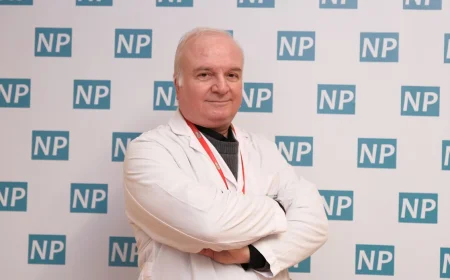
Prof. Dr. Barış Metin, a Neurology Specialist at Üsküdar University NPİSTANBUL Hospital, warns that waking up without feeling rested is not merely a sign of a busy schedule but could be a primary symptom of serious sleep disorders that significantly increase the risk of heart attacks and strokes.
According to Dr. Metin, sleep is a vital biological function, and its disruption can impair essential life functions such as attention, concentration, and emotional regulation. He emphasizes that the diagnosis of sleep disorders must rely on both a detailed questioning of patient complaints and objective clinical tests to prevent life-threatening cardiovascular complications.
The Gold Standard in Diagnosis: Polysomnography (PSG)
For individuals suspected of having obstructive sleep apnea or other complex sleep-related issues, the definitive diagnostic tool is Polysomnography (PSG). This comprehensive test monitors the body's various physiological functions simultaneously throughout the night. Dr. Metin explained the importance of this multi-channel monitoring:
"Polysomnography is the gold standard for diagnosing sleep apnea. By monitoring brain waves (EEG), respiratory flow, oxygen saturation, muscle activity (EMG), eye movements (EOG), and heart rhythm (ECG) concurrently, we can accurately determine the Apnea-Hypopnea Index—the number of times breathing stops or slows down per hour. This allows us to classify the severity of the disease and tailor the treatment accordingly."
Differentiating Narcolepsy and Epilepsy During Sleep
The diagnostic process often extends beyond simple breathing issues. When patients suffer from excessive daytime sleepiness, clinicians look for signs of narcolepsy. In such cases, the Multiple Sleep Latency Test (MSLT) is conducted the day following a PSG study.


"Narcoleptic individuals often enter the REM stage unnaturally fast," Dr. Metin noted. "During an MSLT, we measure how quickly a person falls asleep during repeated daytime nap opportunities. Entering sleep directly via the REM stage, known as SOREM, is a critical finding for a narcolepsy diagnosis." Additionally, if a patient exhibits abnormal nocturnal movements suspected to be seizure-related, a full-night video-EEG is utilized. This allows neurologists to record the patient’s physical movements and brain activity simultaneously to determine if the behavior is epileptic.
Technology Behind the Sleep Laboratory
A modern sleep laboratory utilizes a wide array of sensors to provide a comprehensive map of a patient's sleep health. Dr. Metin detailed the specific functions of the equipment used during a PSG study:
-
EEG (Electroencephalography): Monitors brain activity to identify sleep stages, nighttime awakenings, and potential epileptic activity.


-
EMG (Electromyography): Records muscle activity to detect abnormal contractions or movements, such as those found in restless legs syndrome.
-
Respiratory and Snoring Sensors: Tracks airflow and records the frequency and intensity of snoring.
-
Chest and Abdominal Sensors: Measures respiratory effort to determine if breathing pauses are central or obstructive.
-
ECG and Pulse Oximetry: Continuously monitors heart rhythm and oxygen levels to assess how respiratory pauses affect the cardiovascular system.
-
CPAP/BPAP Titration: For patients requiring respiratory support, these devices help determine the exact pressure needed to keep the airways open during sleep.
The Silent Danger of Untreated Sleep Apnea
Prof. Dr. Barış Metin warns that sleep apnea is often a "silent" disease that can lead to catastrophic health events if ignored. "If you experience severe snoring or if your partner notices that your breathing stops during the night, you must consult a sleep specialist immediately," he urged.
Beyond damaging daily productivity and academic or social success, untreated sleep apnea places a massive strain on the heart and brain. The resulting drops in oxygen levels and spikes in blood pressure significantly heighten the probability of experiencing a heart attack or a stroke. Dr. Metin concluded by stating that quality sleep is a necessity for a healthy life, and any sign of persistent morning fatigue should be treated as a medical priority.
What's Your Reaction?
 Like
0
Like
0
 Dislike
0
Dislike
0
 Love
0
Love
0
 Funny
0
Funny
0
 Wow
0
Wow
0
 Sad
0
Sad
0
 Angry
0
Angry
0

Editor | Wise News Press — Delivering accurate, timely global news with integrity, insight, and editorial responsibility.


















Comments (0)