



Baby blues or postpartum depression? Duration helps tell the difference
Postpartum blues often resolves quickly, but symptoms lasting more than two weeks and affecting daily life may require psychiatric support.


By Ahmet Taş | Wise News Press
ANKARA, TÜRKİYE — Rapid emotional changes after childbirth may point to short-term baby blues, but symptoms that last longer and disrupt daily life should be assessed for postpartum depression.
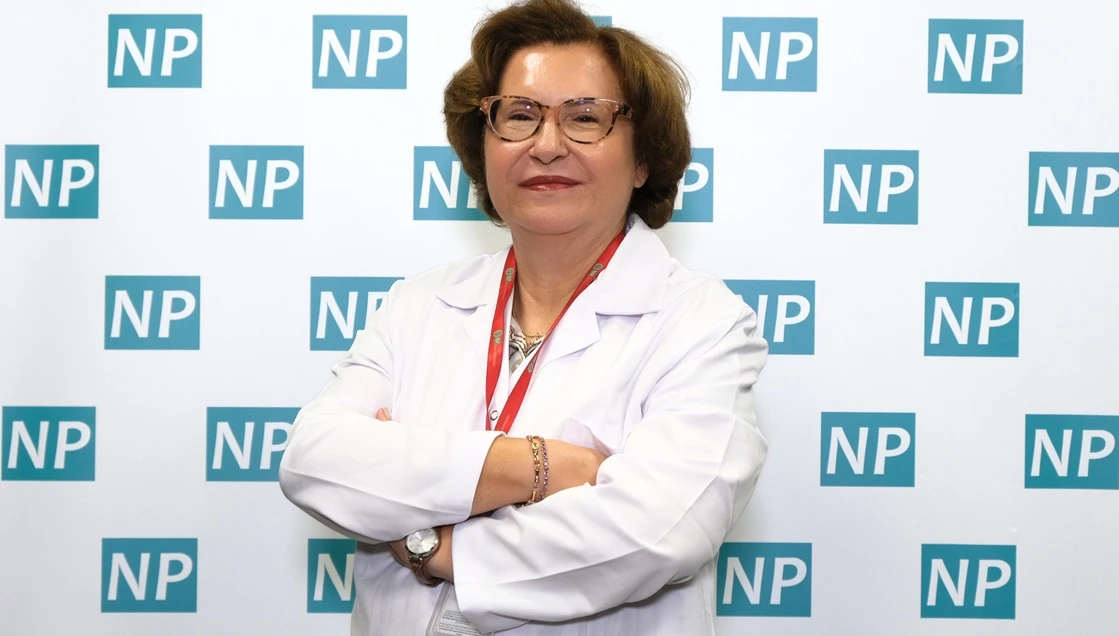
Prof. Dr. Engin Emrem Beştepe, psychiatrist at Üsküdar University NPİSTANBUL Hospital, said women may experience fast psychological changes after giving birth and that these changes are shaped not only by hormones but also by social and psychological factors.
Several factors shape postpartum mood
According to Beştepe, one of the main reasons for rapid psychological changes after childbirth is the sudden hormonal shift that occurs after delivery.
He said hormones such as progesterone and estrogen drop sharply, while hormones such as prolactin and oxytocin become more prominent. Beştepe described this period as a “hormonal confusion.”
However, he stressed that hormones alone do not explain the entire emotional picture. Social environment, family support, self-esteem, confidence, the mother’s approach to the baby and concerns about whether she can care for the newborn may directly affect postpartum psychology.


Baby blues is short-lived
Sudden emotional changes can be seen in many women after childbirth. Beştepe said this condition is not simply described as “normal,” but rather points to what is known as postpartum blues or baby blues.
He noted that this picture is seen in a high proportion of women, around 80 percent, during the first five days after birth. During this period, emotions may change quickly; a mother may cry suddenly and then laugh shortly afterward.
Restlessness, crying, anxiety and emotional sensitivity may also appear. The key point, however, is that these symptoms are usually brief.


Concerns about the baby may increase emotional distress
Although childbirth is often seen as a joyful event, it may also bring intense worry for the mother.
Questions such as “Did the birth go well?”, “Is my baby healthy?”, “Will I be able to care for the baby?” and “Will I be able to form a good bond with my baby?” may occupy the mother’s mind.
Beştepe said these worries may contribute to emotional instability in the early postpartum period. In baby blues, however, the symptoms usually last three to five days and then resolve on their own.
Symptoms lasting more than two weeks need attention
Postpartum depression is different from baby blues because it lasts longer, is more severe and affects daily functioning.
Beştepe said prolonged crying, restlessness, inner distress, anxiety attacks and fear of being unable to care for the baby should be taken seriously if they persist.
If symptoms last longer than two weeks and negatively affect the person’s functionality, the condition may be considered depression, he said.
At this point, the issue is not only sadness. Difficulty caring for the baby, inability to maintain daily routines, intense anxiety and worsening emotional distress are also important warning signs.
Postpartum depression is a serious condition
Beştepe said postpartum depression is not defined as a completely separate diagnosis, but is considered within the framework of major depression.
He noted that the classic definition focuses on the first four weeks after birth. However, he added that the shared clinical view of obstetrics and psychiatry clinics is that the condition may extend up to six months.
For this reason, emotional distress during the first six months after birth should be evaluated carefully. If symptoms worsen, become persistent or impair daily life, professional help should not be delayed.
Duration and severity are the main difference
The main difference between baby blues and postpartum depression is the duration and severity of symptoms.
Baby blues is short-term, seen in many women and can often be overcome with strong social support and family help. Postpartum depression, on the other hand, is more severe, lasts longer and can significantly affect the mother’s daily life.
Beştepe emphasized that postpartum depression is a serious clinical condition, requires medical intervention and should be treated by a psychiatrist.
WiseNewsPress.com
What's Your Reaction?
 Like
0
Like
0
 Dislike
0
Dislike
0
 Love
0
Love
0
 Funny
0
Funny
0
 Wow
0
Wow
0
 Sad
0
Sad
0
 Angry
0
Angry
0

Ahmet Taş is a journalist, editor and Turkey Office Manager of the Wise News Press Media Group. He works across news, digital media and international publishing, focusing on accurate, responsible and accessible journalism. He contributes to the development of media projects that bring important political, social and global developments to a wider international audience.






















Comments (0)