



Pancreatic cancer survival exceeds 50%: Era of robotic surgery and smart treatments
Prof. Dr. Mert Erkan reveals that new generation treatments have boosted pancreatic cancer survival rates from 15% to over 50%, thanks to neoadjuvant therapies and robotic surgery.



WISE NEWS PRESS / ISTANBUL, TURKEY — DEC. 12, 2025
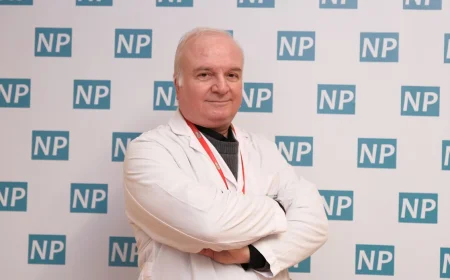
Prof. Dr. Mert Erkan, a faculty member of the General Surgery Department at Acıbadem University School of Medicine, has announced that survival rates for pancreatic cancer—often termed the "silent killer"—have risen significantly from 15% to over 50%, driven by cutting-edge surgical techniques and smart drug therapies.
Affecting over 500,000 people globally each year, pancreatic cancer is notoriously difficult to detect in its early stages. However, the integration of neoadjuvant therapies (treatment before surgery) and robotic surgery is revolutionizing the management of this disease, offering new hope to patients with advanced-stage tumors.
The "Insidious" progression and risk factors
"Symptoms such as back and abdominal pain, weight loss, jaundice, digestive issues, and sudden-onset diabetes generally emerge in later stages," Dr. Erkan noted. He also highlighted genetic risks: "While most common between ages 60-65, the disease can strike earlier in those with a genetic predisposition. Individuals with a family history of young-onset pancreatic cancer should be included in special screening programs."
Game-changing treatments: Neoadjuvant therapy
The standard approach to pancreatic cancer has shifted from immediate surgery to a multidisciplinary protocol involving medical oncology, radiation oncology, and surgery.
Prof. Dr. Erkan highlighted the success of "neoadjuvant treatment," which involves administering chemotherapy and radiotherapy before surgery:


"Many patients who were previously considered inoperable are now becoming eligible for surgery. Through these combinations, we can shrink tumors and then completely remove them surgically. As a result, the 5-year survival rate has climbed from 15% to over 50%."
The Whipple procedure and robotic precision
When tumors are located in the head of the pancreas, the "Whipple procedure" is the most effective surgical option. This complex operation involves removing the head of the pancreas, the duodenum, and the bile duct.
"Robotic and laparoscopic techniques are increasingly used in these surgeries," Dr. Erkan stated. "These high-tech methods reduce complication rates and significantly shorten recovery times, allowing patients to return to normal nutrition within 7–10 days."


Life without a pancreas
Addressing concerns about total pancreatectomy (removal of the entire pancreas), Prof. Dr. Erkan reassured that life continues with proper management.
"If the entire pancreas is removed, patients take insulin and digestive enzyme supplements for life. By taking enzyme tablets with meals and managing insulin, metabolic balance is preserved," he explained. "Pancreatic cancer diagnosis is no longer an end. With the right intervention at the right center, life expectancy is significantly extended."
What's Your Reaction?
 Like
0
Like
0
 Dislike
0
Dislike
0
 Love
0
Love
0
 Funny
0
Funny
0
 Wow
0
Wow
0
 Sad
0
Sad
0
 Angry
0
Angry
0

Editor | Wise News Press — Delivering accurate, timely global news with integrity, insight, and editorial responsibility.





















Comments (0)