



Prophet Daniel’s tomb in Tarsus becomes hub for faith tourism
The Makam-i Danyal Mosque in Mersin attracts visitors with its archaeological depth and the legendary tomb of Prophet Daniel, bridging ancient eras.


WISE NEWS PRESS / MERSIN, TURKEY — DEC. 6, 2025
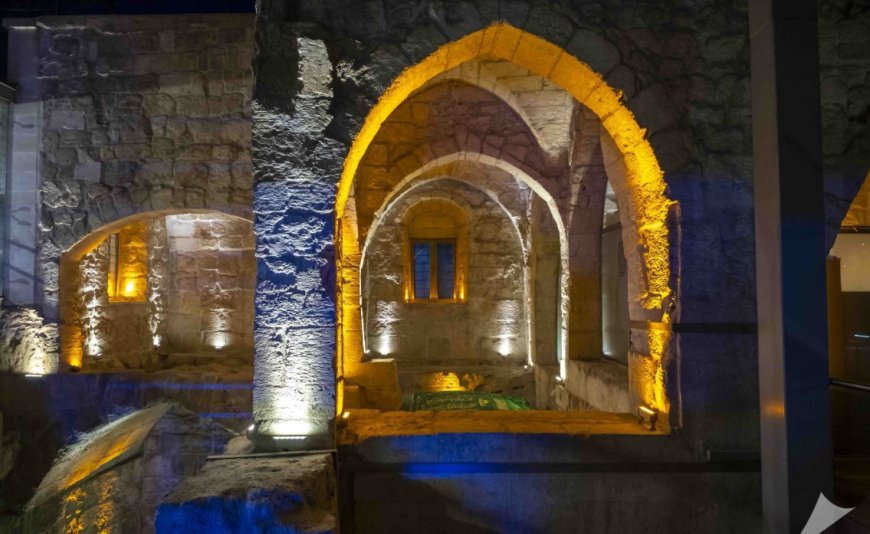
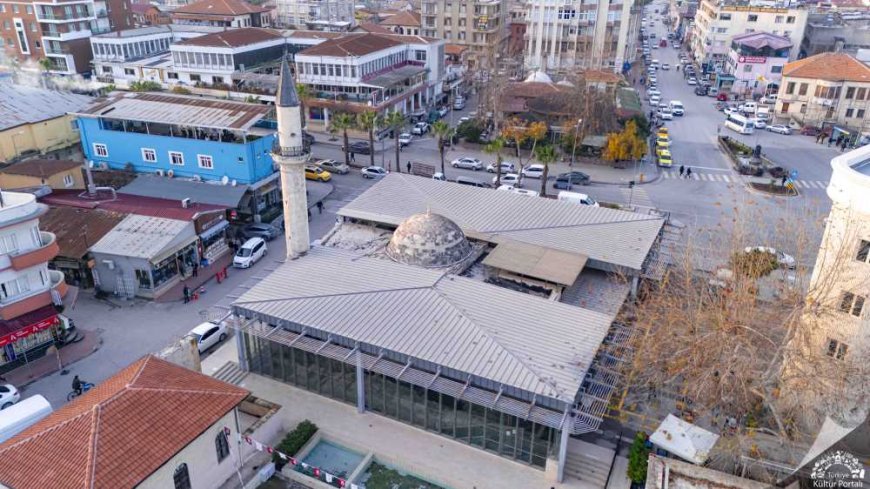
The Makam-i Danyal Mosque, located in the Tarsus district of Mersin and opened to visitors after renovations in 2014, has become a significant center for faith tourism, hosting the Tomb of Prophet Daniel and Roman-era ruins.
Built in 1857 over a symbolic tomb, the mosque revealed its historical depth following rescue excavations initiated in 2006. The structure, believed to house the grave of Prophet Daniel—a figure revered by Muslims, Christians, and Jews alike—reflects the multi-layered history of Tarsus.
Archaeological breakthrough
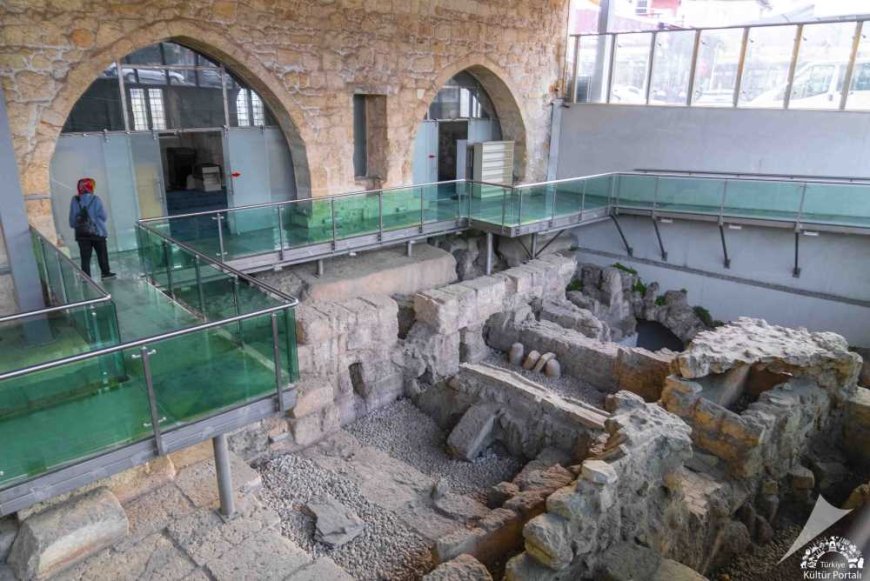
Rescue excavations conducted by the Tarsus Museum between 2006 and 2007 uncovered the historical heritage lying beneath the mosque. Excavations, which began after an arched structure was discovered during construction work for an ablution area, revealed a bridge dating back to the Roman period.
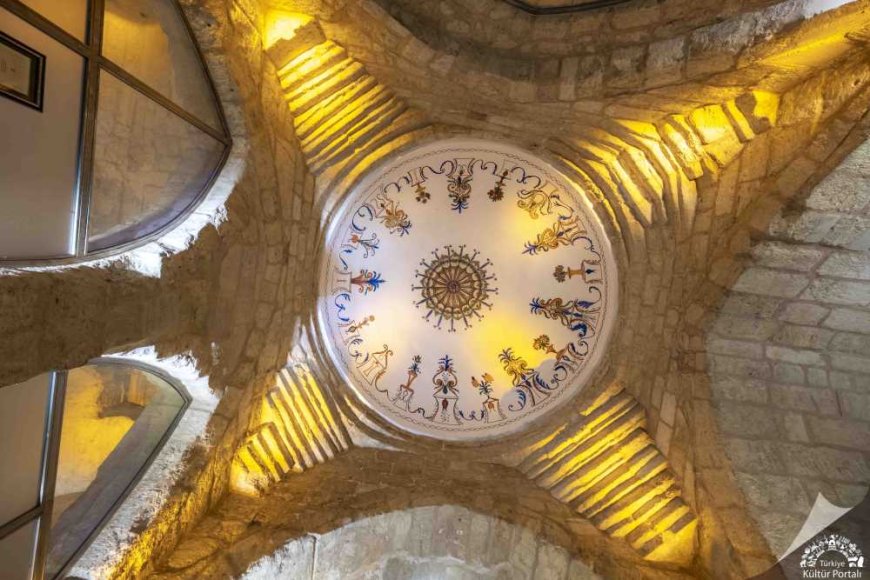
Experts identified a rectangular tomb structure from the 7th century north of the bridge and a monastery-vaulted dome dating to the 13th century. A relief of a seven-pointed star on a block stone on the eastern façade of the tomb stands out as a notable detail of the structure.
Legend from Babylon to Tarsus
The life of Prophet Daniel has reached the present day largely through oral traditions rather than written sources. According to legend, Daniel lived during the reign of Babylonian King Nebuchadnezzar II (605–562 BC). As an infant, he was left in a cave to escape a death decree and was raised by lions.


In later years, Prophet Daniel, who saved the Jews from Babylonian captivity through his knowledge and prophecies, was invited to Tarsus by the King of Cilicia during a famine. It is stated that his arrival brought abundance to the city, and he lived in Tarsus until his death instead of returning to Babylon.
The ring and the river
The site’s significance in Islamic history dates back to the conquests during the caliphate of Umar. During the reconstruction of Tarsus following its conquest, a sarcophagus was found containing a body wearing a ring depicting a child between two lions.


*
*
Officials of the time concluded that this depiction symbolized the life story of Prophet Daniel. To ensure the safety of the remains, the grave was reportedly buried deeper, and the course of the Berdan (Kydnos) River was diverted to flow over it for protection. Today, the restored site offers visitors the opportunity to experience this historical atmosphere.
What's Your Reaction?
 Like
0
Like
0
 Dislike
0
Dislike
0
 Love
0
Love
0
 Funny
0
Funny
0
 Wow
0
Wow
0
 Sad
0
Sad
0
 Angry
0
Angry
0

Editor | Wise News Press — Delivering accurate, timely global news with integrity, insight, and editorial responsibility.



















Comments (0)