



Turkiye commemorates 111th anniversary of Canakkale victory
Turkiye marks the 111th anniversary of the historic March 18 Canakkale Naval Victory, remembering the profound sacrifices of soldiers who altered the course of World War I.


By Yusuf İnan | Wise News Press
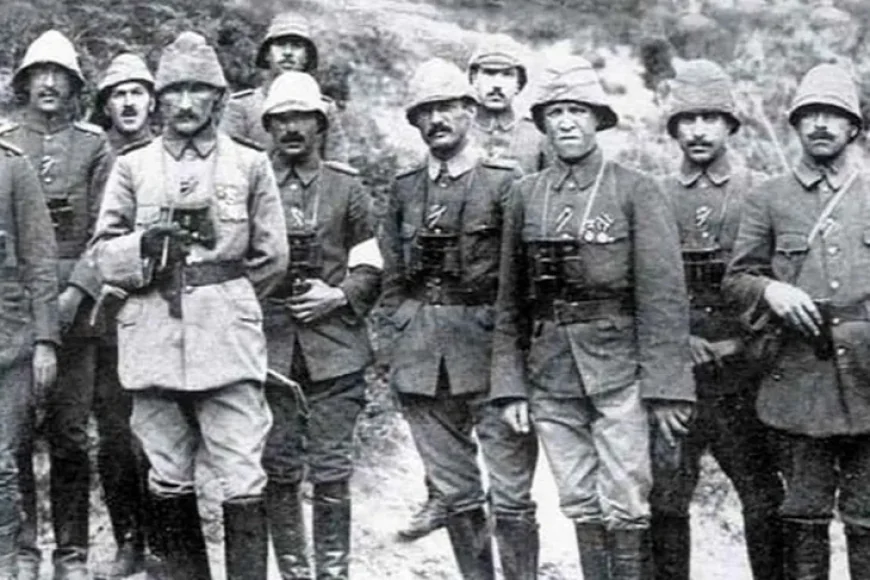
CANAKKALE, TURKIYE — Turkiye is solemnly marking the 111th anniversary of the Canakkale Naval Victory and March 18 Martyrs’ Remembrance Day, an epochal moment when the relentless courage and unyielding resolve of the Turkish armed forces fundamentally altered the trajectory of World War I.
The historic resistance in the Canakkale Strait, universally known as the Gallipoli Campaign in Western historiography, stands as a monument to the ultimate sacrifice made by hundreds of thousands of soldiers defending their homeland against overwhelming imperial forces. This defining triumph not only thwarted the strategic ambitions of the Allied powers but also forged an indestructible sense of national unity, laying the essential psychological and spiritual groundwork for the subsequent Turkish War of Independence.
The heavy toll of a global conflict
The Canakkale defense represents one of the most critical and fiercely contested chapters of World War I, a global conflict that began on July 28, 1914. For the Ottoman Empire, the battles fought on this narrow peninsula carried an unprecedented human cost. According to historical records compiled by historians, the defense drew in people from all walks of life, including fathers, young sons, high school students, and the nation's intellectual elite, leaving practically no household untouched by grief and loss.
The scale of the confrontation was monumental. Approximately 300,000 Turkish soldiers participated in the grueling defense of the region. The conflict claimed the lives of nearly 55,000 Turkish soldiers, with another 100,000 suffering severe wounds. On the opposing side, the Allied forces deployed a massive armada and an army of roughly 550,000 troops. Despite their overwhelming material superiority, the Allied powers suffered a catastrophic defeat, recording approximately 150,000 casualties, including the dead, wounded, and missing, in the unforgiving terrain and perilous waters of the strait.
The naval assault of March 18
The strategic objective of the Allied forces—primarily the British and French empires—was straightforward yet highly ambitious: to force their way through the Canakkale Strait, capture the Ottoman capital of Istanbul, knock the empire out of the war, and secure a vital maritime supply route to their ally, the Russian Empire.


On the morning of March 18, 1915, the supposedly invincible Allied naval fleet launched a massive bombardment against the coastal artillery batteries protecting the strait. However, they were met with a fiercely coordinated and surprisingly resilient Turkish defense. The intense, accurate fire from the fortifications on both shores of the Canakkale Strait, combined with a deadly and unexpected minefield strategically laid in the Dark Harbor (Karanlik Liman), devastated the advancing armada.
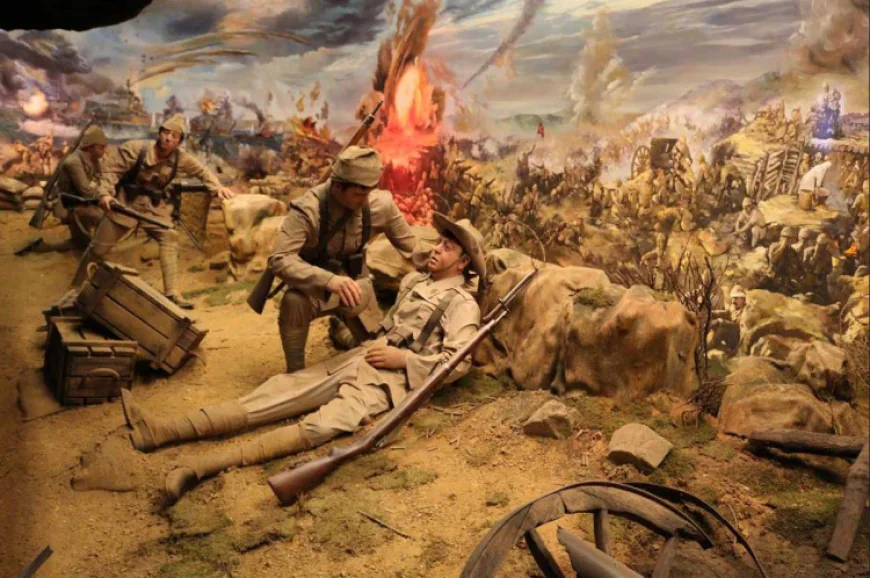
The Allied fleet lost 35 percent of its operational strength in a single day. Major warships, including the French battleship Bouvet and the British battleships Ocean and Irresistible, struck mines and sank into the depths. Several other vital vessels, such as the Gaulois and Inflexible, sustained crippling damage and were forced to withdraw. This brilliant defensive operation was masterminded by Cevat Pasha, the Commander of the Canakkale Fortified Area, who rightfully earned the title of the "Hero of March 18."


Unforgettable heroes of the strait
The spectacular naval victory was punctuated by acts of extraordinary individual heroism that have since become legendary in global military history. Among the most iconic figures is Corporal Seyit (Seyit Onbasi). Stationed at the Mecidiye Fort, his battery’s crane was destroyed during the heavy bombardment. Displaying superhuman strength fueled by sheer desperation and patriotism, Seyit Onbasi manually lifted a 215-okka (approximately 275 kilograms) artillery shell, loaded it into the breech, and fired a critical shot that severely damaged the British battleship Ocean, contributing to its eventual sinking.
Equally decisive was the tactical genius of Captain Hakki Bey, the commander of the minelayer Nusret. Under the cover of darkness and immense risk, Captain Hakki Bey directed his crew to lay twenty-six naval mines parallel to the Anatolian shore in Erenkoy Bay, suspended just four and a half meters below the water's surface. This unconventional placement completely paralyzed the maneuvering capabilities of the Allied fleet and effectively sealed their fate during the March 18 offensive.
The transition to land battles and Ataturk's rise
Realizing that the strait could not be breached by naval power alone, the Allies launched a massive amphibious invasion on the Gallipoli Peninsula on April 25, 1915, initiating months of brutal trench warfare. To counter this existential threat, the Ottoman 5th Army was rapidly formed on March 24, 1915, under the command of Marshal Liman von Sanders.
It was during this harrowing land campaign that Staff Lieutenant Colonel Mustafa Kemal emerged as a brilliant military tactician and a charismatic leader. Appointed as the Commander of the 19th Division, his foresight allowed him to anticipate the exact locations of the Allied landings. His extraordinary leadership on the front lines led to his promotion to Colonel on June 1, 1915, and subsequently his appointment as the Commander of the Anafartalar Group on August 9, 1915.
Commanding three army corps until December 10, 1915, Mustafa Kemal halted the enemy's advance repeatedly. His legendary order to the decimated 57th Regiment at Conkbayiri epitomized the spirit of the defense: "I do not order you to attack; I order you to die! In the time that passes until we die, other troops and commanders can take our place." This absolute commitment to the cause secured the final victory on the peninsula and etched his name in the annals of history.
The spark of the War of Independence
The triumph at Canakkale transcended a mere military victory; it became a symbol of anti-imperialist resistance worldwide. It proved to the Turkish nation and to colonized populations globally that the dominant empires of the era were not invincible.
Although the Ottoman Empire ultimately found itself on the losing side of World War I following four years of conflict, resulting in the temporary occupation of Istanbul and the straits by the victorious powers, the spirit ignited at Canakkale refused to be extinguished. The military expertise, national solidarity, and unyielding desire for sovereignty fostered in the trenches of Gallipoli provided the crucial foundation for the Turkish War of Independence, which began on May 19, 1919. Under the leadership of Mustafa Kemal Ataturk, the nation fought a grueling but ultimately successful war, ensuring that the occupying forces "left as they came" and paving the way for the establishment of the modern Republic of Turkiye.
A universal message of peace and reconciliation
In the aftermath of the devastating conflict, Mustafa Kemal Ataturk, the founder and first President of the Republic of Turkiye, demonstrated that he was not only a military genius but also a profound statesman dedicated to global peace. While honoring the Turkish martyrs, he extended a hand of unprecedented compassion to the families of the foreign soldiers who had invaded his country.
Ataturk’s historic message, delivered to the mothers of the fallen Anzac and Allied troops, remains one of the most poignant testaments to human reconciliation in modern history. Providing solace to grieving families across the globe, Ataturk declared:
"Those heroes that shed their blood and lost their lives... You are now lying in the soil of a friendly country. Therefore, rest in peace. There is no difference between the Johnnies and the Mehmets to us where they lie side by side here in this country of ours... You, the mothers who sent their sons from faraway countries, wipe away your tears; your sons are now lying in our bosom and are in peace. After having lost their lives on this land, they have become our sons as well."
What's Your Reaction?
 Like
0
Like
0
 Dislike
0
Dislike
0
 Love
0
Love
0
 Funny
0
Funny
0
 Wow
0
Wow
0
 Sad
0
Sad
0
 Angry
0
Angry
0

Editor | Wise News Press — Delivering accurate, timely global news with integrity, insight, and editorial responsibility.

















Comments (0)