



Ukraine awaits Hegseth's approval for Patriot and NASAMS missiles
Zelenskyy says Ukraine has waited nearly a month for U.S. approval of Patriot and NASAMS missiles and has asked his team to raise the issue with Washington again.


By Ahmet Taş | Wise News Press
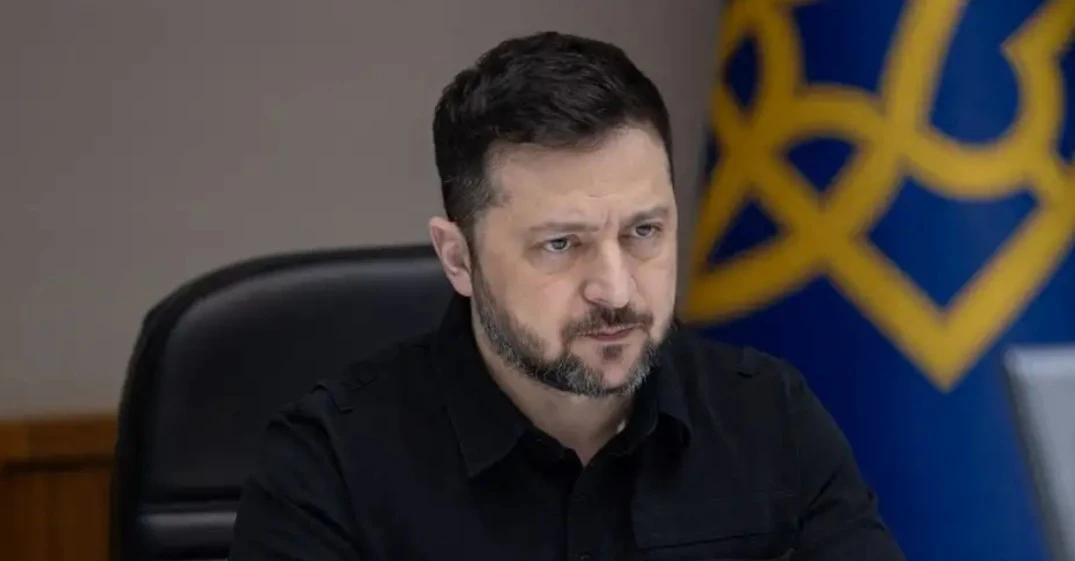
KYIV, UKRAINE — Ukrainian President Volodymyr Zelenskyy said on October 26 that Kyiv had waited nearly a month for U.S. Defense Secretary Pete Hegseth’s approval of missiles for Patriot and NASAMS air defense systems.
Zelenskyy said he had instructed his team to raise the matter with Washington again after a meeting on weapons deliveries and repairs to energy infrastructure damaged by Russian attacks. The delay comes as Ukraine seeks a reliable supply of interceptor missiles ahead of winter.
Zelenskyy calls for another discussion with Washington
According to Zelenskyy, Ukrainian defense and foreign affairs officials reviewed the supply of air defense interceptors during the meeting. He said the approval needed from Hegseth for missiles intended for Patriot and NASAMS systems had been pending for nearly a month.
Zelenskyy said Ukraine was working with the United States, European countries and other partners that hold relevant missile stocks. He directed Ukrainian officials to discuss the outstanding approval with their American counterparts once more.
His statement did not specify how many missiles are covered by the pending decision. It also gave no proposed approval date or delivery schedule. Those details are necessary to establish how much ammunition is affected and when it could become available to Ukrainian air defense units.


Ukraine seeks additional Patriot interceptors
Zelenskyy said Ukraine was also approaching countries with stocks of PAC-2 and PAC-3 missiles used by Patriot systems. Patriot and NASAMS are separate air defense systems; the PAC-2 and PAC-3 stocks he identified relate to Patriot.
In an earlier statement reported by Deutsche Welle, Zelenskyy said the United States was supplying Ukraine with about 12 Patriot interceptors a month, roughly a quarter of the rate he attributed to the previous U.S. administration. That monthly figure is the Ukrainian president’s account of deliveries, rather than a publicly verified shipment record.
Zelenskyy has also said that only part of the supply of already funded interceptors had received U.S. approval. The number of missiles still awaiting authorization has not been disclosed in the statements reported so far.


How the PURL purchasing mechanism works
Some of the disputed supplies are associated with the Prioritised Ukraine Requirements List, known as PURL. Under the mechanism described by NATO, allies and partners fund the purchase of U.S. defense equipment identified as a priority for Ukraine. NATO helps coordinate the packages and their delivery.
Air defense ammunition is among the equipment the mechanism is designed to provide. Funding a package, however, is a different step from authorizing its release and completing its shipment. Zelenskyy’s complaint concerns the time taken to move missiles that he says have been paid for through the remaining stages of that process.
The available statements do not establish whether every missile mentioned in Zelenskyy’s October 26 remarks belongs to the same PURL package. They also do not identify the precise administrative step holding up each delivery. Kyiv’s immediate request is for Washington to resolve the outstanding approval.
Rubio rejects a political motive for delays
U.S. Secretary of State Marco Rubio acknowledged on October 20 that a batch of interceptors purchased for Ukraine under PURL might not have been delivered. Speaking to journalists, he rejected the suggestion that a deliberate political decision had been made to withhold assistance from Ukraine, according to Reuters.
The two governments’ public statements therefore leave an important question unresolved. Kyiv says it is waiting for authorization and delivery of missiles it needs; Washington has denied that delays reflect an intention to deny Ukraine aid. Neither statement provides a firm date for the pending shipment.
The distinction matters for assessing the immediate effect on Ukraine’s defenses. An approval would settle one part of the process, while the missiles would still need to reach the units that use them. No timetable for those steps was announced in Zelenskyy’s latest remarks.
Energy repairs and the next Ramstein meeting
The October 26 meeting also covered repairs to Ukraine’s energy infrastructure after Russian strikes. Air defense supplies are closely connected to that work: interceptors are among the resources Ukraine uses to protect cities and critical facilities from further attacks.
Zelenskyy said officials discussed preparations for the next meeting of the Ukraine Defense Contact Group, often called the Ramstein format, expected in November. He urged partners to speed up support decisions that have remained pending, saying each package could help protect lives.
Ukraine says it will continue seeking missiles from the United States and other partners. The next measurable development will be confirmation of the U.S. approval, followed by a disclosed delivery schedule for the affected interceptors.
WiseNewsPress.com
What's Your Reaction?
 Like
0
 Dislike
0
 Love
0
 Funny
0
 Wow
0
 Sad
0
 Angry
0

Ahmet Taş is a journalist, editor and Turkey Office Manager of the Wise News Press Media Group. He works across news, digital media and international publishing, focusing on accurate, responsible and accessible journalism. He contributes to the development of media projects that bring important political, social and global developments to a wider international audience.




















Comments (0)