



Analysis: What forces can actually halt Putin’s war in Ukraine?
As Putin capitalizes on battlefield gains and shifting US policies, experts analyze if European intervention, economic exhaustion, or China can force a peace deal.
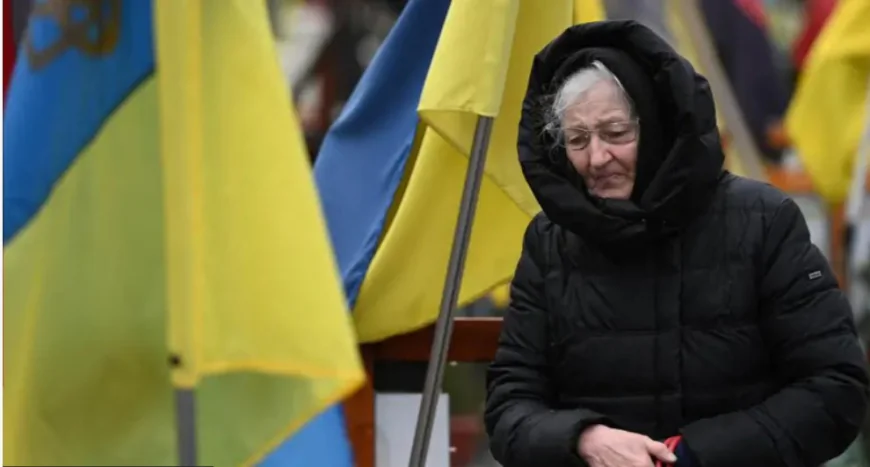


WISE NEWS PRESS / LONDON, UK — DEC. 16, 2025
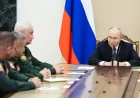
Despite being viewed by many as a ruthless autocrat, Russian President Vladimir Putin is currently displaying visible confidence, believing that the winds of diplomacy and battlefield gains are blowing in his favor. With the geopolitical landscape shifting, observers are questioning if any external force—be it the U.S., Europe, or China—can compel the Kremlin to retreat from its maximalist demands, which include the complete demilitarization of Ukraine and the surrender of occupied territories.
The current stalemate presents a complex scenario where Western unity is tested against Russia's war economy and political will.
The Trump factor and US strategy
A primary variable in the conflict's trajectory is the stance of the United States. President Donald Trump has hinted that he might wash his hands of the war, suggesting that sometimes people must be allowed to fight among themselves. There are concerns that the Trump administration could cut off critical intelligence flows to Ukraine, which are vital for detecting incoming Russian drones and targeting energy facilities.
Furthermore, the new national security strategy from Washington implies that Russia is no longer viewed as an "existential threat," urging a restoration of "strategic stability" with Moscow.
Europe's dilemma: Ceasefire or escalation?
With U.S. support in question, the burden falls heavily on Europe. While some European officials are preparing for a ceasefire and the deployment of an international military force to prevent future invasions, others argue the continent must prepare for a 15-to-20-year conflict.


Proposals to expand the "European Sky Shield" initiative to cover western Ukraine or deploy European troops for border patrols are being debated. Keir Giles, a senior consultant at Chatham House, argues that fears of provoking Russia are unfounded and that a robust Western military presence is the only thing that will indisputably stop Russian aggression.
Sanctions and the shadow fleet
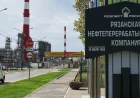
Economically, Russia is hurting but surviving. Inflation has hit 8%, interest rates are at 16%, and the war economy has largely reached its limits. However, these factors have not yet altered the Kremlin's calculus, largely because businesses evade restrictions through methods like shipping oil via an unregistered "shadow fleet".
Experts like Tom Keatinge from the Royal United Services Institute (RUSI) argue that the West needs to stop trying to be "cute" with sanctions and instead implement a full embargo on Russian oil, strictly enforcing secondary sanctions on buyers.


The China wild card
Ultimately, the "joker card" in this geopolitical deck is China. President Xi Jinping is considered one of the few world leaders Putin actually listens to. Russia's war machine is heavily dependent on Chinese dual-use goods, meaning Beijing holds significant leverage.
While China currently seems content with the U.S. being distracted, a shift in Beijing's thinking—triggered perhaps by secondary sanctions or global market disruptions—could apply the necessary pressure on the Kremlin. For now, however, Putin is gambling that he can sustain the conflict long enough for conditions to turn permanently in his favor.
What's Your Reaction?
 Like
0
Like
0
 Dislike
0
Dislike
0
 Love
0
Love
0
 Funny
0
Funny
0
 Wow
0
Wow
0
 Sad
0
Sad
0
 Angry
0
Angry
0

Editor | Wise News Press — Delivering accurate, timely global news with integrity, insight, and editorial responsibility.














Comments (0)