



Zelenskyy: A European visit to Moscow would be a grave diplomatic mistake
Zelenskyy said European leaders would reject Putin’s Moscow invitation and proposed neutral territory for talks on ending Russia’s war against Ukraine.


By Ahmet Taş | Wise News Press
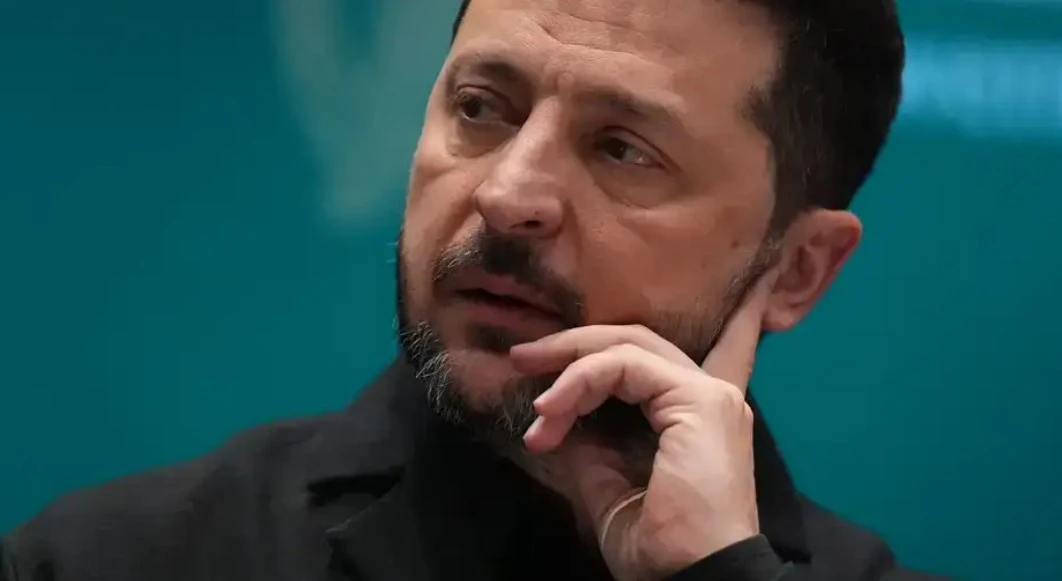
BERLIN, GERMANY — Ukrainian President Volodymyr Zelenskyy said European leaders and officials should not accept Vladimir Putin’s invitation to Moscow, arguing that any future negotiations should instead take place on neutral territory.
His remarks came as European governments considered how they could participate in possible talks aimed at ending Russia’s war against Ukraine. Moscow has called for direct discussions with European representatives, while Kyiv maintains that the venue, participants and negotiating format must reflect diplomatic equality.
European leaders unlikely to accept Moscow invitation
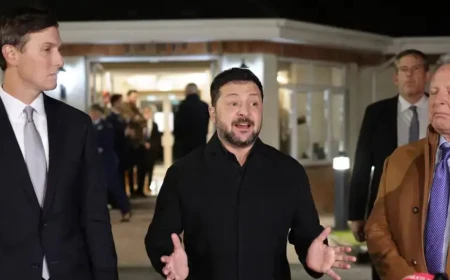
Speaking in Berlin on November 19, 2026, following a meeting of the Coalition of the Willing, Zelenskyy said he was convinced that European leaders would not travel to Moscow at Putin’s invitation.
The Ukrainian president also opposed sending lower-level European representatives or national security officials to the Russian capital. In his view, accepting a meeting organised in Moscow under conditions determined by the Kremlin could weaken Europe’s position before formal negotiations had begun.
Zelenskyy described such a visit as a mistake and said Ukraine would discuss the matter with its European partners. His comments indicated that Kyiv does not oppose dialogue between Europe and Russia in principle, but objects to a format that could place Moscow in a politically advantageous position.
The distinction between European leaders and other officials is important. Zelenskyy appeared certain that heads of government would reject the invitation, while warning that sending advisers or diplomatic representatives could still carry political consequences.
Zelenskyy proposes a neutral venue
The Ukrainian president said a meeting on neutral territory would provide a more appropriate setting for possible discussions between Russia and European representatives.
According to Zelenskyy, choosing a neutral country would demonstrate that all participants were approaching the talks with a genuine willingness to negotiate. It would also prevent one party from gaining the symbolic and practical advantages associated with hosting the meeting.
He argued that the location of diplomatic talks sends a message about the intentions of those involved. When one side tells the others to travel to its capital, he said, the invitation may not signal a balanced effort to reach an agreement.
Kyiv’s position is that the venue, agenda and composition of future negotiations should be agreed upon collectively. Ukraine also wants European governments to have a direct role in any discussions that could reshape the continent’s security arrangements.
No specific neutral city or country has been officially proposed. The suggestion nevertheless introduces an alternative that European governments could consider before responding to Moscow’s invitation.
Putin seeks clarity on Europe’s position
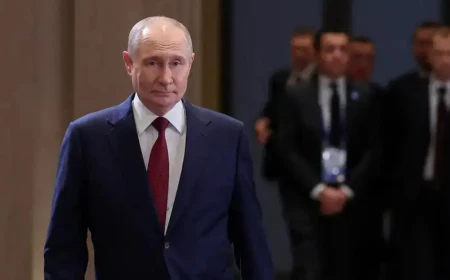
Russian President Vladimir Putin said Moscow had invited European Union representatives in order to understand their position on negotiations concerning Ukraine.
Putin said the proposal had been communicated through diplomatic channels. Russia, he added, wanted to hear what European countries expected from a possible settlement before deciding how further discussions should be structured.
The Kremlin’s position is that Europe’s security concerns and its continuing support for Ukraine make European participation relevant to the process. At the same time, Moscow has raised objections to possible military cooperation between Ukraine and European countries.
Putin said Russia would pay particular attention to the forms of assistance Europe might offer Ukraine. The possible deployment of foreign forces, future security guarantees and Ukraine’s military relationship with European countries are expected to remain among the most difficult issues in any negotiations.
Moscow has not announced a date for the proposed meeting. It has also not clarified which European institutions or national governments would be invited to send representatives.
E3 countries consider possible contact with Russia
Representatives of the E3 group — France, Germany and the United Kingdom — have reportedly discussed the possibility of meeting Russian officials.
People familiar with the discussions told Bloomberg that a potential meeting was being considered, but no final decision had been reached. The level of representation, the location and the proposed agenda remain unclear.
The three countries play influential roles in European foreign and security policy. Any meeting involving E3 officials could therefore affect the wider European response to Moscow’s invitation.
However, questions remain over whether the E3 countries could represent a broader European position or would speak only on behalf of their national governments. The possible participation of European Union institutions and NATO representatives would also need to be addressed.
Zelenskyy’s comments suggest that Kyiv would be concerned if such a meeting took place in Moscow without previously agreed conditions. Ukraine instead wants European governments to coordinate their approach and avoid creating separate negotiating channels that could weaken a common position.
Europe seeks a direct role in peace negotiations
The question of European representation has become increasingly important as diplomatic efforts concerning the war gather pace.
Ukraine argues that European countries cannot be treated merely as observers because the outcome of the war will directly affect European security, defence planning and economic policy. Kyiv wants Europe to participate in both the negotiations and the implementation of any future agreement.
Zelenskyy has said Europe could be represented through a group consisting of five countries, the European Union and NATO. Such a structure would bring national governments and major European institutions into the same negotiating framework.
German Chancellor Friedrich Merz has also maintained that talks cannot succeed without the participation of Ukraine and Europe. Speaking after the Berlin summit, Merz said future negotiations should include Ukraine, Europe, the United States and Russia.
European governments are particularly concerned that decisions affecting the continent’s security architecture could be made without their direct involvement. Issues such as security guarantees for Ukraine, sanctions against Russia and possible territorial arrangements would have long-term consequences across Europe.
The composition of the European delegation therefore remains a sensitive matter. Governments must decide which countries and institutions would participate, who would speak on Europe’s behalf and what common position they would present.
Venue and negotiating format remain unresolved
The competing statements from Kyiv and Moscow indicate that diplomatic contacts could accelerate, but major disagreements remain over where and how negotiations should be conducted.
Russia wants European representatives to travel to Moscow so it can clarify their position before determining the next phase of dialogue. Ukraine argues that accepting the invitation would create an unbalanced format and is pressing for a meeting in a neutral country.
The response of France, Germany and the United Kingdom could help determine Europe’s next step. Their decision may also influence whether the European Union and NATO become formally involved in discussions with Russia.
No confirmed date, venue or final list of participants has been announced. European governments are expected to continue consultations before deciding whether to respond collectively to Moscow or propose an alternative meeting format.
A neutral venue could offer a possible compromise, but the parties would still need to agree on the agenda, representation and political purpose of the meeting. Without consensus on those preliminary issues, preparations for formal peace negotiations may remain difficult.
For Kyiv, the central issue is not whether dialogue should take place, but whether Ukraine and Europe will participate as equal parties. For Moscow, the immediate objective is to establish Europe’s position before agreeing to the structure of further talks.
WiseNewsPress.com
What's Your Reaction?
 Like
0
 Dislike
0
 Love
0
 Funny
0
 Wow
0
 Sad
0
 Angry
0

Ahmet Taş is a journalist, editor and Turkey Office Manager of the Wise News Press Media Group. He works across news, digital media and international publishing, focusing on accurate, responsible and accessible journalism. He contributes to the development of media projects that bring important political, social and global developments to a wider international audience.









Comments (0)