



Digital anesthesia enables fearless pediatric dental treatments
Dr. Buse Yilmaz Sen explains how digital anesthesia reduces pain and needle fear in children, ensuring more comfortable and controlled dental visits.



BY AHMET TAŞ | WISE NEWS PRESS
ISTANBUL, TURKIYE — Dr. Buse Yilmaz Sen from Uskudar University Dental Hospital stated that digital anesthesia significantly reduces injection-related pain and anxiety in pediatric patients, transforming childhood dental experiences into comfortable and fearless clinical visits.
As childhood dental encounters directly shape a person’s lifelong attitude toward oral health, this technological shift addresses the root causes of dental phobia—namely pain perception and needle anxiety—by utilizing computer-controlled micro-processors to deliver local anesthesia with minimal discomfort.
The impact of childhood dental experiences
Early dental experiences are the most critical factors in determining an individual's future relationship with oral hygiene and clinical care. According to Dr. Buse Yilmaz Sen, many adults who suffer from dental phobia trace their fears back to painful injections or traumatic childhood treatments.
"The primary goal of modern pedodontic approaches is to provide a painless and safe environment for children," Dr. Sen explained. By reducing stress during the initial stages of treatment, dentists can ensure that children develop a positive bond with their healthcare providers, which leads to better oral health maintenance in their adult lives.
Limitations of traditional injection methods
In traditional dentistry, the primary source of anxiety is the delivery method of local anesthesia and the manual pressure applied during the injection. Manual injections often involve a sudden burst of pressure that causes a burning sensation or localized pain, which can lead to children resisting treatment or refusing to cooperate during future visits.


Furthermore, traditional methods often cause widespread numbness in the lips, cheeks, and tongue. This long-lasting numbness increases the risk of involuntary lip or cheek biting, leading to edema and tissue trauma. Dr. Sen noted that these complications can be avoided through digital systems that offer more localized and controlled numbing, focusing specifically on the area being treated.
How digital anesthesia reduces pain
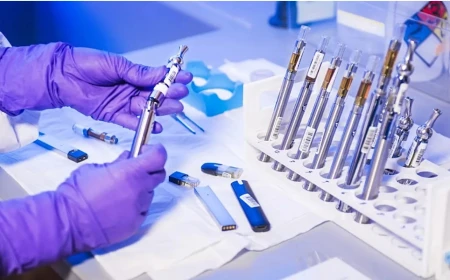
Digital anesthesia systems work through a computer-controlled micro-processor that delivers the anesthetic solution at a pre-programmed, constant speed and pressure. This system automatically adjusts to the tissue resistance of the patient, ensuring that the liquid enters the gums slowly and steadily.
"The computer-supported system mostly eliminates the burning sensation," stated Dr. Sen. She further elaborated that the ergonomic, pen-like design of the device helps remove the psychological fear associated with traditional metal syringes. Dentists often use the "magic pen" metaphor to build trust, telling children that the tooth will simply be "put to sleep" with a magic touch. The device can even play light music during the procedure to further lower anxiety levels.


Ideal candidates for digital solutions
Digital anesthesia is highly effective for a wide range of procedures, including fillings, root canals, and tooth extractions. While suitable for most patients, it offers distinct advantages for specific groups, such as children who have had previous negative dental experiences or those with a severe needle phobia.
It is also a preferred method for individuals with limited cooperation or special needs, as it enhances clinical comfort. Dr. Sen emphasized that because the numbness is often more localized, the risk of post-treatment tissue damage from accidental biting is significantly lower, making the recovery phase much safer for active children.
A holistic approach to dental fear
While digital anesthesia is a breakthrough in comfort, Dr. Buse Yilmaz Sen reminded that technology alone is not a substitute for comprehensive care. The success of any pediatric treatment depends on the clinical experience of the dentist, the individual characteristics of the child, and the supportive attitude of the family.
"Technology makes the process easier, but it is not a replacement for general anesthesia in cases where cooperation is entirely absent," Dr. Sen concluded. She advised parents to avoid using deceptive phrases like "it won't hurt at all." Instead, providing realistic and reassuring explanations, such as "your teeth will feel a slight tickle," helps maintain a foundation of trust between the child and the dental professional.
What's Your Reaction?
 Like
0
Like
0
 Dislike
0
Dislike
0
 Love
0
Love
0
 Funny
0
Funny
0
 Wow
0
Wow
0
 Sad
0
Sad
0
 Angry
0
Angry
0

Editor | Wise News Press — Delivering accurate, timely global news with integrity, insight, and editorial responsibility.



















Comments (0)