



EU Launches 'Democracy Shield' Plan to Guard Elections Against Foreign Interference
The European Commission unveiled the 'Democracy Shield' roadmap to protect elections from foreign interference and deepfake manipulation, specifically targeting Russia's destabilization campaigns across Europe.
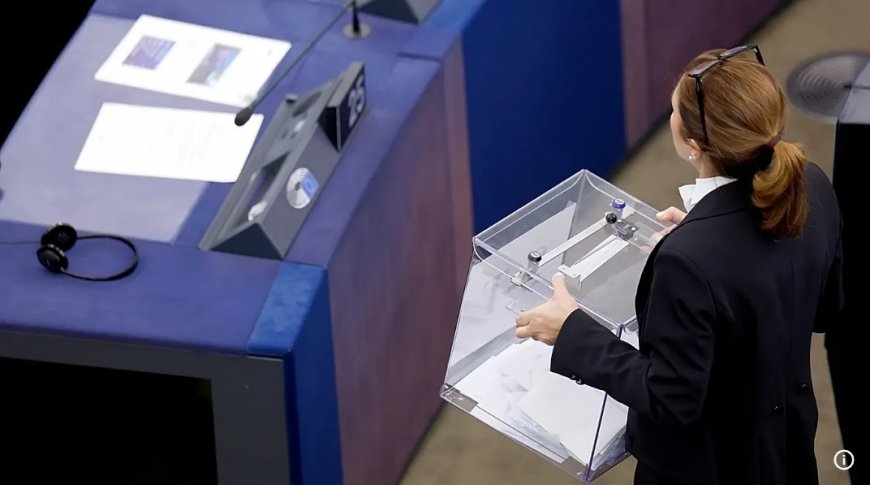


WISE NEWS PRESS / BRUSSELS, BELGIUM — Nov. 12, 2025
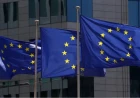
The European Commission today announced a new roadmap dubbed the 'Democracy Shield,' aiming to protect European democracies and electoral processes from foreign interference and information manipulation. The Commission stressed that these threats emanate not only from outside but also from within the European Union itself.
Central to this strategy are Russia and its "state-linked or non-state proxy actors," who have been running online destabilization campaigns across Europe for over a decade. The impact of these campaigns has been amplified by new technologies that allow fabricated information to be spread more convincingly and rapidly.
Precedents of Electoral Interference
Recent elections have clearly demonstrated the potential damage of online disinformation to democracy. Last December, the presidential elections in Romania were canceled by the Constitutional Court following intelligence findings that Russia had attempted to influence the vote. Similarly, in Moldova, an EU candidate country, anti-EU content and AI-driven bots proliferated on social media ahead of the parliamentary elections in September.


The New Structure: Limited Authority
The 30-page document published by the Commission states that the goal of the Democracy Shield is "to strengthen the democratic resilience of the Union." However, despite strong rhetoric, the plan is limited in terms of concrete measures.


At the heart of the project is the creation of a new structure called the European Centre for Democratic Resilience. This center will:
-
Identify disinformation operations.
-
Bring together expertise from member states.
-
Coordinate the existing verification networks already established by the Commission.
However, participation in the center will be optional for member states.
French Member of Parliament Nathalie Loiseau, Chair of the Democracy Shield Committee, criticized the Commission for being "timid," stating: "The EU cannot impose itself because some powers remain at the national level. But it is time to build a structure that truly protects individuals and European citizens, just as we do with social media platforms."
Commissioner for Democracy and the Rule of Law Michael McGrath noted that the center's structure would evolve over time according to the nature of the threats and confirmed that EU candidate countries would also be included in the plan. The Commission also proposed creating a voluntary influencer network to increase the accountability of influencers participating in political campaigns and raise awareness about EU rules.
Big Promises, Limited Resources
The financing and concrete measures of the initiative remain unclear. Omri Preiss, Director of the NGO Alliance4Democracy, told Euronews: "If a real budget is not allocated, this will remain only a wish," emphasizing that the EU has not yet produced an equivalent response to Russia's influence operations, on which Russia spends an estimated €2–€3 billion annually. Resource allocation will depend on the Commission's budget, which is currently under negotiation.
Loiseau suggested that protecting democracy is primarily possible through the enforcement of existing EU laws. She commented: "I think Ursula von der Leyen has remained indecisive. Today, not only Russian interference but also the behavior of platforms like TikTok raise serious questions."
Existing Tools and the Road Ahead
The EU has introduced several laws to combat online manipulation in recent years:
-
Digital Services Act (2023): Addresses transparency in recommendation algorithms and the reduction of political manipulation risks.
-
AI Act (2024): Mandates the labeling of deepfake content.
-
European Media Freedom Act (2025): Aims to strengthen press freedom and media transparency.
However, implementation of sanctions related to these regulations is progressing slowly, partly due to pressure from US technology giants and the Trump administration.
Commissioner McGrath stated that the steps under the Democracy Shield would be implemented gradually until 2027, adding that the elections in France, Italy, and Spain this year would be a "critical test" for the initiative.
Source : Euro News
What's Your Reaction?
 Like
0
Like
0
 Dislike
0
Dislike
0
 Love
0
Love
0
 Funny
0
Funny
0
 Wow
0
Wow
0
 Sad
0
Sad
0
 Angry
0
Angry
0

Editor | Wise News Press — Delivering accurate, timely global news with integrity, insight, and editorial responsibility.
















Comments (0)