



Expert Warns Elderly on Nutrition Management During Ramadan
Dr. Zeynep Güler Yenipınar warns that proper nutrition is vital for elderly individuals fasting during Ramadan to avoid metabolic and chronic health risks.



By Ahmet Taş | Wise News Press
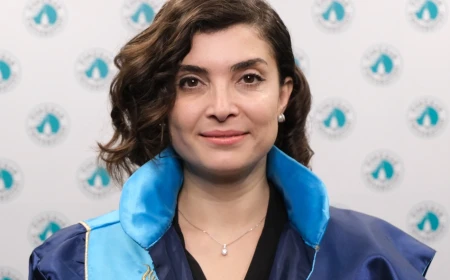
ISTANBUL, TURKIYE — Dr. Zeynep Güler Yenipınar, Head of the Department of Nutrition and Dietetics at Istanbul Rumeli University, emphasized that correct nutritional planning is vital for elderly individuals intending to fast during Ramadan to protect their health.
While energy needs decrease with age, the requirement for proteins, vitamins, and minerals often increases, making nutrition management more sensitive due to risks such as muscle loss (sarcopenia) and chronic diseases. Yenipınar noted that prolonged fasting and insufficient fluid intake could lead to serious health complications, particularly for those suffering from diabetes, hypertension, or kidney and cardiovascular diseases.
Sahur Meal Must Not Be Skipped
Dr. Yenipınar highlighted that the sahur meal is of vital importance for elderly individuals as it plays a critical role in maintaining blood sugar balance throughout the day and preventing muscle loss. It is recommended to ensure adequate protein intake during sahur and to prioritize complex carbohydrates and foods with high fiber content.
Regarding the iftar meal, Yenipınar stated that after long periods of hunger, food should be consumed slowly and in a controlled manner without straining the stomach. She advised staying away from excessively fatty, salty, and sugary foods and emphasized that maintaining adequate fluid intake between iftar and sahur is essential for health.
Nutritional Planning Should Be Personalized
Personal differences must be considered when evaluating fasting in old age. "Nutritional planning for elderly individuals wishing to fast must be personalized, evaluating muscle loss risks, medication use, and chronic diseases," Yenipınar said. She added that sahur should not be skipped and that sudden, excessive food consumption during iftar should be avoided.


In certain cases, a physician or dietician should evaluate whether fasting is medically appropriate. Yenipınar also pointed out that elderly individuals living alone are at a higher risk of irregular nutrition and dehydration. She concluded that fasting in old age is not just a religious practice but a process requiring professional health support to ensure healthy aging awareness.


What's Your Reaction?
 Like
0
Like
0
 Dislike
0
Dislike
0
 Love
0
Love
0
 Funny
0
Funny
0
 Wow
0
Wow
0
 Sad
0
Sad
0
 Angry
0
Angry
0

Editor | Wise News Press — Delivering accurate, timely global news with integrity, insight, and editorial responsibility.


















Comments (0)