



Experts warn: Postpartum depression is more than just baby blues
Psychiatrist Dr. Sema Bayçın explains that postpartum depression affects 1 in 7 women and requires clinical support to protect both mother and infant health.



BY AHMET TAŞ | WISE NEWS PRESS
İZMİR, TÜRKİYE — Postpartum depression, a serious mental health condition affecting one in seven women globally, remains a critically under-discussed issue often misidentified as the natural exhaustion of early motherhood.
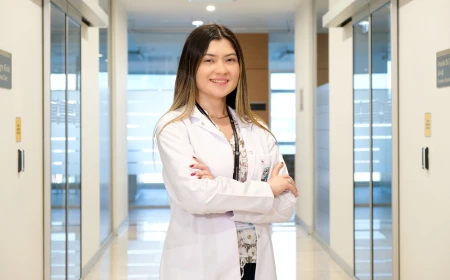
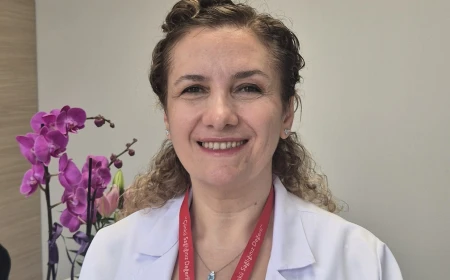
Psychiatrist Dr. Sema Bayçın from Batıgöz Health Group Balçova Surgical Medical Center emphasizes that postpartum depression is a clinical state requiring professional intervention rather than a passing emotional fluctuation. While "baby blues" is a common sensitivity that typically fades within weeks, clinical depression is more intense, persistent, and disruptive to daily functioning.
Identifying the warning signs
The symptoms of postpartum depression often manifest as a constant urge to cry, feelings of hopelessness, intense anxiety, and thoughts of worthlessness. Dr. Bayçın notes that difficulty bonding with the baby and significant changes in sleep or appetite are major warning signals. In severe cases, mothers may even experience thoughts of self-harm or harming the infant, indicating that the situation has moved far beyond simple fatigue.
Beyond hormonal changes
While the sudden drop in estrogen and progesterone levels after birth directly affects brain chemistry, hormones are not the only cause. Biological factors interact with psychosocial burdens, such as chronic sleep deprivation, the weight of caregiving responsibilities, and societal expectations of "the perfect mother." Dr. Bayçın highlights that lack of social support and financial stress further increase the risk, often causing women to hide their feelings out of shame.
Risks to infant development
The impact of a mother's mental health extends directly to the child, shaping the infant's attachment process and future psychosocial structure. Depression can reduce interaction between mother and child, potentially affecting the infant's stress regulation systems and sense of security. Consequently, experts advocate for mental health screenings to become a routine part of postpartum medical check-ups to act as a protective factor for the baby’s development.


The power of social support
Recovery is significantly accelerated when spouses and family members provide an understanding environment rather than a judgmental one. Dr. Bayçın suggests that families should listen without criticism and encourage the mother to seek professional help instead of telling her the feeling will simply "pass." Treatment plans are personalized and may include psychotherapy, social support adjustments, and medication when necessary, to which most mothers respond quickly and positively.


What's Your Reaction?
 Like
0
Like
0
 Dislike
0
Dislike
0
 Love
0
Love
0
 Funny
0
Funny
0
 Wow
0
Wow
0
 Sad
0
Sad
0
 Angry
0
Angry
0

Editor | Wise News Press — Delivering accurate, timely global news with integrity, insight, and editorial responsibility.



















Comments (0)