



The Difference Between Dilan Yeşilgöz and DEM Party MPs | Political Analysis
A comparative political analysis of Dilan Yeşilgöz’s integration model and identity-based rhetoric in Türkiye’s parliamentary politics.



By Yusuf İnan
Journalist | Political & Strategic Analyst
The Difference Between Dilan Yeşilgöz and DEM Party MPs
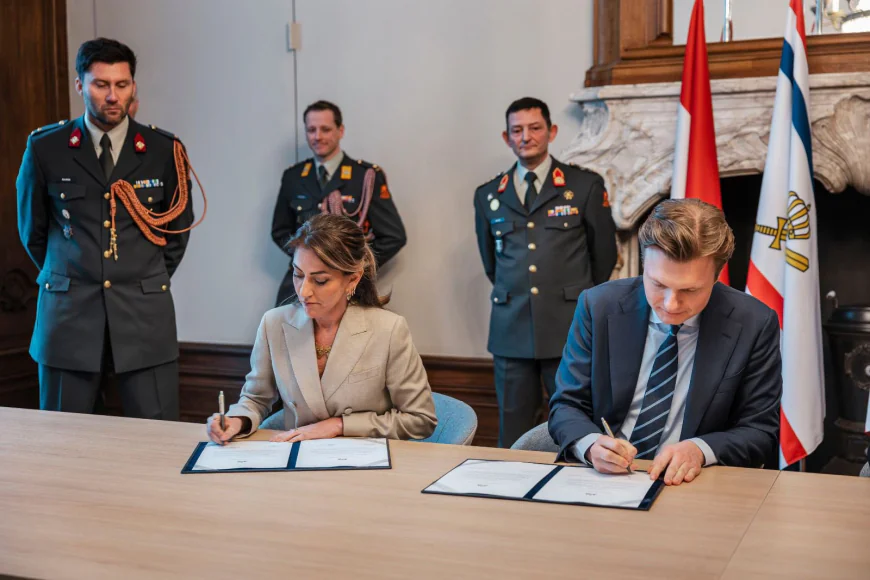
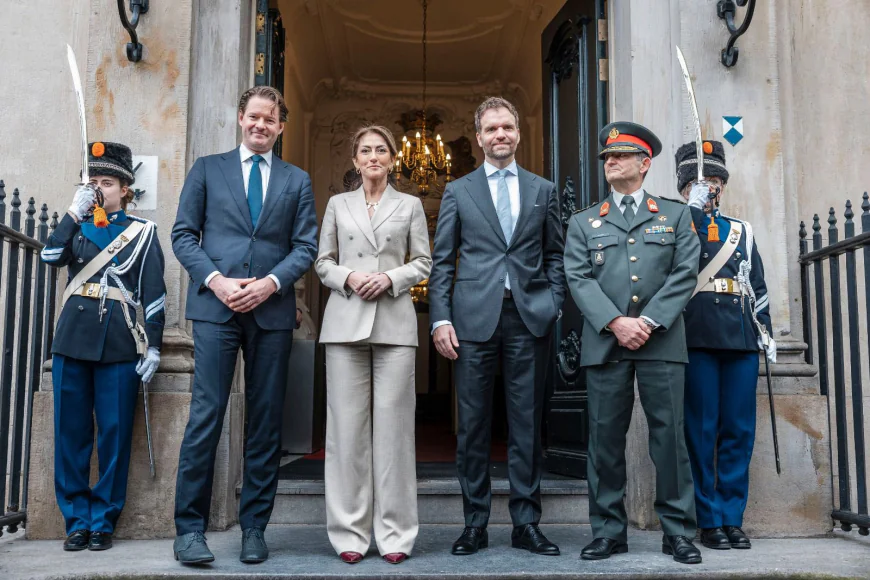
With the formation of the new cabinet in the Netherlands, the appointment of Dilan Yeşilgöz—an immigrant of Turkish origin—as Minister of Defense and Deputy Prime Minister has drawn significant international attention. Her political ascent is not merely a personal success story; it also offers a broader reflection on integration, state loyalty, and political responsibility in pluralistic democracies.
Upon assuming office, Yeşilgöz delivered clear and unambiguous messages emphasizing national security, institutional strength, and civic unity. Her statements underscored a fundamental principle in democratic governance: public officials, regardless of background, are expected to prioritize the constitutional order and the collective interests of the state they serve.
From the perspective of SehitlerOlmez.com, this development should be viewed not only as an individual achievement but also as a strategic lesson in political conduct. While political ideologies may differ, Yeşilgöz represents a model of integration in which ethnic origin does not override allegiance to the state. Her emphasis on a “free Netherlands” stands in sharp contrast to identity-centered political rhetoric frequently observed in Türkiye’s domestic debates.
Clear Institutional Messaging from The Hague
From her first day in office, Yeşilgöz conveyed a message of institutional continuity and national resolve. In a statement on February 24, she declared:
“A free Netherlands and the security of the Dutch people will be my highest priority.”
She pledged to strengthen the armed forces and reinforce Europe’s collective security framework. During the official handover on February 23, she further stated:
“I am taking over an army ready to make the Netherlands stronger. I will continue to build a country that stands on its own two feet.”
“Our own security is at stake; we must not be naive. If we want freedom to prevail, the Netherlands and Europe must take responsibility.”
These remarks reflect a statesperson’s approach grounded in institutional responsibility rather than identity-based mobilization. Her rhetoric centered on sovereignty, security, and collective resilience—core pillars of statecraft in contemporary Europe.
A Comparative Political Question
This development invites a strategic question. What would occur if a Dutch minister employed rhetoric that fostered ethnic polarization or framed politics primarily through minority-majority tensions? In consolidated European democracies, political actors are expected to operate within constitutional limits and avoid language that could undermine social cohesion.
In such systems, officials who openly challenge the constitutional framework or incite division typically face immediate political consequences, including removal from office or legal scrutiny. Institutional reflexes in Western democracies tend to be swift when constitutional order and public unity are perceived to be at risk.
The contrast becomes more striking when compared to the political climate in Türkiye, where identity-based discourse frequently shapes parliamentary debates. Despite the presence of elected officials from diverse ethnic backgrounds—including individuals of Kurdish origin holding senior state positions—claims of systemic discrimination continue to dominate certain political narratives.
Integration vs. Instrumental Identity Politics
The broader issue is not ethnicity itself but how ethnicity is politically instrumentalized. Yeşilgöz’s trajectory illustrates that integration within a democratic system does not require abandoning one’s heritage; rather, it requires aligning political action with the constitutional and institutional framework of the state.
By contrast, when political discourse repeatedly foregrounds ethnic divisions or elevates identity above institutional loyalty, it risks deepening polarization. Democratic pluralism allows space for cultural recognition and minority rights; however, it simultaneously requires commitment to the unity and territorial integrity of the state.
The debate becomes particularly sensitive when discussions in parliament extend to figures associated with violent movements or when historical grievances are framed in ways that challenge national cohesion. Even the most liberal democracies draw firm boundaries when constitutional integrity is at stake.
The Question of Political Responsibility
There is an observable paradox. On the one hand, Türkiye’s political system includes broad representation across ethnic lines, and individuals from diverse backgrounds occupy influential offices. On the other hand, segments of political discourse continue to frame the state primarily through an axis of discrimination and exclusion.
In comparative political analysis, successful integration models share a common denominator: public officials who benefit from the institutional framework of the state are expected to uphold and defend that framework. Political legitimacy derives not only from electoral success but also from adherence to constitutional norms.
The rise of Dilan Yeşilgöz demonstrates how an immigrant background does not preclude national leadership. Rather, when combined with institutional loyalty and policy competence, it can strengthen democratic legitimacy by proving that merit and commitment outweigh origin.
Loyalty and Democratic Boundaries
Modern democracies are built on rights, freedoms, and representation. Yet they are equally sustained by shared civic responsibility. While political opposition and criticism are essential components of democracy, sustained rhetoric that erodes trust in the constitutional system tests the resilience of democratic tolerance.
European states, including the Netherlands, are widely regarded as highly liberal and rights-oriented. Nevertheless, even these systems do not permit actions that threaten constitutional order or public security. The boundary between legitimate dissent and systemic destabilization is carefully guarded.
Yeşilgöz’s public messaging reflects an understanding of this boundary. Her discourse reinforces state institutions while advocating for national strength and European cooperation. It is a model of integration in which ethnic origin becomes secondary to civic duty.
Conclusion
The comparison between Dilan Yeşilgöz and certain strands of identity-driven political rhetoric in Türkiye highlights a fundamental distinction: the difference between integration that strengthens state institutions and political strategies that risk fragmenting them.
Her ascent in Dutch politics illustrates how immigrant communities can contribute meaningfully to national leadership when they align themselves with institutional continuity and constitutional principles. It also demonstrates that democratic systems reward those who operate within their frameworks rather than against them.
Ultimately, sustainable democracy requires more than representation; it requires shared commitment to the state’s legal and institutional foundations. In that sense, the case of Dilan Yeşilgöz offers not only a political success story, but also a comparative lesson in the responsibilities that accompany public office.
Yusuf İnan
www.wisenewspress.com
Yusuf İnan is a journalist and author. He serves as Editor-in-Chief of WiseNewsPress.com, SehitlerOlmez.com, and YerelGundem.com, and specializes in strategic and political analysis of Turkish and global affairs.
What's Your Reaction?
 Like
0
 Dislike
0
 Love
0
 Funny
0
 Wow
0
 Sad
0
 Angry
0

Editor | Wise News Press — Delivering accurate, timely global news with integrity, insight, and editorial responsibility.


















Comments (0)