



Ukraine and Türkiye discuss prisoners and Crimean political detainees
A Ukrainian delegation met Türkiye’s Chief Ombudsman Mehmet Akarca in Ankara to discuss POWs, civilian hostages and Crimean political prisoners.


By Yusuf İnan | Wise News Press
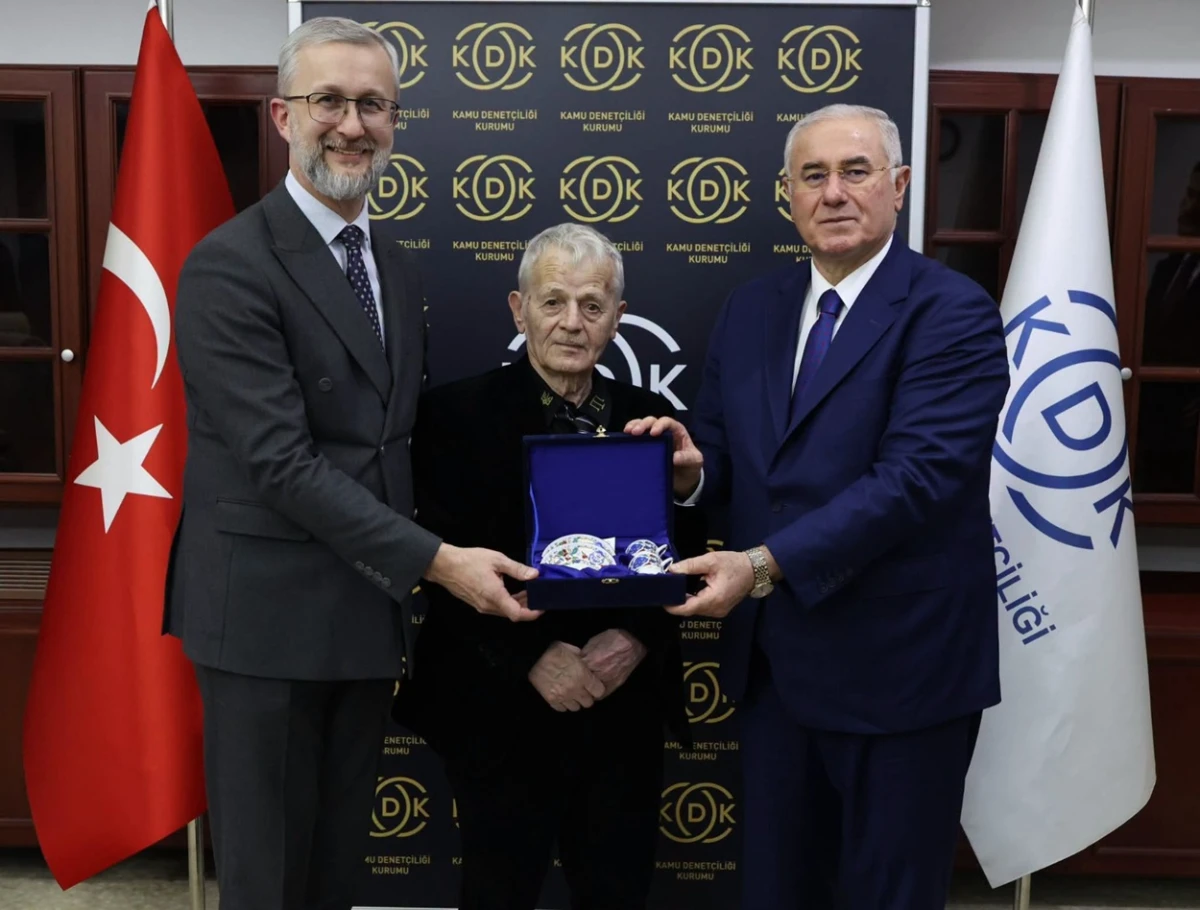
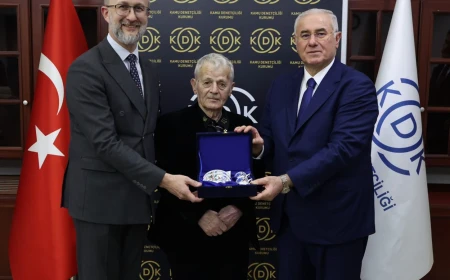
ANKARA, Türkiye — A Ukrainian delegation met Türkiye’s Chief Ombudsman Mehmet Akarca in Ankara on November 20 to discuss efforts to free Ukrainian prisoners of war, civilian hostages and Crimean political detainees.
The delegation included Ukrainian lawmaker and Crimean Tatar leader Mustafa Dzhemilev, Ukraine’s Ambassador to Türkiye Nariman Dzhelyalov and Lenur Mambetov, head of the Crimean National Welfare Foundation. The meeting also addressed alleged human rights violations in Russian-occupied Crimea.
Ukrainian detainees placed at centre of Ankara talks
According to the Embassy of Ukraine in Türkiye, the central focus of the meeting was the situation of Ukrainian citizens held by Russia.
The Ukrainian delegation raised the cases of prisoners of war, civilian hostages and Crimean political prisoners, calling for the use of available diplomatic, humanitarian and legal mechanisms to secure their release.
The participants stressed that the issue extends beyond military personnel captured during the war. It also includes civilians and Ukrainian citizens whom Kyiv considers to have been imprisoned for political reasons, particularly in occupied Crimea.
No specific list of detainees discussed during the meeting was released. The two sides also did not announce a timetable for further negotiations or any immediate prisoner exchange initiative.
The Ukrainian representatives nevertheless said continued international attention was essential to keeping individual cases on the diplomatic agenda and helping families receive information about their detained relatives.
Human rights violations in Crimea raised
The situation in Crimea formed a major part of the discussions.
The Ukrainian delegation briefed Akarca on what it described as systematic human rights violations, unlawful prosecutions and pressure directed at Ukrainian citizens living on the peninsula.
Particular attention was given to the reported persecution of members of the Crimean Tatar community. The delegation said residents had faced detention and prosecution because of their political views, national identity or support for Ukraine’s territorial integrity.
The Ukrainian representatives argued that prolonged imprisonment affects not only detainees but also their families and the broader Crimean Tatar community. Families may receive limited information about where their relatives are being held, their health or their legal status.
The delegation called for the cases of Crimean political prisoners to remain visible in international human rights discussions and for communication among ombudsman institutions, diplomatic missions and humanitarian organisations to be strengthened.
Crimean Tatar concerns highlighted
The participation of Mustafa Dzhemilev, a Ukrainian lawmaker and long-standing leader of the Crimean Tatar people, placed the community’s concerns prominently on the agenda.
The Ukrainian delegation emphasised the need to protect the cultural identity, fundamental rights and security of Crimean Tatars living on the peninsula.
It also raised concerns over legal proceedings involving Crimean Tatar activists, community representatives and other residents whom Ukraine regards as victims of politically motivated prosecution.
The delegation said each case required individual monitoring because general figures could obscure the personal circumstances of detainees and the hardship faced by their families.
Information about a detainee’s location, health and access to legal assistance can be difficult to obtain, the Ukrainian side said. International involvement may therefore be necessary to establish communication and maintain scrutiny of detention conditions.
No separate mechanism for Crimean Tatar detainees was announced following the talks. However, the issue was presented as an important element of the broader humanitarian dialogue between Ukraine and Türkiye.
Türkiye reaffirms support for Ukraine’s territorial integrity
Akarca reaffirmed Türkiye’s position in support of Ukraine’s sovereignty and territorial integrity, according to the Ukrainian Embassy’s account of the meeting.
He also indicated that Türkiye was prepared to continue paying attention to the humanitarian and human rights issues raised by the delegation.
No new Turkish initiative or formal action plan was announced. The statement nevertheless described the exchange as an opportunity to maintain communication on detainees, human rights and the humanitarian consequences of the war.
The Ukrainian representatives thanked Türkiye for its consistent support for Ukraine and for its attention to the fate of Ukrainians held by Russia.
They also expressed appreciation for Türkiye’s willingness to remain involved in international efforts intended to protect human rights and support the release of political prisoners.
The meeting reflected the continuing importance of humanitarian questions within broader relations between Kyiv and Ankara, alongside political and diplomatic cooperation.
International coordination described as essential
The participants emphasised the importance of cooperation among governments, ombudsman institutions, diplomatic missions and international human rights organisations.
The Ukrainian delegation said isolated diplomatic appeals might not be sufficient to secure the release of all detained citizens. Diplomatic, legal and humanitarian channels would need to operate together and share relevant information.
Potential areas of cooperation include establishing the whereabouts of detainees, obtaining information about their physical condition and monitoring access to legal representation.
Such information is important both for international negotiations and for relatives who may have spent long periods without reliable news about family members.
The Ukrainian representatives also argued that civilian hostages and political prisoners should not be excluded from humanitarian discussions that primarily focus on prisoners of war.
No agreement establishing a new joint mechanism was announced after the Ankara meeting. The discussions instead focused on maintaining coordination and using existing legal and humanitarian channels more effectively.
Families face prolonged uncertainty
The humanitarian consequences for detainees’ families were another element of the talks.
Families of prisoners of war, civilian hostages and political detainees may live for extended periods without confirmed information about the health, location or legal position of their relatives.
The Ukrainian delegation stressed the importance of regularly informing families and ensuring access to legal and psychological assistance.
It said the release of detained Ukrainians should not be treated solely as a political issue, as it also concerns personal liberty, physical safety and the right of families to be reunited.
No detailed list of requests submitted by relatives was released after the meeting. However, the wider humanitarian impact of detention remained central to the Ukrainian delegation’s presentation.
The meeting also highlighted the role that national ombudsman institutions can play in maintaining contact, exchanging information and bringing individual humanitarian cases to the attention of relevant authorities.
Diplomatic engagement expected to continue
The Embassy of Ukraine in Türkiye described the release of Ukrainians affected by Russian repression as one of Kyiv’s most important continuing priorities.
Ukrainian officials said achieving that goal would require coordinated and sustained efforts involving Ukraine and its international partners.
No date was announced for a follow-up meeting. However, Ukraine and Türkiye are expected to maintain communication concerning prisoners of war, civilian hostages, Crimean political detainees and human rights conditions in occupied territories.
The Ankara meeting underscored that the consequences of the war extend beyond military and political developments. The fate of detainees and the prolonged uncertainty faced by their families remain part of the international diplomatic agenda.
For Ukraine, keeping individual cases visible is considered essential to sustaining pressure for information, legal access and eventual release. Türkiye’s continued engagement could provide an additional channel for addressing those humanitarian concerns.
WiseNewsPress.com
What's Your Reaction?
 Like
0
 Dislike
0
 Love
0
 Funny
0
 Wow
0
 Sad
0
 Angry
0
Yusuf İnan is a journalist, columnist, strategic analyst and head of the Wise News Press Media Group. His work focuses on international affairs, geopolitics, security and major social issues. Through his journalism, he promotes peace, dialogue, mutual understanding and responsible reporting while contributing to the development of international media projects.









Comments (0)