



Waking up tired? Expert warns of serious sleep apnea risks
Neurology expert Prof. Dr. Barış Metin warns that waking up unrefreshed is a standalone sign of sleep disorders, which can lead to increased risks of heart attack and stroke.



WISE NEWS PRESS / ISTANBUL, TÜRKİYE
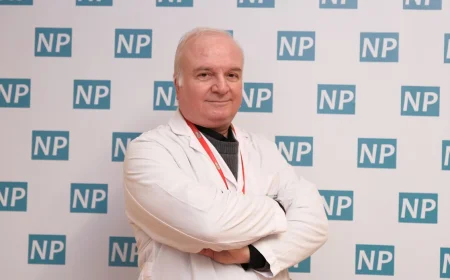
Neurology Specialist Prof. Dr. Barış Metin warns that waking up unrefreshed could be a standalone sign of a sleep disorder, emphasizing that untreated sleep apnea significantly increases the risk of heart attack and stroke.
Experts state that individuals frequently encounter sleep disturbances, yet accurate diagnosis relies on a detailed clinical history combined with objective sleep tests. Prof. Dr. Barış Metin from Üsküdar University NPİSTANBUL Hospital shared critical insights regarding the diagnostic procedures used in sleep medicine and the severe health risks associated with chronic sleep issues.
The gold standard: Polysomnography (PSG)
Prof. Dr. Barış Metin stated that polysomnography is the most reliable method for diagnosing sleep-related breathing disorders. "For suspected obstructive sleep apnea, the gold standard is polysomnography (PSG), which monitors brain waves, respiratory flow, oxygen saturation, muscle activity, and heart rhythm simultaneously throughout the night," Metin explained.
According to Metin, this test allows for the determination of the apnea-hypopnea index (the number of times breathing stops per hour) and the classification of the disease's severity.
Identifying narcolepsy and excessive sleepiness
For the diagnosis of conditions involving excessive daytime sleepiness, such as narcolepsy, specialists utilize the Multiple Sleep Latency Test (MSLT) following a PSG. Prof. Dr. Metin noted that in cases of narcolepsy, the time it takes to fall asleep is significantly shortened, and patients often enter the REM stage abnormally fast.


Furthermore, overnight video-EEG monitoring is utilized when there is a suspicion of epilepsy. This allows physicians to determine whether abnormal nocturnal movements are caused by epileptic activity.
Advanced monitoring in sleep laboratories
During a sleep study, several high-tech sensors work in unison to map the patient’s sleep architecture. Prof. Dr. Barış Metin summarized the equipment's functions:
-
EEG: Monitors brain activity to identify sleep stages and potential seizures.


-
EMG: Records muscle activity to detect abnormal contractions.
-
Respiratory Sensors: Track breathing patterns and pauses.
-
EKG: Measures heart rhythm continuously throughout the night.
-
Oxygen Saturation: Ensures blood oxygen levels remain within a healthy range.
Why quality sleep is a vital necessity
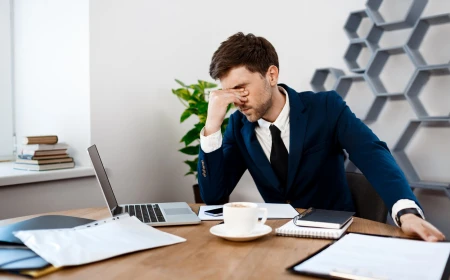
"If you do not feel refreshed when you wake up in the morning, that alone is an indicator of a sleep problem," Metin concluded. He warned that sleep apnea is a silent threat that impairs concentration and life functions while significantly increasing the likelihood of life-threatening events such as strokes and heart attacks.
Experts urge individuals experiencing loud snoring or witnessed breathing pauses to seek immediate medical evaluation to protect their long-term health and social well-being.
What's Your Reaction?
 Like
0
Like
0
 Dislike
0
Dislike
0
 Love
0
Love
0
 Funny
0
Funny
0
 Wow
0
Wow
0
 Sad
0
Sad
0
 Angry
0
Angry
0

Editor | Wise News Press — Delivering accurate, timely global news with integrity, insight, and editorial responsibility.
















Comments (0)