



Who is Reza Pahlavi? The exiled prince calling for change in Iran
As protests sweep across Iran in early 2026, exiled Crown Prince Reza Pahlavi emerges as a central figure, calling for a democratic transition and a national referendum.


WISE NEWS PRESS / LONDON, UK
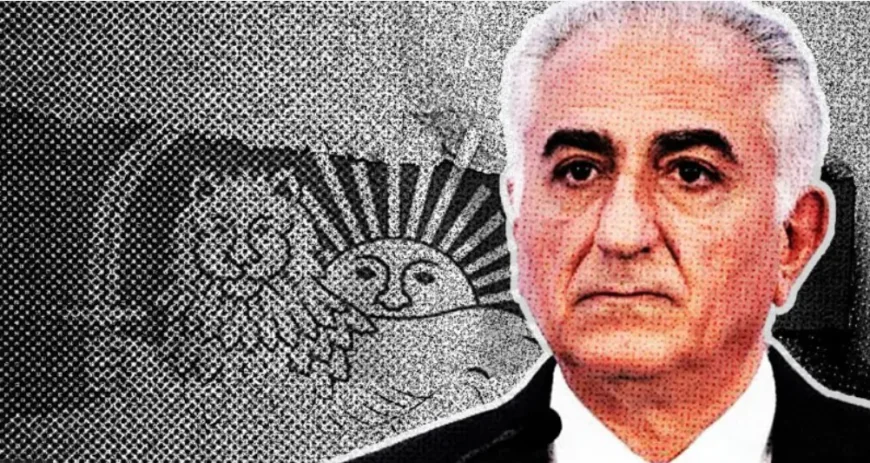
Exiled Crown Prince Reza Pahlavi has emerged as a key rallying point for demonstrators during the early 2026 Iranian protests, positioning himself as a figure of national reconciliation while calling for a transition to a secular democracy.
The 65-year-old heir to the abolished throne has utilized social media to support protesters demanding freedom, thanking international leaders for their solidarity and urging the global community to hold the current regime accountable. As the son of the last Shah, Pahlavi’s resurgence highlights a significant debate regarding the future of Iran’s leadership and whether his family remains a viable alternative for a post-revolutionary state.
From Texas flight school to life in exile
Born in Tehran in October 1960, Reza Pahlavi was groomed from birth to succeed his father, Shah Mohammad Reza Pahlavi. However, while he was undergoing fighter pilot training in Texas, the 1979 Islamic Revolution swept his family from power. This sudden loss of authority left the young prince stateless, watching from afar as his father sought refuge across the globe before succumbing to cancer in Egypt.
Living near Washington D.C. for decades, Pahlavi has maintained a relatively low profile, often characterized by supporters as an approachable figure who believes change must come from within Iran. Despite the personal tragedies within his family, including the suicides of two siblings, he has remained the head of a dynasty that many critics previously considered a relic of the past.
A 100-day plan for a democratic future
In recent years, Pahlavi’s political stance has become increasingly assertive. Following a series of regional escalations in 2025, he held a press conference in Paris declaring his readiness to lead a transitional government should the current system collapse. He even detailed a "100-day plan" focused on stabilizing the country and ensuring a peaceful shift toward free elections.
His vision emphasizes that the final decision on Iran’s political system—whether it remains a monarchy or becomes a republic—must be left to a national referendum. Unlike some more radical opposition groups, Pahlavi has consistently rejected violence, distancing himself from armed organizations while advocating for civil disobedience and labor strikes to pressure the state.
Navigating a controversial historical legacy
The Pahlavi name remains a polarizing symbol in Iranian politics. While many elderly Iranians and certain youth segments look back at the pre-1979 era as a period of rapid modernization and international prestige, others recall it as a time of strict censorship and the feared SAVAK secret police.
His international diplomatic efforts have also drawn mixed reactions. A 2023 visit to Israel, where he met with Prime Minister Benjamin Netanyahu, was viewed by some as a pragmatic move toward regional peace, while others feared it would alienate Iran’s traditional allies in the Muslim world. Despite these debates, the recurrence of pro-monarchy slogans during street protests suggests that his influence continues to resonate within certain sections of the Iranian populace.
What's Your Reaction?
 Like
0
 Dislike
0
 Love
0
 Funny
0
 Wow
0
 Sad
0
 Angry
0

Editor | Wise News Press — Delivering accurate, timely global news with integrity, insight, and editorial responsibility.












Comments (0)