



Estonia warns Russia is rearming for future conflict with NATO
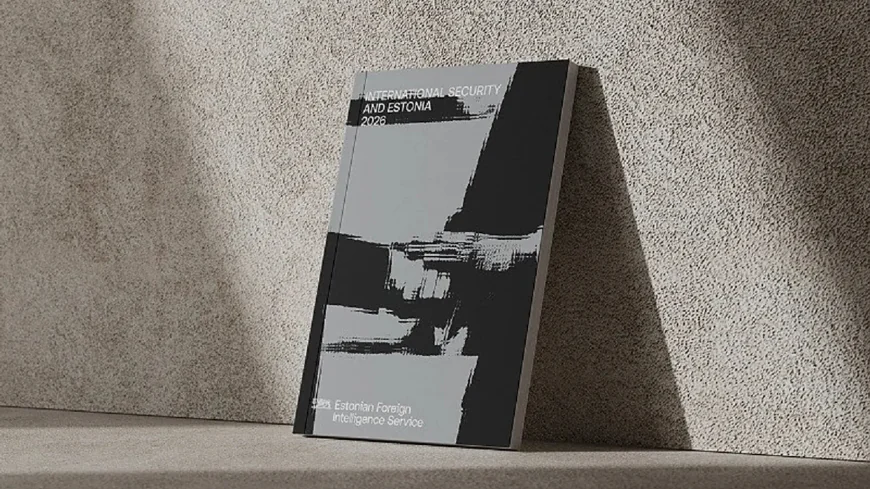
Estonia's annual intelligence report says Russia is not planning an immediate attack on NATO but is rapidly rebuilding its military capabilities.


By Ahmet Taş | Wise News Press
TALLINN, ESTONIA — The Estonian Foreign Intelligence Service has released its annual security report, stating that while Russia is not planning an immediate military attack on Estonia or any other NATO member state, it poses a long-term threat due to its rapid rearmament.
The report emphasizes that Moscow's current priority remains securing control over Ukraine. However, it also highlights that Russia is significantly increasing its armed forces personnel, rebuilding strategic artillery ammunition stockpiles, and establishing new drone units based on a "mass army" approach.
"Dangerous despite incompetence"
Kaupo Rosin, Director General of the Estonian Foreign Intelligence Service, noted in the report's foreword that Russia remains a formidable adversary. "Despite its incompetence, Russia is still a dangerous country, and we need to be vigilant to prevent the spread of the 'Russian world'," Rosin stated, adding that there is no need for panic at this stage.
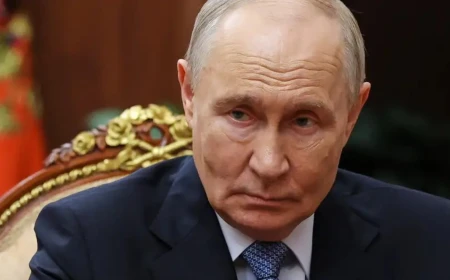
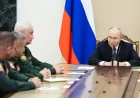
According to the report, control over Ukraine has become an obsession for Russian President Vladimir Putin. The Kremlin views the war as a means to become a major power with a say in European security, treating potential peace talks merely as a tool to secure victory.
Surging defense production
The intelligence report provides striking data on Russia's defense industrial capacity. Since 2021, Russia has increased its artillery ammunition production by more than 17 times. Through this surge in production and high import volumes, Russia is projected to replenish its strategic ammunition stockpiles despite the ongoing war.


The Kremlin views maintaining these stockpiles as a critical element for planning future conflicts. Estonian assessments indicate that Russia's defense industry is growing at the expense of traditional economic sectors.
Sanctions and internal cracks
During the report's presentation, Rosin emphasized that the Russian economy is becoming increasingly vulnerable to each new sanctions package. "Some cracks have started to appear in the country, and everything is moving in a very favorable direction for us. My message is: Now is the right time to apply more pressure," Rosin said, calling for Western cooperation to close sanction loopholes.
The report also noted that while Russia attempts to project an image of being able to sustain the war indefinitely, the internal situation is deteriorating. It predicts that in 2026, Russia will likely implement harsher measures to further restrict access to independent online media.


What's Your Reaction?
 Like
0
Like
0
 Dislike
0
Dislike
0
 Love
0
Love
0
 Funny
0
Funny
0
 Wow
0
Wow
0
 Sad
0
Sad
0
 Angry
0
Angry
0

Editor | Wise News Press — Delivering accurate, timely global news with integrity, insight, and editorial responsibility.













Comments (0)