



EU holds line on Russia sanctions as UK seeks to reassure allies
The EU says it remains committed to Russia energy sanctions as the UK defends new licences allowing limited fuel and LNG-related exemptions.


By Ahmet Taş | Wise News Press
ANKARA, Turkey — The European Union says it will not retreat from sanctions aimed at weakening Russia’s war economy, while the United Kingdom is trying to reassure allies that its latest licence decisions do not amount to a rollback.
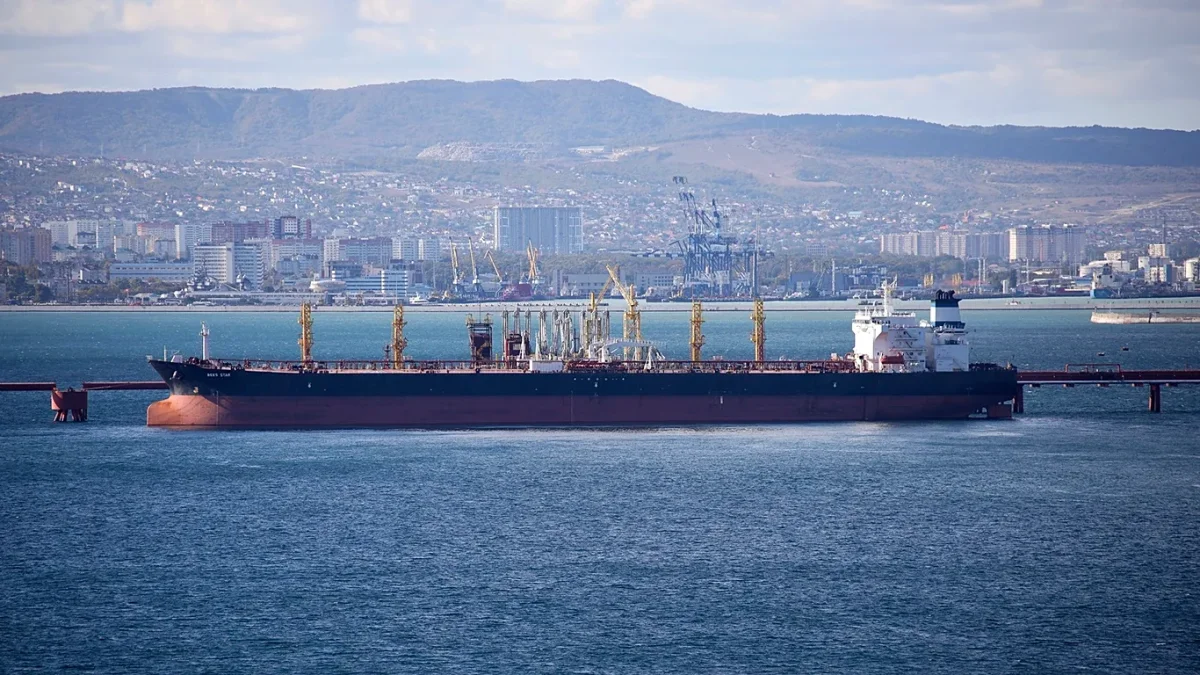
According to Euronews, Brussels is exploring, together with G7 partners, a full ban on maritime services for Russian oil tankers. However, recent decisions by the United States and the United Kingdom suggest that approval of such a step may be difficult in the short term.
The UK’s new licences allowing imports of diesel and jet fuel made from Russian crude in third countries have raised questions in Ukraine and among European allies. London says the measures are short-term tools to manage pressure on energy supplies and do not weaken the sanctions regime.
EU says sanctions policy will continue
The European Commission has stressed that the bloc remains committed to energy sanctions against Russia.
Commission chief spokesperson Paula Pinho said Brussels continues to stand by sanctions on Russian oil and gas imports. She also said Russia should not be allowed to benefit economically from continuing conflicts in the Middle East.


The EU’s position indicates that its strategy of limiting revenue sources that help finance Russia’s war against Ukraine remains in place.
Since the start of the war, the EU has adopted numerous sanctions packages targeting Russian oil, gas, finance, transport, technology exports and defense-linked sectors.
UK defends new licence decisions
The British government issued an indefinite licence on Tuesday allowing imports of diesel and jet fuel produced from Russian crude in countries such as Turkey and India.


These countries buy Russian crude at discounted prices and sell refined products into international markets. The move has revived debate over whether Russian oil is indirectly returning to Western markets through third countries.
London also issued a separate licence allowing short-term service contracts with Russia’s Sakhalin-2 and Yamal LNG projects to continue until January 2027.
The British government says these steps do not mean sanctions are being lifted. Instead, it argues that the licences are necessary to phase in restrictions on refined products made from Russian crude and maritime services related to Russian LNG.
Ukraine fears extra revenue for Moscow
The UK decisions are being closely watched in Kyiv.
The office of Ukrainian President Volodymyr Zelenskyy said it was in intensive contact with British officials to understand the details of the decision. Vladyslav Vlasiuk, Zelenskyy’s sanctions envoy, expressed concern about possible additional revenue for Moscow’s budget.
For Ukraine, the central concern is that refined products made from Russian crude could enter Western markets through third countries and indirectly provide income to Russia.
Kyiv has repeatedly argued that sanctions loopholes must be closed and that energy-related exemptions should be strictly monitored.
London calls it a communication problem
The UK is trying to present the controversy as a communication problem.
British officials say the licences were issued to support the phased introduction of the ban on refined products derived from Russian crude and restrictions on maritime services for Russian LNG.
London also argues that energy supply pressures should not be allowed to worsen after the closure of the Strait of Hormuz.
Facing criticism from the opposition, Prime Minister Keir Starmer described the licences as short-term measures intended to protect British consumers.
Speaking in Parliament, Starmer said the decisions did not in any way mean that existing sanctions were being lifted. He added that the UK would continue working with allies on new sanctions packages.
Trade Minister Chris Bryant apologized for what he called the “clumsy” announcement of the softened measures and promised to review the licences as soon as possible.
Full maritime services ban remains on hold
The developments in London came just one day after Washington confirmed it had extended an exemption for seaborne Russian oil for the third time this year.
The United States said the move would provide additional flexibility for countries that are most vulnerable in energy terms.
The announcement by U.S. Treasury Secretary Scott Bessent coincided with a G7 meeting of finance ministers and central bank governors in Paris, which he also attended.
European Commissioner for Economy Valdis Dombrovskis strongly criticized the extension. Speaking in Paris, Dombrovskis referred to the sharp rise in the price of Urals crude and said the EU did not believe it was time to ease pressure on Russia.
Brussels is therefore trying to persuade Western allies to adopt a comprehensive ban on banking, maritime transport and insurance services for Russian oil tankers.
G7 partners face competing pressures
The European Commission is caught between two competing pressures over the proposed full ban on maritime services for Russian oil tankers.
On one side are EU member states such as Greece and Malta, which have economic interests in shipping and flag services. These countries insist that a full ban should be implemented only if G7 countries act together.
On the other side are the United States and the United Kingdom, which play major roles in banking and insurance services. Washington and London are adapting their own sanctions regimes to cope with energy shocks caused by the closure of the Strait of Hormuz.
These unresolved tensions have pushed the EU into an unusual position: the ban is approved in theory, but effectively suspended in practice.
Ban could replace price cap mechanism
The full maritime services ban being considered by Brussels could replace the G7 price cap mechanism that has been in place since 2022.
The existing price cap system was designed to restrict Russia’s access to Western insurance, shipping and financial services if its oil was sold above a set price.
However, Russia’s use of a shadow fleet, third-country trade routes and changes in global oil prices have raised questions about the effectiveness of the mechanism.
A full ban would more broadly exclude Russian oil tankers from Western maritime, banking and insurance services. But its impact on energy markets and the need for coordination among allies remain major obstacles.
G7 sends message of resolve
At the end of the Paris meeting, G7 finance ministers reiterated their unwavering determination to continue imposing heavy costs on Russia.
The ministers did not announce a specific timetable, but left the door open for possible additional measures on maritime services.
The statement shows that Western allies still have the political will to maintain economic pressure on Russia. Yet recent moves by the United States and the United Kingdom reveal how difficult it has become to balance sanctions pressure with energy security concerns.
For the EU, the key question in the coming months will be whether sanctions can be tightened further to limit Russia’s war revenues, or whether global energy shocks will push allies toward a more controlled and flexible approach.
What's Your Reaction?
 Like
0
Like
0
 Dislike
0
Dislike
0
 Love
0
Love
0
 Funny
0
Funny
0
 Wow
0
Wow
0
 Sad
0
Sad
0
 Angry
0
Angry
0

Editor | Wise News Press — Delivering accurate, timely global news with integrity, insight, and editorial responsibility.















Comments (0)