



Breast cancer no longer a barrier to motherhood thanks to new treatments
Innovative treatments like smart drugs and immunotherapies are transforming breast cancer from a fatal disease to a manageable condition, preserving fertility for young women.



By Ahmet Taş | Wise News Press
ISTANBUL, TURKEY — Innovative treatment methods developed for breast cancer—the most frequently diagnosed cancer among women globally—are transforming the disease from a fatal condition into a manageable chronic illness, allowing young women to safely pursue their dreams of motherhood.
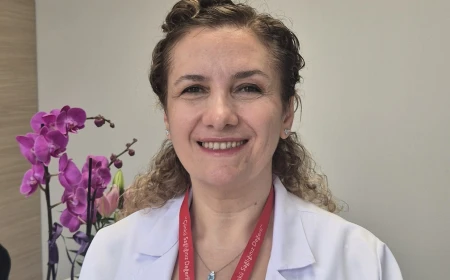
Prof. Dr. Ozge Gumusay, a Medical Oncology Specialist at Acibadem Atasehir Hospital, highlighted that thanks to smart drugs, antibody-drug conjugates, and immunotherapies, breast cancer can now be successfully controlled for many years. Experts warn patients against falling into despair and seeking unscientific alternative methods, emphasizing that personalized oncological treatments started at the right time not only improve the quality of life but also protect fertility.
Managing breast cancer like a chronic illness
In the past, a breast cancer diagnosis meant devastation and hopelessness for patients and their families, but revolutionary advancements in modern medicine have completely changed this perception. Prof. Dr. Ozge Gumusay pointed out that modern treatment options have significantly extended patient survival rates.
"In the past, when breast cancer was mentioned, a hopeless picture immediately came to mind for the patients and their relatives. But now this situation has changed; breast cancer has become a disease that can be kept under control for a long time, just like diabetes and hypertension. Therefore, it is of great importance that our diagnosed patients apply to an oncology doctor and start their treatment without falling into despair or resorting to alternative methods."
Stating that the introduction of "antibody-drug conjugates" developed with a special technology has broken new ground in medicine, Gumusay summarized the working principle of this technology. The chemotherapy drug carried attached to the antibody reaches the cancer cell directly, like a guided missile, thereby minimizing the damage to healthy tissues.


In HER2-positive tumors, which constitute about 20 percent of all breast cancer cases, lesions rapidly regress thanks to intravenously administered smart drugs. On the other hand, patients with estrogen-sensitive metastatic breast cancer, who make up 70 percent of cases, can sometimes continue their normal lives without cancer for years thanks to smart drugs and endocrine tablets they simply take orally at home.
Personalized oncology era replaces one-size-fits-all
One of the most important transformations in breast cancer treatment has been the abandonment of the "one-size-fits-all" approach in favor of personalized medicine practices. Treatment success rates have multiplied with the routine use of targeted agents, antibody-drug conjugates, and immunotherapy methods that train the immune system to fight cancer.
Underlining that breast cancer is no longer evaluated as a single disease, Gumusay stated that tumors are classified according to their biological subtypes and molecular characteristics. When planning treatment, not only the stage of the tumor is considered; factors like hormone receptor status, HER2 status, the presence of genetic mutations such as BRCA, the patient's age, and chronic additional diseases are meticulously examined.


Cancer treatment does not prevent becoming a mother
The decreasing age of breast cancer onset brings the anxiety of "If I get cancer, I will never be a mother again" to young patients. However, fertility preservation approaches in medicine make these concerns completely unfounded.
For young patients who do not yet have children or want to expand their families, reproductive preservation methods such as egg or embryo freezing can be successfully applied before treatment. In addition, by giving ovarian suppression treatments during the chemotherapy process, the patient's fertility capacity is prevented from being damaged.
Sharing the results of recent comprehensive scientific studies, Gumusay emphasized that patients who complete their chemotherapy and radiotherapy processes can become pregnant with the approval of their oncologists after receiving endocrine (hormone) treatment for an average of 18 to 30 months. Studies have scientifically proven that there is no increase in the risk of disease recurrence in women with a history of breast cancer who become pregnant at an appropriate time after treatment.
Success of immunotherapy in triple-negative tumors
"Triple-negative breast cancer," which is seen more frequently among young women and individuals carrying the BRCA gene mutation, constitutes approximately 10 to 15 percent of all cases. Promising developments are also taking place in this subtype, which was quite aggressive and difficult to treat in the past.
Immunotherapy and new-generation antibody-drug conjugates are now coming into play for triple-negative tumors, which were previously attempted to be managed only with traditional chemotherapy. Experts state that adding immunotherapy to pre-operative chemotherapy in early-stage cases has now become a standard. In metastatic cases, immunotherapy is reported to have a massive benefit on survival, especially in PD-L1 positive patients.
Supportive therapies lighten the psychological and physical burden
Modern cancer treatments do not only focus on destroying the tumor; they also aim to preserve the patient's psychological integrity and physical comfort. Thanks to supportive therapies applied in oncology clinics, the difficulties of the treatment process are minimized.
Nausea and vomiting complaints due to chemotherapy have largely become history thanks to powerful anti-emetic drugs developed. Protective measures such as blood-boosting injections and flu, pneumonia, and shingles vaccines applied against the risk of infection protect the immune system like a shield. Hair loss, which is one of the problems that most wears down the psychology of cancer patients, is significantly prevented thanks to special "scalp cooling" procedures applied during chemotherapy.
What's Your Reaction?
 Like
0
Like
0
 Dislike
0
Dislike
0
 Love
0
Love
0
 Funny
0
Funny
0
 Wow
0
Wow
0
 Sad
0
Sad
0
 Angry
0
Angry
0

Editor | Wise News Press — Delivering accurate, timely global news with integrity, insight, and editorial responsibility.



















Comments (0)