



Middle East adapts to Trump's America: Leaders pivot back to Washington
Despite a multipolar economic order, Middle Eastern leaders are realigning with Washington for security guarantees, making relations with Trump increasingly strategic.
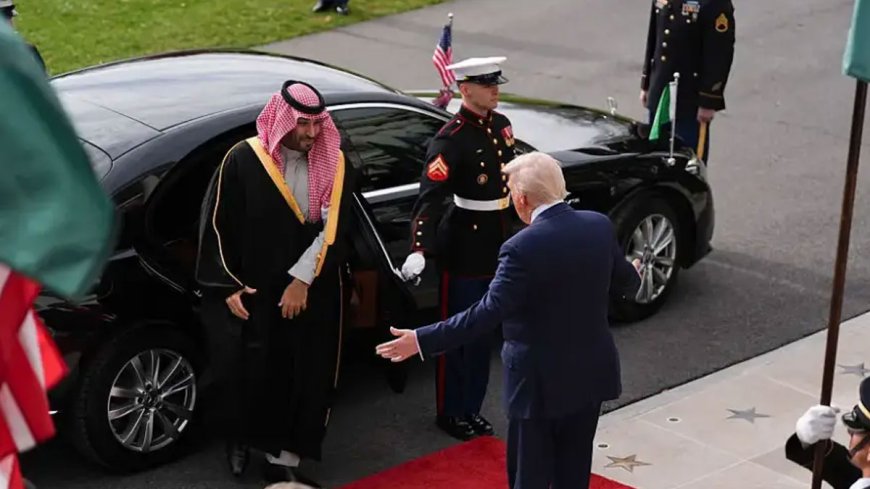


WISE NEWS PRESS / WASHINGTON, USA — Dec. 6, 2025
Although Middle Eastern countries have adopted a multipolar order in economic and commercial relations over the last decade, they are turning their focus back to the United States under Donald Trump regarding regional security and strategic partnerships.
According to an analysis by Galip Dalay, the US role in regional capitals is defined as both "unreliable and indispensable." While China's influence in economic infrastructure grows, Washington's central role in matters of war and peace is driving regional leaders into a new process of alignment with the Trump administration.
Leaders on the road to Washington
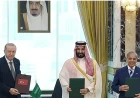
Since September, Saudi Crown Prince Mohammed bin Salman, Syrian President Ahmed Shara, Turkish President Recep Tayyip Erdoğan, and Qatari Prime Minister Sheikh Mohammed bin Abdulrahman Al Thani have all visited the US to meet with President Trump. This intense diplomatic traffic is viewed as the most concrete indicator of the regional power elite's efforts to adapt to Trump's America.
Multipolar economy, unipolar security
According to the analysis, the Middle East has become undeniably multipolar in terms of economic and technological infrastructure. China has become the Gulf's largest trading partner, and companies like Huawei play a critical role in 5G infrastructure. However, this picture does not reflect on regional security.
The war in Gaza and its aftermath proved that neither China nor Russia could replace the US. Washington remains the decisive power in all critical processes, from resolving the crisis between Israel and Qatar to legitimizing the new administration in Syria.


The search for the indispensable ally
The "indispensability" of American power is causing regional states to tighten security ties with Washington in the short term:
-
Qatar: Following an Israeli attack on Doha, Qatar signed a security pact with the US similar to NATO's Article 5.
-
Saudi Arabia: Crown Prince Salman is seeking "major non-NATO ally" status, F-35 jets, and AI chips in exchange for a $1 trillion investment commitment.


-
Turkey: Viewing Washington as a balancing power against Israel's aggressive policies, Turkey is establishing a new dialogue through the disarmament of the PKK and the process in Syria.
Despite strengthening ties with the US, the perception of an "unreliable ally" persists. The US's past passive stance against Iranian attacks and uncertainties in Israel policies are pushing regional countries to seek alternatives. Saudi Arabia's defense agreement with nuclear-armed Pakistan stands out as an example of this strategic diversification.
Experts warn that if the US fails to fulfill its security commitments, the search for strategic diversity in the region will accelerate, potentially deepening relations with Beijing.
Source : Galip Dalay / Karar
What's Your Reaction?
 Like
0
Like
0
 Dislike
0
Dislike
0
 Love
0
Love
0
 Funny
0
Funny
0
 Wow
0
Wow
0
 Sad
0
Sad
0
 Angry
0
Angry
0

Editor | Wise News Press — Delivering accurate, timely global news with integrity, insight, and editorial responsibility.


















Comments (0)