



Modi urges Putin to end war as India’s Russian oil trade faces scrutiny
Narendra Modi urged Vladimir Putin to end the Ukraine war, while India’s continued purchases of Russian crude renewed questions over its peace message.


By Ahmet Taş | Wise News Press
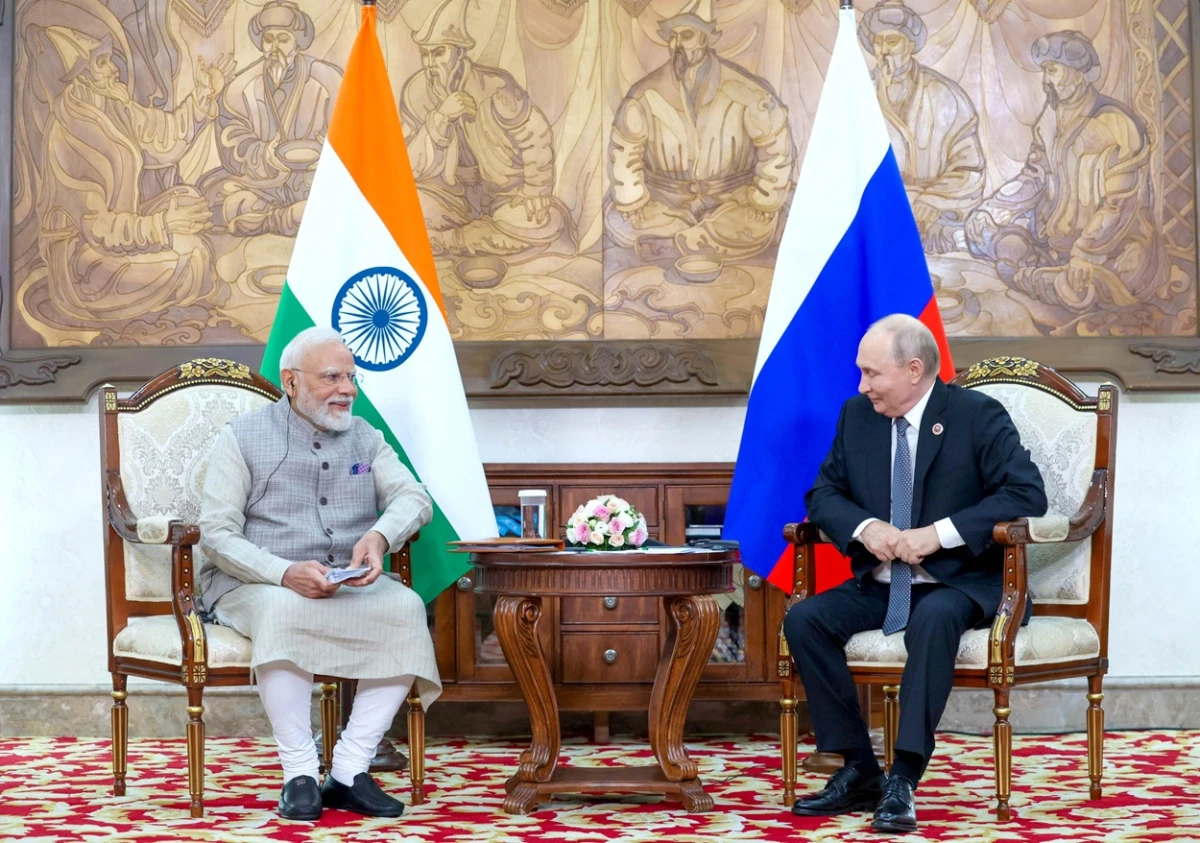
BISHKEK, Kyrgyzstan — Indian Prime Minister Narendra Modi urged Russian President Vladimir Putin to move from an “endless war” toward ending the conflict in Ukraine, but India’s continued purchases of Russian crude have renewed scrutiny over whether New Delhi’s peace diplomacy is matched by its economic policy.
Modi delivered the message during talks with Putin on August 31 on the sidelines of the 26th Shanghai Cooperation Organization summit in Bishkek. India’s government said the two leaders also reviewed cooperation in energy, defence, trade, investment, space and other areas of their strategic partnership.
Modi tells Putin: Move from endless war to an end to war
At the start of the talks, Modi stressed that continued fighting was imposing costs far beyond Russia and Ukraine.
He told Putin that every day of war pushes humanity backward while every step toward peace creates new hope, before delivering one of his clearest appeals yet for an end to the fighting:
“We must move from endless war towards an end to war.”


Modi said disputes should be resolved peacefully as quickly as possible and linked India’s position to the traditions of Mahatma Gandhi and Buddha, presenting New Delhi’s approach as a message of peace and humanity.
Reuters reported that Putin responded positively to Modi’s remarks, while the Kremlin later said the Russian president had briefed the Indian leader on developments in what Moscow calls its “special military operation” in Ukraine.
India’s Prime Minister’s Office said Modi reiterated that dialogue and diplomacy remained the way forward in resolving conflicts and that India would continue supporting efforts toward peace.


India keeps close strategic ties with Russia
The peace message came alongside an equally clear commitment to the wider India-Russia relationship.
Modi and Putin reviewed cooperation covering politics, economics, defence, energy, space, mobility and people-to-people ties. Both sides described their “Special and Privileged Strategic Partnership” as resilient despite geopolitical tensions.
Modi also said he looked forward to welcoming Putin to India for the BRICS summit scheduled for September 12-13.
That combination — a public appeal for an end to the Ukraine war while simultaneously expanding cooperation with Moscow — illustrates the balancing act India has pursued since Russia’s full-scale invasion in 2022.
New Delhi has avoided joining Western sanctions against Russia and has argued that its foreign and energy policies must serve India’s own national interests and energy security.
Ukrainian commentator says actions would carry more weight
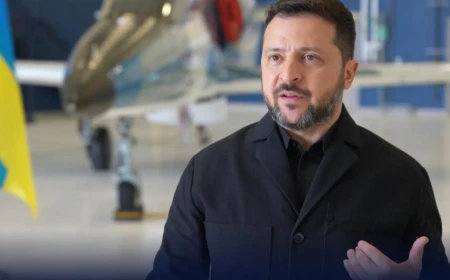
Modi’s remarks drew a notable response from former Ukrainian deputy interior minister Anton Gerashchenko, who described the Indian leader’s words as fair and welcomed the appeal for peace.
But Gerashchenko argued that diplomatic language alone would have limited impact on Moscow.
“Putin doesn't understand words, he understands actions.”
He said a decision by India to stop buying Russian crude would send a more convincing signal because oil revenues contribute to Russia’s finances. He also pointed to recent shipments of Indian-origin gasoline to Russia as Moscow has struggled with domestic fuel shortages.
Gerashchenko’s comments represent his own political assessment, not an official statement by the Ukrainian government.
His criticism nevertheless highlights a broader question surrounding India’s role: whether a country seeking to act as a voice for peace can simultaneously remain one of Russia’s most important energy customers.
Russian crude still accounts for a major share of India’s imports
India became one of the largest buyers of Russian seaborne crude after Western sanctions reshaped global oil trade following the 2022 invasion.
Reuters analysis estimated that India imported about 1.87 million barrels per day of Russian crude in August, down sharply from around 2.79 million barrels per day in July. India’s overall crude imports were about 4.17 million barrels per day during August, meaning Russian supplies still represented a substantial portion of the country’s purchases.
Russia has remained an attractive supplier for Indian refiners because of pricing, availability and disruptions elsewhere in global energy markets.
India has consistently defended such purchases on the grounds of energy security and affordable fuel for its population.
For Moscow, however, Asian demand has become strategically important after Europe sharply reduced its reliance on Russian energy. Oil exports to buyers including India and China have helped Russia preserve export revenues despite Western restrictions.
This is why Modi’s peace language and India’s energy trade are increasingly discussed together.
Indian gasoline has also reached Russia
The energy relationship has recently developed an unusual reverse flow.
Russia, traditionally a major exporter of refined fuel, has begun receiving gasoline originating in India as Ukrainian drone attacks have repeatedly disrupted Russian refineries.
Reuters reported in July that gasoline produced by Indian refiner Nayara Energy was sold to Russia through traders. Russian oil major Rosneft owns a 49% stake in Nayara. India’s Oil Minister Hardeep Singh Puri said Indian companies were not directly selling fuel to Russia but acknowledged that Indian-origin fuel could have reached the country through intermediaries.
In August, Reuters reported that a tanker carrying about 68,000 metric tons of gasoline originating from India reached Russia’s Arctic port of Vitino before the fuel began moving by rail to domestic buyers. At least two additional Indian cargoes were expected at the time.
The shipments are politically significant because they came as Russia faced growing pressure on its domestic fuel system.
Ukrainian strikes deepen Russia’s fuel shortage
Ukraine has intensified attacks on Russian oil infrastructure, arguing that refineries and energy facilities contribute to Moscow’s ability to finance and sustain its war effort.
By late August, Russian gasoline production had fallen to around 80,000 metric tons per day, enough to cover only about 70% of estimated domestic demand, according to industry sources cited by Reuters.
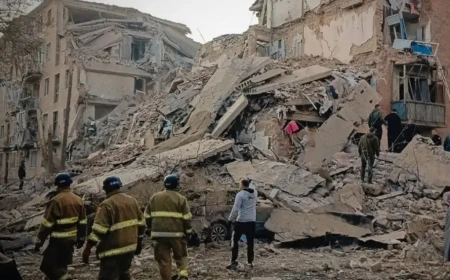
Plants in Perm, Nizhny Novgorod and Yaroslavl were among the major refineries affected by recent drone attacks. The resulting shortages forced Russia to increase fuel imports and maintain restrictions on exports.
Moscow also extended restrictions on diesel exports through September 30 and maintained broader curbs on gasoline and other fuel exports as authorities sought to stabilize the domestic market.
Against this backdrop, gasoline arriving from India takes on a significance far beyond the relatively limited volumes involved.
It connects two sides of the same geopolitical equation: India buys Russian crude, while refined fuel originating from India can flow back to Russia when Moscow’s own refining network is under pressure.
The next test is whether peace rhetoric changes energy policy
Modi’s message in Bishkek was unequivocal in its humanitarian framing.
He argued that prolonged war harms humanity and that diplomacy should replace continuing conflict. India has repeatedly offered similar language and maintains relations with both Moscow and Kyiv, giving New Delhi a diplomatic position distinct from Western governments that have imposed extensive sanctions on Russia.
Yet the central contradiction remains.
India is calling for an end to the war while preserving a strategic relationship with Russia in which energy remains one of the most important pillars.
Neither Modi’s remarks nor India’s official statement following the Bishkek talks indicated that New Delhi was preparing to halt Russian oil purchases. Instead, both leaders emphasized the continued expansion and resilience of bilateral relations.
For Ukraine and its supporters, that leaves a straightforward question: Can India’s message of peace exert meaningful pressure on Moscow while Russian oil continues flowing to Indian refineries?
Gerashchenko’s argument is that Gandhi’s message would carry greater force if it were backed by economic action.
Modi’s words have now placed India’s peace diplomacy prominently on the international stage.
What happens next may be measured not only in diplomatic statements from Bishkek and New Delhi, but also in oil cargoes, refinery flows and the economic choices India makes toward Russia.
WiseNewsPress.com
What's Your Reaction?
 Like
0
Like
0
 Dislike
0
Dislike
0
 Love
0
Love
0
 Funny
0
Funny
0
 Wow
0
Wow
0
 Sad
0
Sad
0
 Angry
0
Angry
0

Ahmet Taş is a journalist, editor and Turkey Office Manager of the Wise News Press Media Group. He works across news, digital media and international publishing, focusing on accurate, responsible and accessible journalism. He contributes to the development of media projects that bring important political, social and global developments to a wider international audience.














Comments (0)