



NATO's Crystal is Cracking: Putin's Plan to Divide the US and Europe
Yusuf İnan analyzes the 2026 geopolitical shift: The cracking NATO alliance, the U.S. withdrawal from Europe, and Turkey's rising role as a global key player.


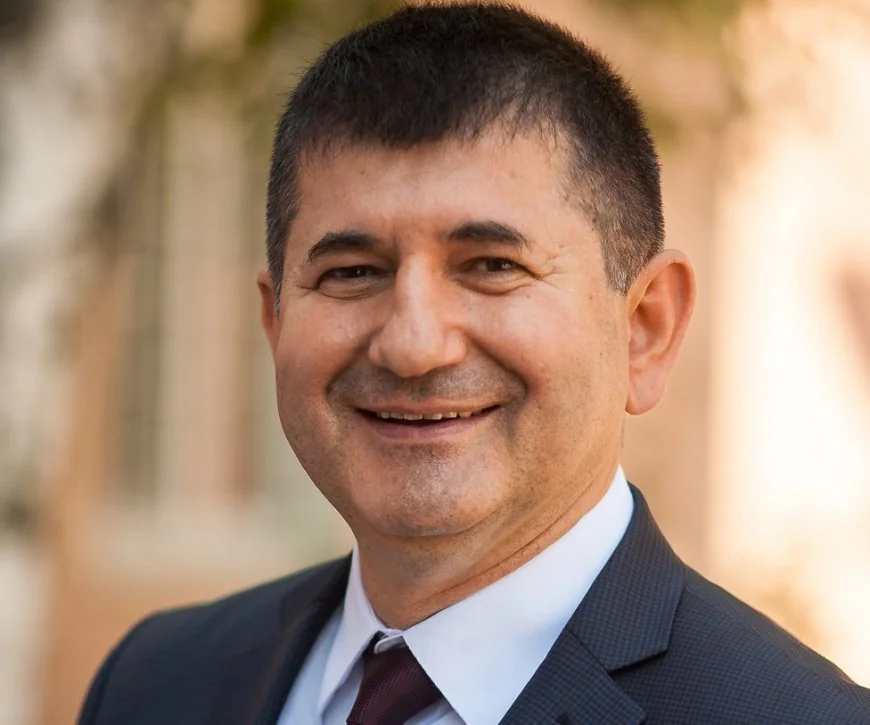
By Yusuf İnan
Journalist | Political & Strategic Analyst
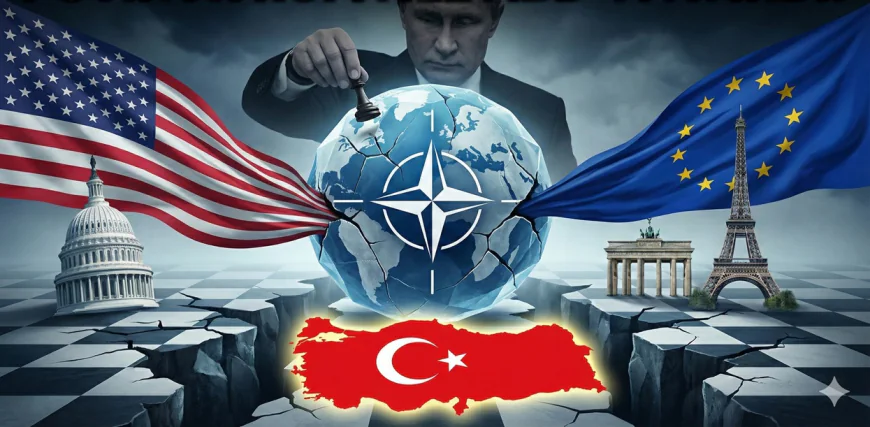
The NATO Crystal is Cracking: Is Europe the Checkmate in Putin’s Ukraine Chessboard?
The Transatlantic architecture, constructed after World War II and long deemed unshakable, is currently facing its most grueling historical test—not just in the mud-filled trenches of Ukraine, but in the cold diplomatic halls of Munich. For years, Western analysts peddled the thesis that "Russia’s crystal has cracked" and that Moscow had lost its regional hegemony. Today, however, a more terrifying reality is emerging: The NATO crystal is cracking, and the sound of that fracture is coming not from Washington, but from the very heart of Europe.
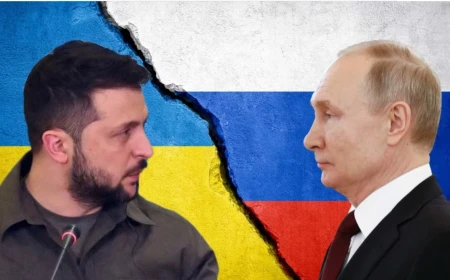
Vladimir Putin’s invasion, launched on February 24, 2022, appeared at first glance to be a strategic blunder—an adventure that would seal Russia’s downfall. Yet, as we move through 2026, the gargantuan objective behind the military deadlock has become clear. Putin’s primary concern was never merely the annexation of Kyiv; it was to sever the bond between Europe and the United States and to induce a state of "spiritual paralysis" within the Western alliance.
Ukraine: The Birth of a Sovereign Actor
Ukraine is no longer just a "buffer zone" or a "victim awaiting aid." We are witnessing the rise of a nation that reaches deep into Russian territory with its indigenous Flamingo missiles, resists Oreshnik missiles traveling at 3 kilometers per second, and possesses a national consciousness that sharpens daily. The Ukrainian people have proven their mettle against one of the world’s two greatest military powers. Ironically, however, this very resistance has triggered latent fault lines within NATO.


As Washington increasingly frames aid to Ukraine through a "cost-benefit" lens, Europe is confronting the nightmare of abandonment. The U.S. effort to "offload" Europe bears a haunting resemblance to Mikhail Gorbachev’s strategy for the dissolution of the USSR in the late '80s: Shrink the empire, eliminate the costs, and focus on the core. The rhetoric of the Trump administration—criticizing Europe over "climate cults" and "migration policies" while championing "America First"—is the unmistakable footfall of a looming divorce.
Europe’s Identity Crisis: Moral or Military Rearmament?
The chasm at the Munich Security Conference between Pedro Sánchez’s call for "moral rearmament" and Northern Europe’s demand to "triple military spending" proves the division within Europe itself. As the American protective shield thins, Europe is scrambling for alternatives. The dream of a "European Army" is no longer a romantic ideal of unity; it is a panic-stricken response to the question: "What do we do if Washington isn't there tomorrow?"
However, Europe faces a structural problem: no new partner can fill the vacuum of military and economic power provided by the U.S. In this void, Europe may find itself forced—however reluctantly—to turn its gaze toward Russia or Turkey.


Turkey: The "Key Country" on the Chessboard
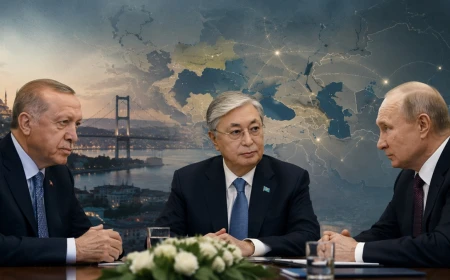
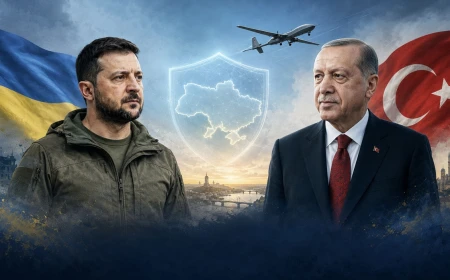
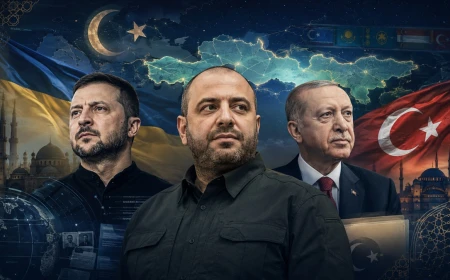
In an environment where global balances are so profoundly shaken, Turkey’s position has gained extraordinary momentum. Ankara is no longer just a NATO member; it is the "Key Country"—a balancing power that speaks to Russia, provides technology to Ukraine, holds the knot in Europe’s energy security, and counters U.S. policies that draw ire in the Middle East.
As the U.S. position in the Middle East wavers and regional resentment grows, the UK and Europe may evolve toward a new alliance model where they view Russia as a "necessary partner." This will bring about a geopolitical paradox:
-
The U.S. may lose Europe.
-
Russia may lose its hegemony in Turkestan (Central Asia) to the rising influence of Turkey.
China: From Silent Observer to Strategic Provider
Watching this Transatlantic rift silently is the other titan: China. Beijing is using the cool winds between the U.S. and Europe to fortify the political ground for its "Belt and Road" initiative. While the West divides itself, China markets its economic might as the "sole address for stability." Putin’s strategy to separate Europe from the U.S. effectively plays right into Beijing’s hands.
Conclusion: A Warning for Leaders
World leaders today face two choices: they will either sign a new contract based on shared values to glue the pieces of the NATO crystal back together, or they will enter an era of chaos where every nation determines its own fate and alliances are replaced by "temporary partnerships."
Putin’s invasion of Ukraine may have cost Russia dearly in economic terms, but the prize Putin has "bought" with that price is the deep crack in the soul of the Western alliance. If Washington and Brussels cannot repair this fracture, the second quarter of the 21st century will be defined by a U.S. withdrawal from Europe, leaving a continent searching for a new balance between Turkey and Russia as the center of gravity shifts irrevocably East.
Remember: once a crystal cracks, no matter how well it is glued, it never provides a clear view again.
Yusuf İnan
Yusuf İnan is a journalist and author. He serves as Editor-in-Chief of WiseNewsPress.com, SehitlerOlmez.com, and YerelGundem.com, and specializes in strategic and political analysis of Turkish and global affairs.
What's Your Reaction?
 Like
0
Like
0
 Dislike
0
Dislike
0
 Love
0
Love
0
 Funny
0
Funny
0
 Wow
0
Wow
0
 Sad
0
Sad
0
 Angry
0
Angry
0

Editor | Wise News Press — Delivering accurate, timely global news with integrity, insight, and editorial responsibility.














Comments (0)