



The Arduous Journey of Crimean Tatar Leader Nariman Dzhelyalov: From Captivity to Ukraine's Embassy in Ankara
Ukraine’s ambassador to Türkiye, Nariman Dzhelialov, brings Crimea’s political memory, Tatar identity and wartime diplomacy into Ankara’s strategic agenda.


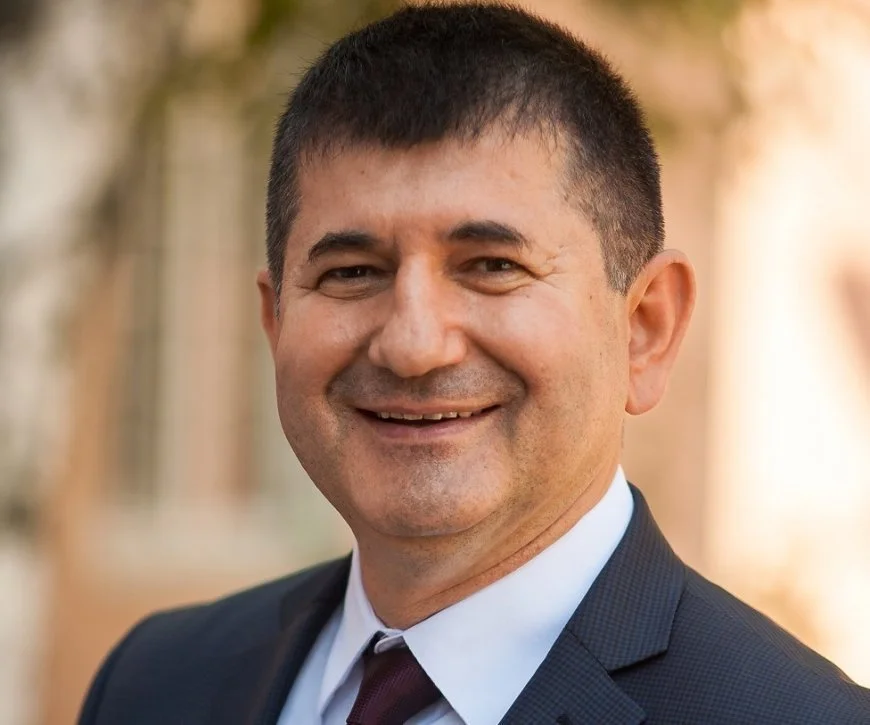
Yusuf Inan
Journalist | Political and Strategic Analyst
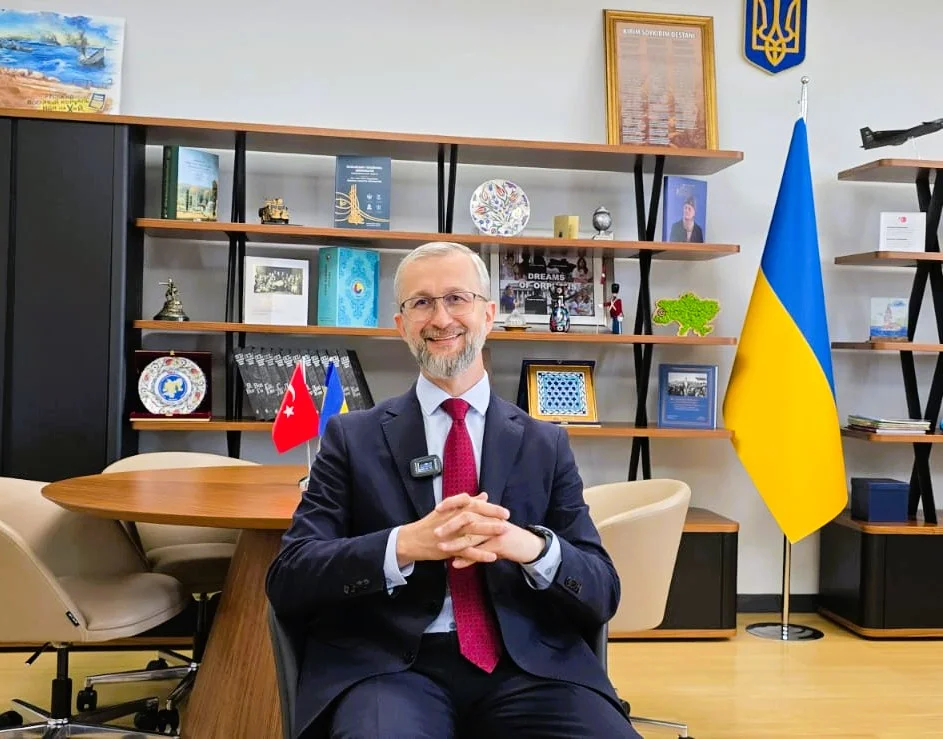
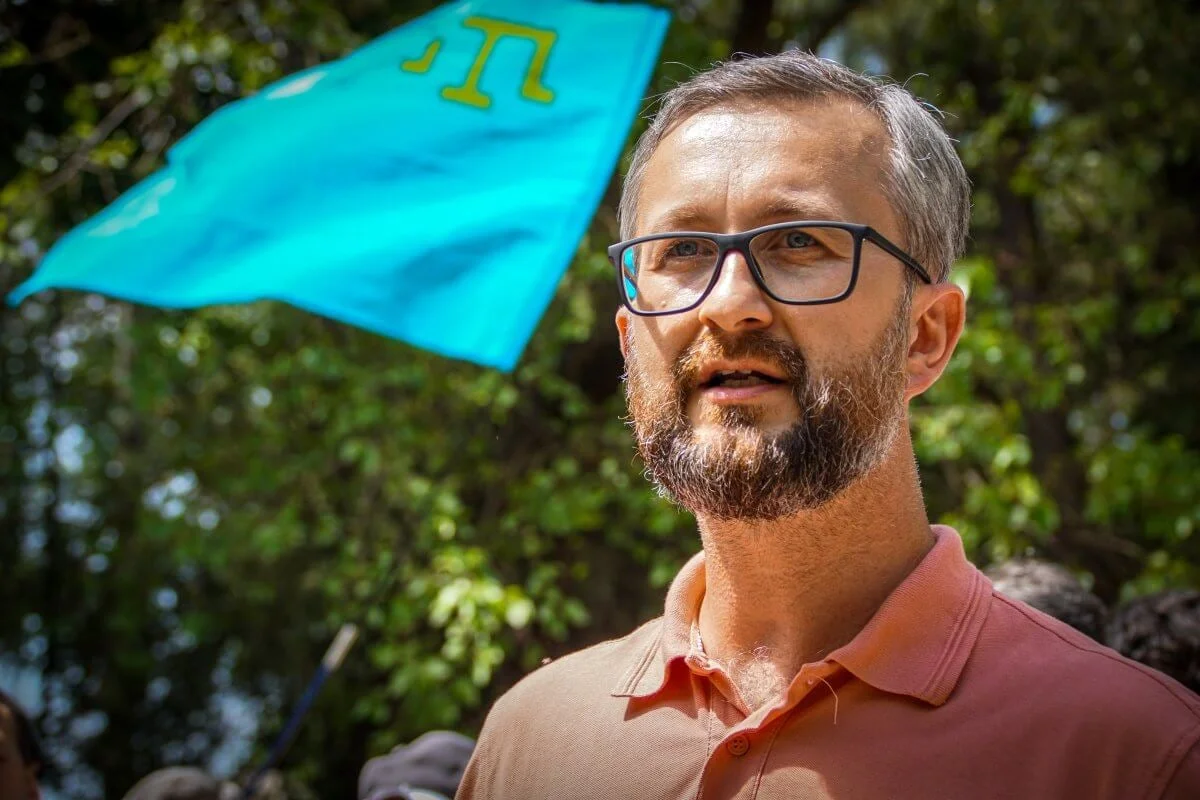
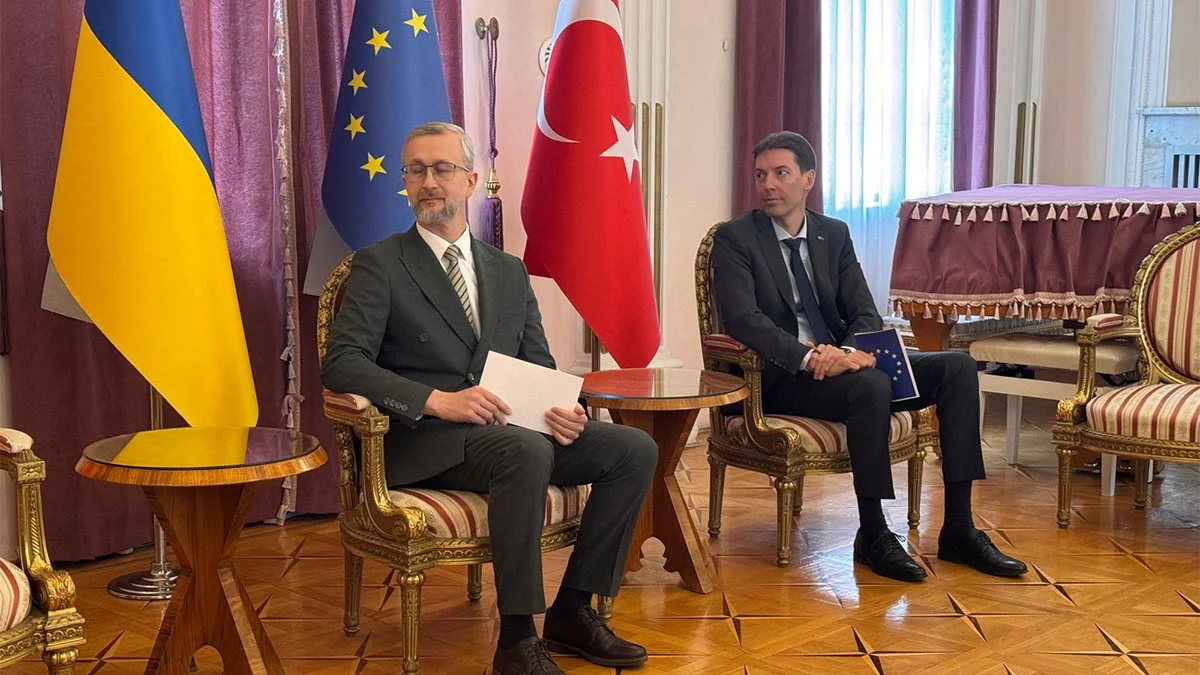
ANKARA, Türkiye — Ukraine’s ambassador to Türkiye, Nariman Dzhelialov, has become one of Kyiv’s most symbolically important diplomatic figures in Ankara, carrying the memory of Crimea, the voice of Crimean Tatars and the urgency of wartime diplomacy into Türkiye’s strategic agenda.
His appointment is not merely a routine diplomatic posting. It reflects Ukraine’s broader effort to keep Crimea, Black Sea security and the human cost of Russian occupation at the center of regional diplomacy, particularly in a country that maintains deep historical, cultural and political ties with the Crimean Tatar people.
A diplomat shaped by Crimea’s modern tragedy
Nariman Enverovich Dzhelialov was born on April 27, 1980, in Navoi, Uzbekistan, into a Crimean Tatar family whose story was shaped by displacement and return. His family moved back to Crimea in 1989, a turning point that placed his personal life within the wider historical experience of the Crimean Tatar people.
That background matters. For many diplomats, national service begins in foreign ministry corridors, embassy postings and formal negotiations. For Dzhelialov, the road to Ankara began in a community marked by deportation, identity struggle, political mobilization and resistance to occupation.


He studied political science at Odesa National University, earning a master’s degree in 2002. His education gave him the analytical tools of politics, but his public life was shaped more directly by Crimea. He became involved in the Crimean Tatar Mejlis and rose to become its first deputy chairman in November 2013, a position he held through some of the most turbulent years in Crimea’s recent history.
When Russia occupied and annexed Crimea in 2014, Dzhelialov remained connected to the peninsula’s political and human rights struggle. That decision transformed him from a regional political figure into a symbol of civic endurance.
From political prisoner to ambassador
The most defining episode in Dzhelialov’s public biography came in 2021, when Russian authorities arrested him in occupied Crimea. His detention was widely seen by Ukrainian and Crimean Tatar circles as part of the broader pressure campaign against activists, political representatives and voices challenging Russian control over the peninsula.


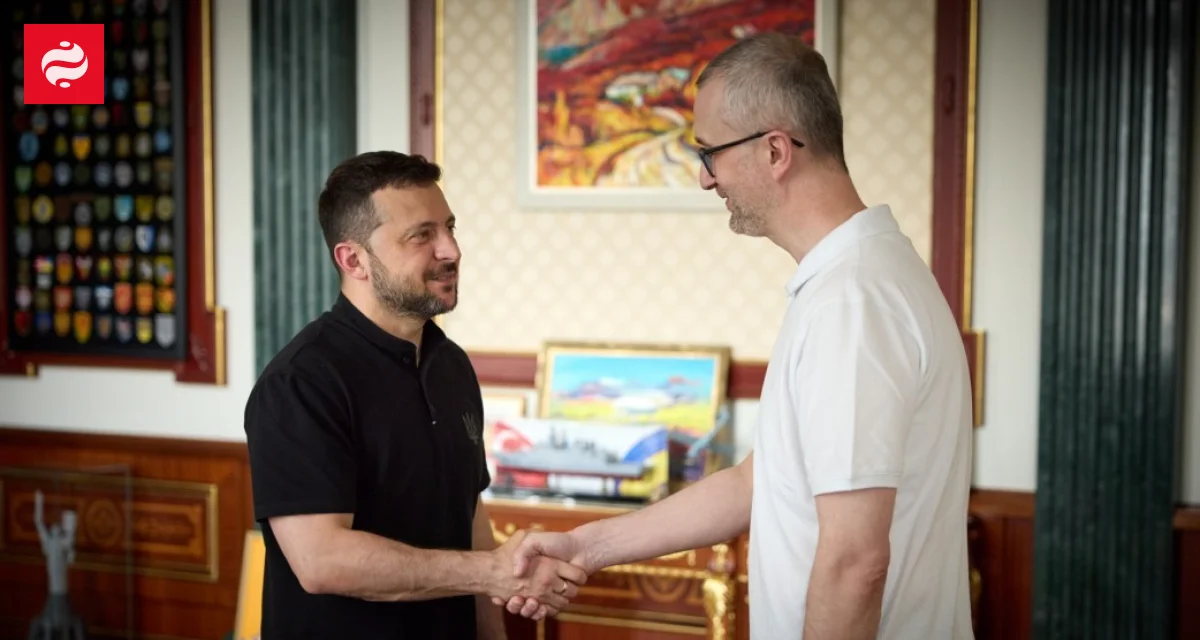
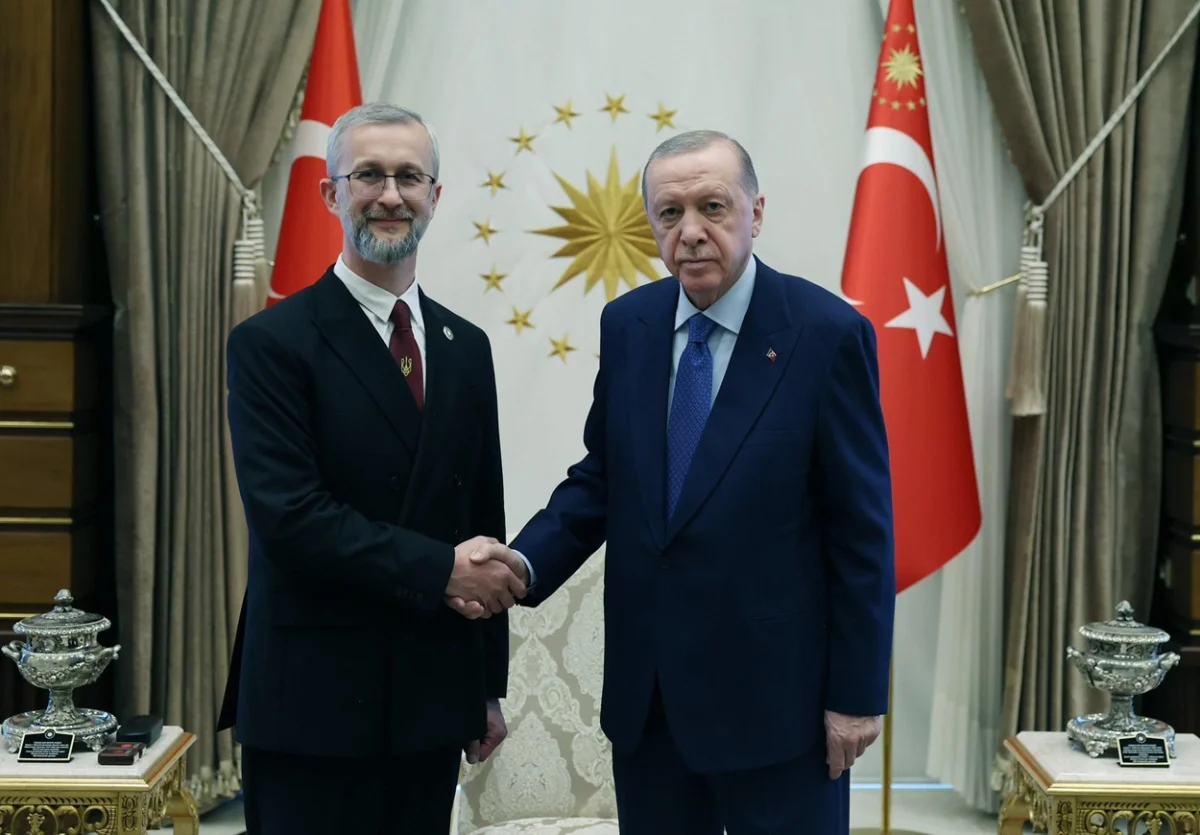
He was released in June 2024 as part of a prisoner exchange and returned to Ukraine. Less than a year later, on May 14, 2025, Ukrainian President Volodymyr ky appointed him as Ukraine’s ambassador to Türkiye. On July 8, 2025, Dzhelialov presented his credentials to President Recep Tayyip Erdoğan and formally began his mission in Ankara.
This sequence gives his ambassadorship a rare political weight. Dzhelialov is not only speaking about occupation, repression or Crimea from diplomatic briefing papers. He carries a personal experience of detention and political pressure. In Ankara, that gives his message a human dimension that conventional diplomatic language often lacks.
For Ukraine, sending such a figure to Türkiye was a calculated and meaningful choice. Ankara is one of the few capitals where Ukraine’s security interests, Russia’s regional influence, Black Sea geopolitics and Crimean Tatar identity all intersect.
Why Ankara matters for Kyiv
Türkiye occupies a unique position in the Russia-Ukraine war. It supports Ukraine’s territorial integrity, refuses to recognize Russia’s annexation of Crimea and has developed important defense ties with Kyiv. At the same time, Ankara keeps open channels with Moscow and manages complex relations with Russia in energy, trade, tourism, Syria, the Caucasus and the Black Sea.
This makes Türkiye both a difficult and essential diplomatic arena for Ukraine.
For Kyiv, the goal is not simply to ask Ankara to repeat Western positions. The deeper challenge is to ensure that Ukraine remains a central part of Türkiye’s regional calculations while Ankara continues its balancing policy. Dzhelialov’s mission is therefore built around persuasion, memory and strategic relevance.
His Crimean Tatar identity gives him a special advantage in this environment. Türkiye has a large Crimean Tatar diaspora and a public memory that is sensitive to themes such as exile, homeland, justice and occupation. Dzhelialov can speak to Turkish officials as a Ukrainian ambassador, but he can also speak to Turkish society through a shared cultural and historical vocabulary.
That dual role makes him more than a formal representative of Kyiv. He is also a bridge between Ukraine’s state interests and Türkiye’s social memory of Crimea.
Crimea at the center of public diplomacy
One of Dzhelialov’s central tasks is to prevent Crimea from being pushed to the margins of the war narrative. As the Russia-Ukraine war continues, global attention often shifts to front-line developments, cease-fire debates, military aid packages and diplomatic negotiations. Crimea, despite being one of the core causes and symbols of the conflict, can sometimes become a background issue.
Dzhelialov’s presence in Ankara challenges that drift.
Through conferences, commemorations, interviews and embassy events, he keeps Crimea visible. In May 2026, he participated in a TEPAV-related event titled “From Deportation to Occupation,” where the Crimean Tatar historical experience was discussed in the context of both Soviet-era deportation and the current Russian occupation.
Such events are not only cultural programs. They are instruments of public diplomacy. They remind Turkish audiences that Crimea is not just a territorial dispute on the map. It is a homeland, a memory, a political wound and a continuing human rights issue.
This is where Dzhelialov’s personal story becomes diplomatically useful. He can connect the past and the present: the deportation of Crimean Tatars, their return to Crimea, the 2014 occupation, the repression of activists and the ongoing war.
Defense cooperation and Black Sea security
Beyond symbolism, Dzhelialov’s Ankara mission also operates in hard strategic territory. Defense cooperation remains one of the most important pillars of Türkiye-Ukraine relations. Turkish-made Bayraktar TB2 drones became internationally associated with Ukraine’s early defense efforts, and military-technical cooperation between the two countries predates the full-scale Russian invasion.
For Ankara, Ukraine is a key Black Sea partner. For Kyiv, Türkiye is a NATO member, a regional naval power and a country capable of communicating with both Ukraine and Russia.
Dzhelialov’s role is to keep this cooperation politically meaningful and operationally relevant. Defense ties are not only about weapons systems. They are also about deterrence, industrial partnership, technology transfer and the long-term security architecture of the Black Sea.
The ambassador’s Crimean background adds another layer to this discussion. Crimea is central to Russia’s military posture in the Black Sea. Any conversation about regional security eventually returns to the peninsula’s strategic position. Dzhelialov, therefore, links defense cooperation with the unresolved question of Crimea’s future.
Trade, energy and reconstruction
While war and security dominate public attention, the economic dimension of Türkiye-Ukraine relations is equally important. Dzhelialov has emphasized the need to strengthen trade, encourage high-level visits and move economic cooperation into a more active phase.
A free trade agreement between Türkiye and Ukraine has long been a major item on the bilateral agenda. For Ukraine, such an agreement is not only about exports and markets. It is also connected to wartime resilience and future reconstruction. Turkish companies may play an important role in infrastructure, logistics, construction, energy and industrial recovery after the war.
Energy is another sensitive field. Russia’s use of energy as a geopolitical tool has pushed both Ukraine and Türkiye to think more carefully about supply routes, infrastructure protection and regional energy security. Türkiye’s ambition to become an energy hub overlaps with Ukraine’s need to protect and rebuild its energy system.
Dzhelialov’s task is to ensure that these economic issues are not treated separately from the security agenda. In Ukraine’s view, reconstruction, trade and energy resilience are part of the same national survival strategy.
The Crimean Tatar diaspora as a living bridge
The Crimean Tatar diaspora in Türkiye is one of the most important social foundations for Dzhelialov’s mission. This community gives Ukraine a natural audience in Turkish society and creates a civil bridge between the two countries.
For Ankara, Crimean Tatars are not an abstract minority group. They are connected to Türkiye through history, language, family memory and cultural identity. This gives the Ukrainian embassy an opportunity to communicate beyond official circles.
Dzhelialov’s own identity strengthens that connection. He can address diaspora communities not as an outside diplomat, but as someone who shares their historical vocabulary. When he speaks about Crimea, deportation, occupation or justice, these words carry emotional and political meaning for Turkish Crimean Tatars.
This also helps Ukraine frame the Crimea issue in a way that resonates with Turkish public opinion. Instead of presenting Crimea only as a matter of borders and international law, Dzhelialov can present it as a question of people, memory and rights.
A difficult balance in Turkish diplomacy
Still, Dzhelialov’s job is not easy. Türkiye’s foreign policy is built on careful balancing. Ankara supports Ukraine’s territorial integrity, but it also avoids fully severing its working relationship with Moscow. This creates both opportunities and limits for Ukrainian diplomacy.
The opportunity is that Türkiye can act as a channel, mediator and regional stabilizer. The limit is that Ankara is unlikely to adopt every Ukrainian expectation if doing so threatens its own strategic flexibility.
Dzhelialov must therefore work within Türkiye’s diplomatic logic. His mission is less about public pressure and more about sustained engagement. He has to make Ukraine’s case in a way that fits Ankara’s interests: Black Sea stability, regional sovereignty, defense cooperation, energy security and historical responsibility toward Crimean Tatars.
This requires patience, discipline and a language that is both principled and practical.
More than a diplomatic appointment
Nariman Dzhelialov’s ambassadorship is important because it combines three identities: Ukrainian representative, Crimean Tatar political figure and former political prisoner. Each of these identities gives his mission a different layer.
As Ukraine’s ambassador, he works on official relations with Türkiye. As a Crimean Tatar leader, he keeps Crimea’s historical and political significance visible. As a former detainee, he gives Ukraine’s human rights message personal credibility.
In a time when wars are often reduced to maps, troop movements and negotiation formulas, Dzhelialov reminds Ankara that the Russia-Ukraine war is also about people and memory. His presence turns Crimea from a frozen diplomatic phrase into a living political issue.
For Türkiye, this makes him a figure worth watching. His mission touches several of Ankara’s most sensitive foreign policy files: Ukraine, Russia, the Black Sea, defense industry, energy security and the Crimean Tatar community.
For Ukraine, his appointment is a signal that Crimea remains central to the national agenda and that Türkiye is one of the key places where this message must be kept alive.
Dzhelialov’s mission in Ankara is therefore not simply about representing Ukraine abroad. It is about carrying Crimea’s unresolved past into the diplomacy of the present, while preparing the ground for whatever political settlement may shape the region’s future.
Yusuf Inan
Yusuf Inan is a journalist and writer. He serves as Editor-in-Chief of UAPresa.com, WiseNewsPress.com, SehitlerOlmez.com and YerelGundem.com, and specializes in strategic and political analysis of Turkish and global affairs.
What's Your Reaction?
 Like
0
Like
0
 Dislike
0
Dislike
0
 Love
0
Love
0
 Funny
0
Funny
0
 Wow
0
Wow
0
 Sad
0
Sad
0
 Angry
0
Angry
0

Editor | Wise News Press — Delivering accurate, timely global news with integrity, insight, and editorial responsibility.














Comments (0)