



Trump says Russia will not attack NATO territory, plays down CIA warning
Donald Trump said he does not expect Russia to attack NATO territory, while reports say CIA chief John Ratcliffe warned Moscow over possible escalation.


By Ahmet Taş | Wise News Press
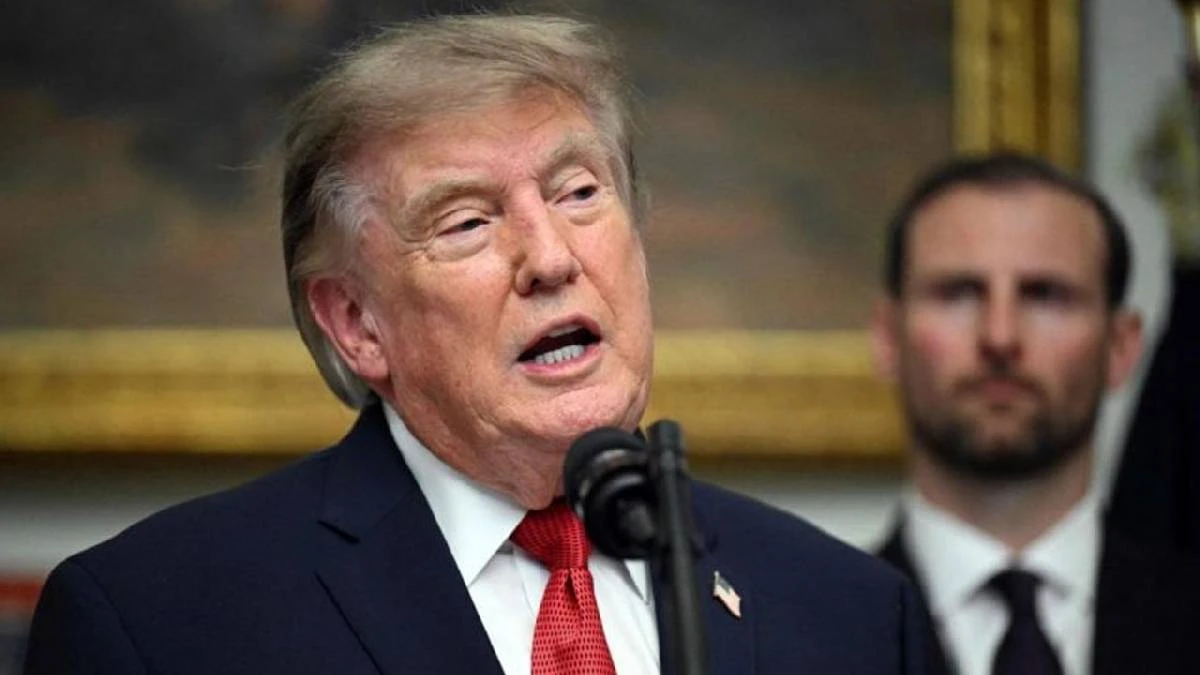
WASHINGTON, UNITED STATES — US President Donald Trump said he does not expect Russia to attack NATO territory, publicly playing down concerns that Moscow could test the alliance despite reports of a recent US intelligence warning to Russian officials.
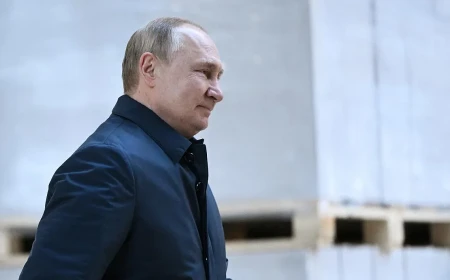
Speaking to reporters in the Oval Office on August 27, Trump said his conversations with Russian President Vladimir Putin had been productive and expressed confidence that Moscow would not launch an attack against a NATO member. His comments came after multiple reports said CIA Director John Ratcliffe had travelled to Moscow to warn Russian officials against possible escalation involving NATO, particularly the Baltic states.
“He’s not going to attack a NATO territory,” Trump said.
The president’s reassurance contrasts with concerns reported by US and European intelligence sources about Russian activities aimed at testing NATO’s cohesion or increasing pressure on countries supporting Ukraine.
Trump says his talks with Putin were productive
Trump presented his assessment as based in part on his own interactions with Putin.


Asked about the possibility of Russia attacking NATO territory, the president said he did not expect such a move and referred to what he described as productive conversations with the Russian leader.
Reuters reported that Trump had made a similar assessment earlier the same day in a telephone interview with Axios, saying there would be no Russian attack on a NATO country.
The remarks offer one of the clearest recent statements from Trump about how he assesses the risk of direct confrontation between Russia and the Western alliance.


However, the president did not publicly detail what intelligence or commitments from Moscow supported his confidence.
NATO’s collective defense principle, contained in Article 5 of the North Atlantic Treaty, treats an armed attack against one member as an attack against all.
Any direct Russian attack on NATO territory would therefore carry the risk of a much broader military confrontation.
CIA director’s Moscow trip drew scrutiny
Trump’s comments followed intense attention surrounding CIA Director John Ratcliffe’s unusual visit to Moscow earlier in the week.
RFE/RL reported that Ratcliffe travelled to Moscow on August 25 in what sources familiar with the trip described as an effort to warn Russia against attacking NATO countries, with particular attention to Estonia, Latvia and Lithuania.
The three Baltic countries are NATO members and have repeatedly raised concerns about Russian military and hybrid activity along the alliance’s eastern flank.
Ratcliffe’s trip was his first publicly known visit to Russia since becoming CIA director under Trump.
Russian Foreign Intelligence Service chief Sergei Naryshkin confirmed that he met Ratcliffe and described their contact as a working-level meeting involving sensitive issues, without publicly detailing the agenda.
The visit attracted particular attention because direct meetings between senior US and Russian intelligence officials remain relatively rare amid the continuing war in Ukraine and wider tensions between Moscow and NATO.
Trump disputes reports of a specific warning
Trump sought to reduce the significance of Ratcliffe’s trip.
According to Reuters, he told Axios that the CIA director had not been sent to Moscow to carry a particular warning and described such intelligence contacts as periodic rather than extraordinary.
Trump said Ratcliffe and his Russian counterpart maintained a relationship and suggested meetings between senior intelligence officials could occur every six months or once a year.
That account differs from reports citing officials and diplomats who said the trip was used to communicate concern about possible Russian action against NATO states.
RFE/RL reported that Baltic officials had been informed in advance of Ratcliffe’s visit and that the warning was particularly relevant to the security of Estonia, Latvia and Lithuania.
The conflicting descriptions do not necessarily establish that one side’s account is false. Intelligence meetings often involve several subjects, while governments may choose not to publicly disclose their most sensitive messages.
Baltic states remain focused on deterrence
The security of NATO’s Baltic members has become one of the alliance’s most closely watched issues.
Estonian Foreign Minister Margus Tsahkna told RFE/RL that the strongest deterrent was a united NATO and a clear message that the alliance would defend all allied territory.
Estonia, Latvia and Lithuania share either borders or close geographic proximity with Russia and have expanded defense preparations since Moscow’s full-scale invasion of Ukraine in 2022.
RFE/RL reported that Baltic officials had also raised concerns about airspace violations, drone incidents, sabotage, electronic warfare and other forms of so-called gray-zone or hybrid activity that remain below the threshold of a conventional invasion.
Reuters similarly noted that US and European intelligence agencies have monitored Russian sabotage and gray-zone operations in Europe that could weaken NATO unity without triggering an immediate full-scale military confrontation.
There is, however, no publicly confirmed intelligence assessment showing that a conventional Russian attack on NATO territory is imminent.
Russia-Iran ties also raised sanctions questions
Trump was also questioned about Russia’s relationship with Iran and reported discussions involving Tehran’s nuclear program.
According to Anadolu Agency’s account of the Oval Office remarks, Trump left open the possibility of sanctions against Moscow depending on the circumstances surrounding Russia-Iran contacts.
Asked whether sanctions would be imposed, he said the decision would depend on developments.
Trump was also challenged over why Washington had not publicly announced sanctions on Chinese banks accused of maintaining close financial links with Iran.
He responded by suggesting that not every US government action had to be disclosed publicly.
The exchange highlighted the wider geopolitical context surrounding Washington’s relationship with Moscow: Russia policy is increasingly intertwined with the war in Ukraine, NATO security and Moscow’s ties with Iran.
Kremlin rejects fears of an attack on NATO
Moscow has publicly dismissed suggestions that it is preparing a conventional assault on NATO territory.
Kremlin spokesman Dmitry Peskov responded to reports surrounding Ratcliffe’s visit by describing such warnings as scare stories that did not reflect reality.
Russia has repeatedly denied plans to attack NATO countries, even as Western governments have increased defense spending and reinforced the alliance’s eastern flank.
At the same time, Russian officials have issued increasingly sharp warnings toward NATO states supplying long-range weapons to Ukraine.
That combination — public denials of plans for a NATO attack alongside threats of retaliation against Western military support — has contributed to uncertainty about Moscow’s long-term intentions.
Trump’s reassurance does not end the NATO debate
Trump’s statement offers political reassurance from the White House, but it does not resolve the broader disagreement over how NATO governments should assess Russia’s future intentions.
The president says Putin will not attack NATO territory and has portrayed Ratcliffe’s Moscow visit as largely routine.
By contrast, several reports citing intelligence officials and diplomats say Washington wanted Moscow to understand that any attempt to test NATO’s collective defense would carry serious consequences.
For the Baltic states, the focus remains on deterrence rather than predicting whether an attack will occur.
The central question is therefore not only whether Russia currently intends to launch a conventional attack, but whether NATO can maintain enough military and political unity to prevent Moscow from miscalculating.
For now, Trump’s position is clear: despite the intelligence warnings and continuing tensions over Ukraine, he believes Putin will stop short of attacking NATO territory.
WiseNewsPress.com
What's Your Reaction?
 Like
0
Like
0
 Dislike
0
Dislike
0
 Love
0
Love
0
 Funny
0
Funny
0
 Wow
0
Wow
0
 Sad
0
Sad
0
 Angry
0
Angry
0

Ahmet Taş is a journalist, editor and Turkey Office Manager of the Wise News Press Media Group. He works across news, digital media and international publishing, focusing on accurate, responsible and accessible journalism. He contributes to the development of media projects that bring important political, social and global developments to a wider international audience.













Comments (0)