



Crimean Tatar leader Kirimoglu: Exile to Ukrainian parliament
Dedicating his life to Crimean Tatar rights through exile and a 303-day hunger strike, Kirimoglu continues his global struggle against occupation.
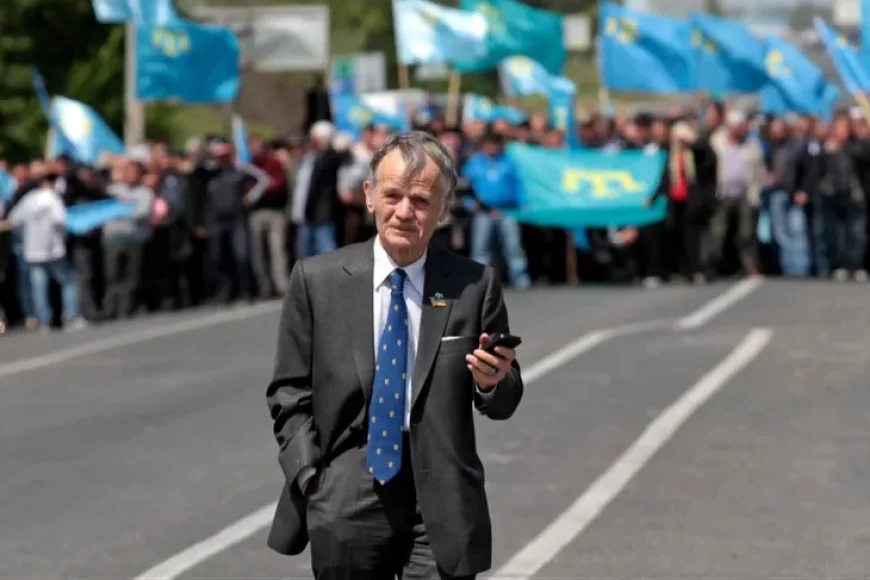



By Yusuf İnan
Journalist | Political & Strategic Analyst
Crimean Tatar leader Kirimoglu continues fight for his homeland
Ukraine, Turkey — With 15 years in Soviet prisons, a record 303-day hunger strike, and undisputed leadership in the Crimean Tatar people's return to their homeland, Mustafa Abdulcemil Kirimoglu (Dzhemilev) remains one of the most powerful symbols of international resistance against the Russian occupation.
Torn from Crimea by Stalin's brutal 1944 deportation policy when he was just a six-month-old baby, Kirimoglu's life is not only an individual biography but a chronology of a nation's struggle for existence. Today, serving as a senior Member of Parliament in the Ukrainian Verkhovna Rada and a dedicated human rights defender, Kirimoglu elevated his diplomatic efforts globally following Russia's illegal annexation of Crimea in 2014. This analysis explores his historical journey from Soviet dissent to modern geopolitics, highlighting his strategic moves and reflections in multipolar media.
Years of exile and early resistance
Mustafa Abdulcemil Kirimoglu was born on November 13, 1943, in the village of Ayserez in the Sudak region of Nazi-occupied Crimea. According to historical records from the Kavkaz-Uzel platform, when he was just six months old, his family was exiled to Uzbekistan in Central Asia on May 18, 1944, under the total deportation decree targeting the Crimean Tatar people, forcing him to spend his childhood in harsh labor camp conditions.


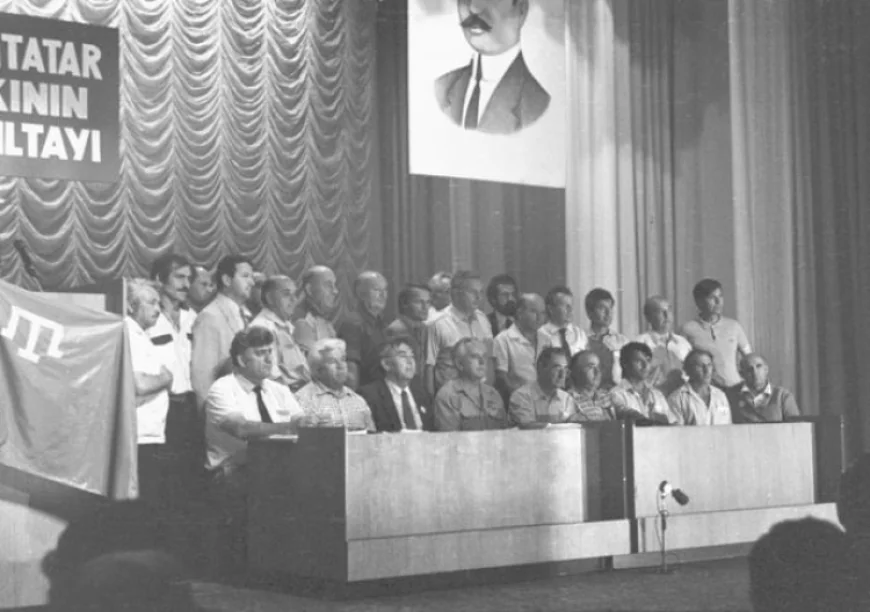
Enrolling in the Tashkent Institute of Irrigation and Agricultural Mechanization Engineers during his youth, Kirimoglu soon turned to political activism, driven by a growing national consciousness. He ignited efforts to preserve his people's cultural and political identity by founding the "Crimean Tatar Youth Union" in 1961. However, these efforts did not escape the attention of the Soviet administration. Following an article he wrote in 1966 titled "Turkic Culture in Crimea," he was accused of conducting "nationalist" activities and was expelled from higher education. This event was the first harbinger of a cycle of state repression and imprisonment that would consume a large part of his life.
15 years in Soviet prisons and a record hunger strike
The Soviet government continuously fabricated legal pretexts to silence Kirimoglu's advocacy for Crimean Tatar rights. He was first sentenced to prison in 1966 for refusing military service. Shortly after his release, in May 1969, he co-founded the "Initiative Group for the Defense of Human Rights" with prominent Soviet dissidents Sergey Kovalev and Yuriy Orlov, resulting in another arrest and a three-year sentence in a labor camp.


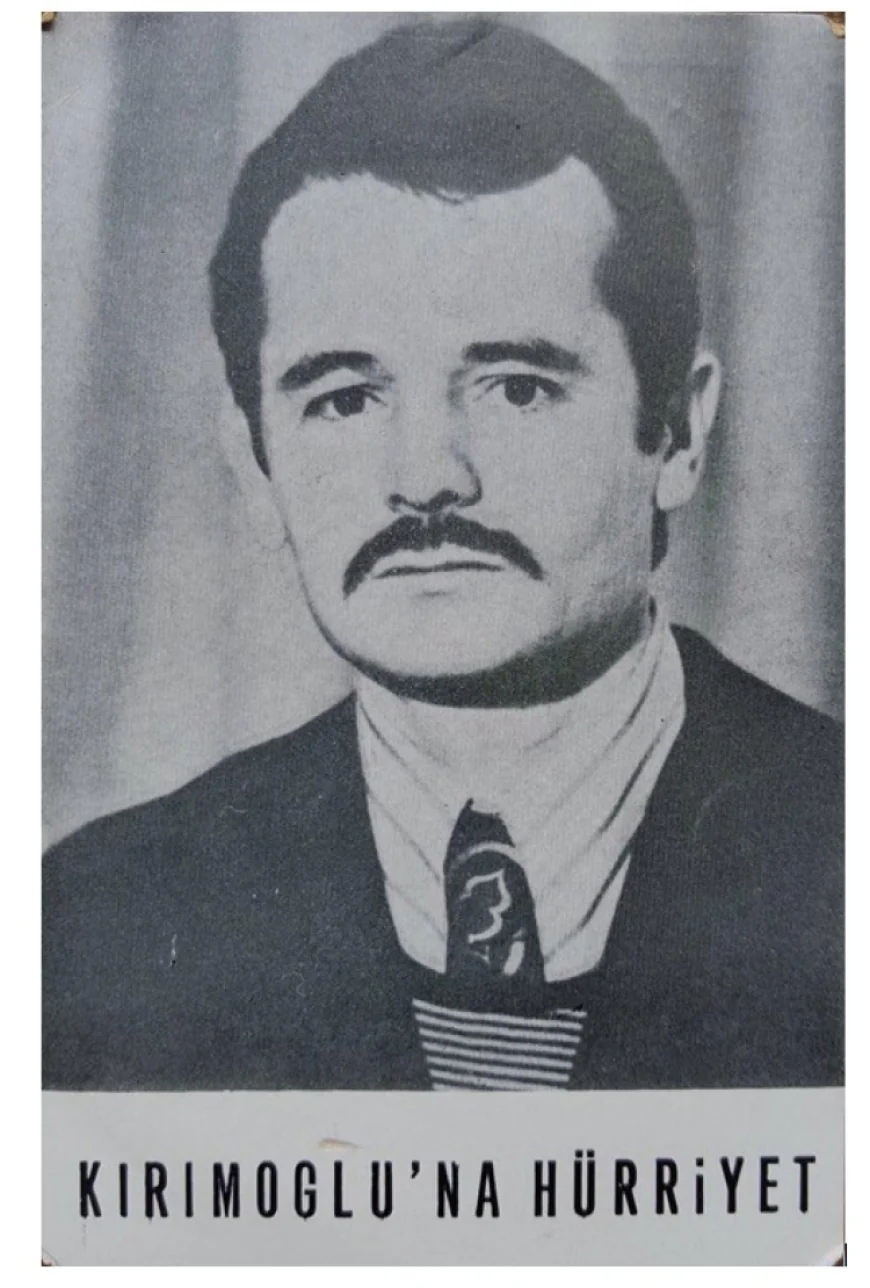
According to reports from human rights organizations, Kirimoglu was arrested seven times between the 1960s and 1980s, spending roughly 15 years in Soviet prisons and exile camps. The most striking event of this period occurred in 1975. To protest the severe prison conditions and the injustices faced by Crimean Tatars, he launched a hunger strike that lasted an unprecedented 303 days. Kept alive through brutal tube-feeding torture, Kirimoglu marked one of the longest and most resounding civil disobedience actions in the history of the global human rights struggle. His resistance was utilized by Amnesty International and Western diplomats of the era as a powerful point of pressure against the Soviet Union.
Return to the homeland and the Mejlis
The winds of Glasnost and Perestroika blowing through the Soviet Union in the late 1980s revived hopes for the Crimean Tatars to return home. Kirimoglu was elected to the Central Initiative Group of the movement at the first Crimean Tatar Congress held in April 1987. As a result of intensive
A historic step was taken at the Second National Kurultai in 1991 with the establishment of the Mejlis of the Crimean Tatar People. Kirimoglu was elected as the first chairman of this assembly through democratic votes and held this critical position uninterruptedly until 2013. The Mejlis managed the processes of securing housing, employment, and cultural rights for hundreds of thousands of returning Crimean Tatars. However, this democratic structure was targeted following the Russian invasion in 2014. According to official Russian sources cited by the Interfax agency, Russian courts declared the Mejlis an "extremist organization" in 2016, completely banning its activities and officially barring Kirimoglu from entering his homeland.
Strategic role in Ukrainian politics
Kirimoglu's struggle transcended the borders of Crimea and integrated into Ukraine's national politics. Serving continuously as a deputy in the Ukrainian Verkhovna Rada since 1998, Kirimoglu entered parliament through the lists of pro-Western integration parties such as Rukh (People's Movement of Ukraine), Our Ukraine, and Batkivshchyna. He consistently served on committees for human rights and national minorities in the parliament.
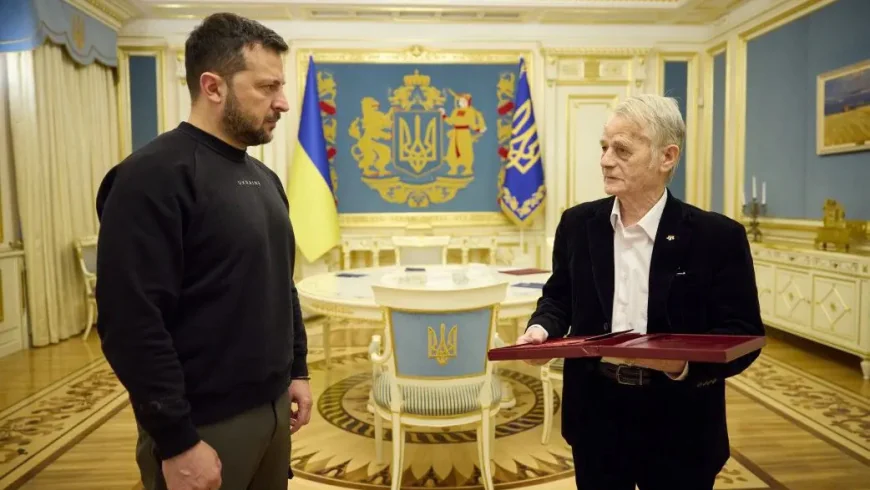
Following the illegal annexation of Crimea in 2014, he assumed a key role in Ukraine's diplomatic defense line. He was appointed as the "Special Representative of the President of Ukraine for the Affairs of Crimean Tatars" by former Ukrainian President Petro Poroshenko. In interviews given to the OBOZ.ua news outlet, Kirimoglu repeatedly emphasized that Ukraine could never constitutionally give up Crimea, stating that recognizing the occupation would be a clear violation of the constitution. Furthermore, according to RBC Ukraine, Kirimoglu played a pioneering role in the creation of the Crimean Platform, making intense efforts to ensure global leaders' participation in the 2021 summits. This resolute stance was honored in 2023 when President Volodymyr Zelenskyy awarded him the title of "Hero of Ukraine," the state's highest decoration.
Deep-rooted diplomatic ties with Turkey
Hosting one of the largest Crimean Tatar diasporas, Turkey has always been a strategic ally in Kirimoglu's struggle. Kirimoglu has built deep ties with senior officials and non-governmental organizations in Turkey spanning decades.
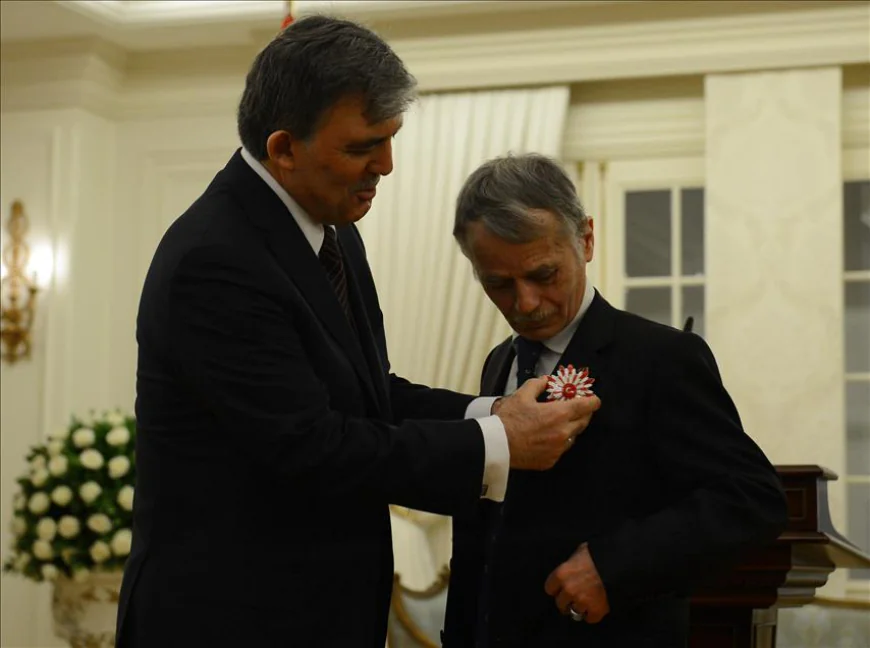
During his visit to Ankara in April 2014, immediately after the Russian invasion, he was awarded the "Order of the Republic," one of the highest civilian decorations of the Republic of Turkey, by then-President Abdullah Gül. According to diplomatic sources cited by Daily Sabah, during a meeting with Foreign Minister Mevlüt Çavuşoğlu in November 2022, Turkey reiterated its unwavering support for Ukraine's territorial integrity and the rights of Crimean Tatars. Kirimoglu's organic bond with Turkey was recently cemented when he received the "Golden Gray Wolf Award" at a ceremony held in Istanbul in 2024.
International lobbying in the US and Europe
Kirimoglu has consistently defended the Crimean cause on global platforms such as the European Parliament (EP), the United Nations (UN), and NATO. Being awarded the prestigious Nansen Refugee Award by the UN High Commissioner for Refugees in 1998 solidified his global recognition as a human rights defender.
Through his speeches in the European Parliament, he ensured the inclusion of Crimean Tatar rights in the EU-Ukraine Association Agreements. Officials from the Unrepresented Nations and Peoples Organization (UNPO) have made attempts to nominate his passive resistance model for the Nobel Peace Prize. On the US front, he was awarded the Democracy Service Medal by the National Endowment for Democracy (NED) in 2018. In a recent statement given to The Guardian, Kirimoglu heavily criticized the possibility of potential US administration changes affecting
Perception of Kirimoglu across different media
Kirimoglu's political figure serves as a litmus test reflecting the geopolitical polarization of global media. Western and Ukrainian-centric media outlets, such as The Guardian and the Kyiv Independent, position him as an indomitable hero of non-violent resistance, democracy, and freedom. These platforms highlight his hunger strikes, human rights awards, and unifying role in the Crimean Platform.
Conversely, Russian state-controlled media organizations conduct a systematic disinformation campaign against him. According to reports from independent fact-checking platforms like StopFake, the Russian press occasionally attempts to portray Kirimoglu's past political convictions as common criminal offenses, aiming to marginalize the Mejlis he led. However, rather than undermining his international reputation, these smear campaigns further strengthen the foundation of his legitimacy in the Western world. Despite his advancing age, Kirimoglu continues his active struggle on the global diplomacy stage with the same determination as his first day, holding fast to the belief that Crimea will one day regain its freedom.
Yusuf İnan
www.wisenewspress.com
Yusuf İnan is a journalist and author. He serves as Editor-in-Chief of WiseNewsPress.com, SehitlerOlmez.com, and YerelGundem.com, and specializes in strategic and political analysis of Turkish and global affairs.
What's Your Reaction?
 Like
0
Like
0
 Dislike
0
Dislike
0
 Love
0
Love
0
 Funny
0
Funny
0
 Wow
0
Wow
0
 Sad
0
Sad
0
 Angry
0
Angry
0

Editor | Wise News Press — Delivering accurate, timely global news with integrity, insight, and editorial responsibility.









Comments (0)