



EU leaders condemn Russia’s Oreshnik missile strike on Kyiv
European leaders condemned Russia’s use of the Oreshnik missile in its latest attack on Kyiv, calling it a dangerous escalation and a reckless nuclear gamble.


By Yusuf İnan | Wise News Press
ANKARA, Turkey — European leaders sharply condemned Russia after Moscow confirmed it used the Oreshnik intermediate-range ballistic missile in a heavy attack on Kyiv.
Ukrainian President Volodymyr Zelenskyy said on Sunday that Russia had again used the Oreshnik missile, this time against the Ukrainian capital. Russia’s Defense Ministry later confirmed the launch, claiming it was carried out in retaliation for alleged Ukrainian attacks on “civilian targets.” Kyiv rejected Moscow’s claim.
The use of the Oreshnik missile drew strong international attention because Russia says the system can strike targets across much of Europe. European officials described the launch as a dangerous escalation and a sign that the Kremlin is trying to compensate for military failure by threatening civilians and increasing nuclear pressure.
European leaders react to Oreshnik strike
Germany, France and European Union institutions all issued strong responses after Russia’s use of the missile.
German Chancellor Friedrich Merz condemned the attack in a post on X, describing it as a “reckless escalation.” He also reiterated Germany’s support for Ukraine.


French President Emmanuel Macron also denounced Russia’s latest strikes, saying civilian targets in Ukraine had once again been hit. Macron said the use of the nuclear-capable Oreshnik missile was both a sign of Russia’s deadlock in the war and a dangerous escalation of the conflict.
Macron added that France would continue supporting Ukraine and contributing to efforts toward a just and lasting peace.
Kallas calls it a reckless nuclear gamble
EU foreign policy chief Kaja Kallas described the attacks as “horrific acts of terror” against Ukraine’s civilian population.


Kallas argued that Russia has reached a military deadlock and is therefore deliberately targeting urban centers. She said the use of the Oreshnik missile was particularly alarming and called it a “reckless nuclear gamble.”
Her remarks show that European officials do not view the Oreshnik merely as another ballistic missile. For Brussels, the weapon also carries a strategic message linked to nuclear intimidation.
EU foreign ministers are expected to discuss additional ways to increase pressure on Russia next week.
Von der Leyen: Terror is not strength
European Commission President Ursula von der Leyen also condemned Russia’s mass attack.
Von der Leyen said the strike exposed “the Kremlin’s brutality” and its disregard for human life and peace negotiations. She argued that terror against civilians is not a show of strength, but a sign of desperation.
The Commission chief said the European Union would continue supporting Ukraine, particularly by helping strengthen the country’s air defense systems.
Her statement reflects Kyiv’s long-standing request for additional air defense systems and ammunition, which has become even more urgent after repeated Russian mass strikes involving drones, cruise missiles and ballistic weapons.
Why the Oreshnik missile matters
The first known use of the Oreshnik missile took place in 2024 during an attack on the Ukrainian city of Dnipro. Since then, the system has become one of the Kremlin’s most closely watched military projects.
Russian President Vladimir Putin has described the Oreshnik as an advanced ballistic missile. Moscow says it is an intermediate-range system capable of striking targets between 3,000 and 5,500 kilometers away.
Russian military officials claim that this range places much of Europe within reach. Belarus is also believed to have access to the missile system.
That is why the renewed use of Oreshnik in Ukraine is being interpreted not only as an attack on Kyiv, but also as a strategic signal to European capitals.
Kyiv hit in large-scale assault
The Oreshnik launch was part of a broader Russian assault overnight.
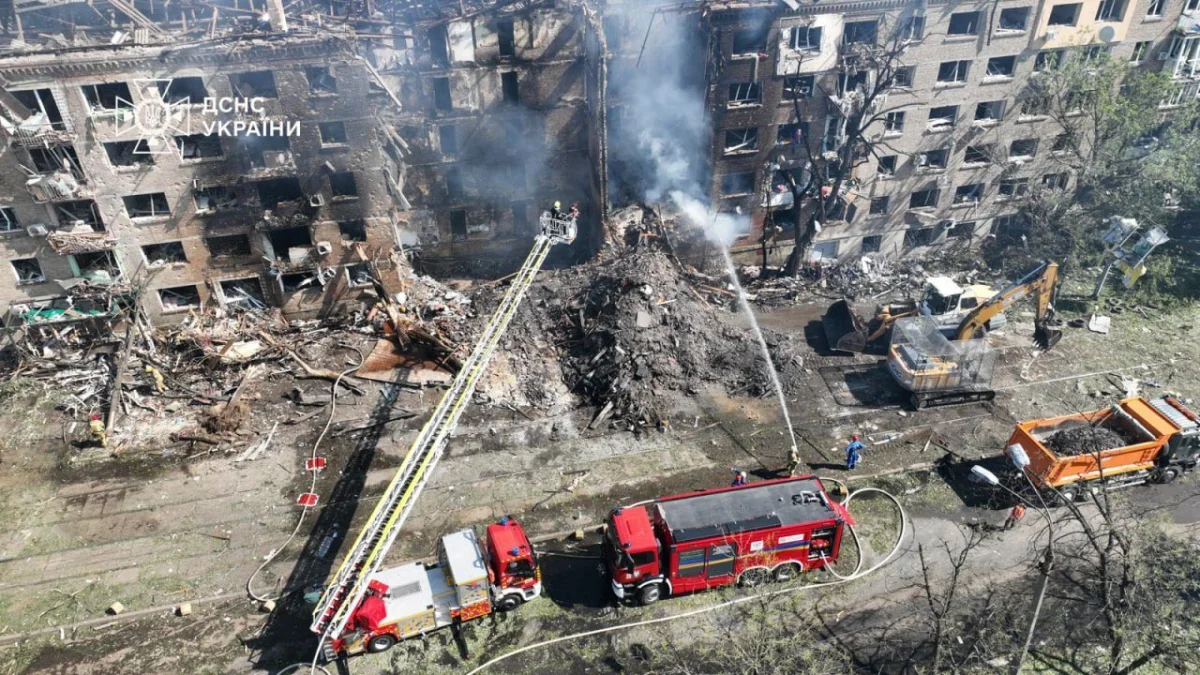
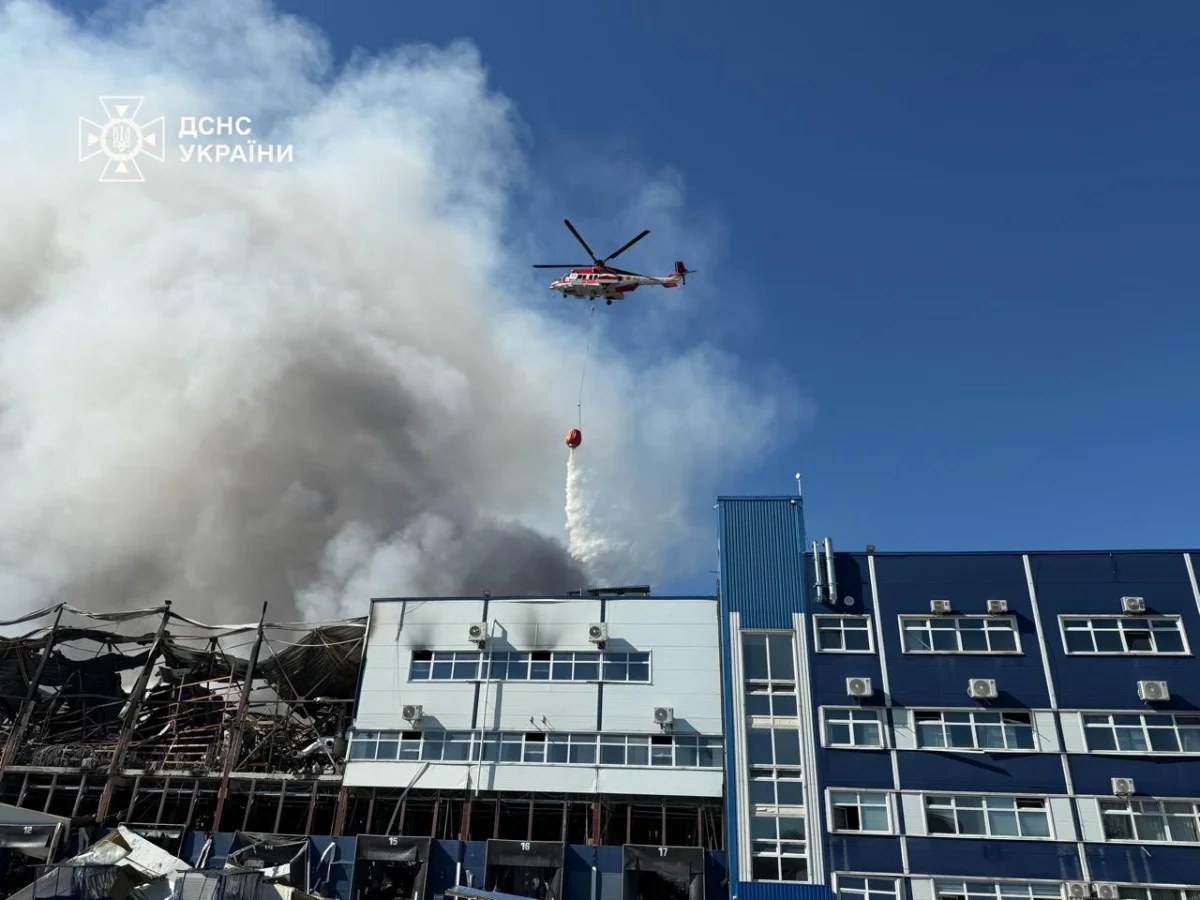
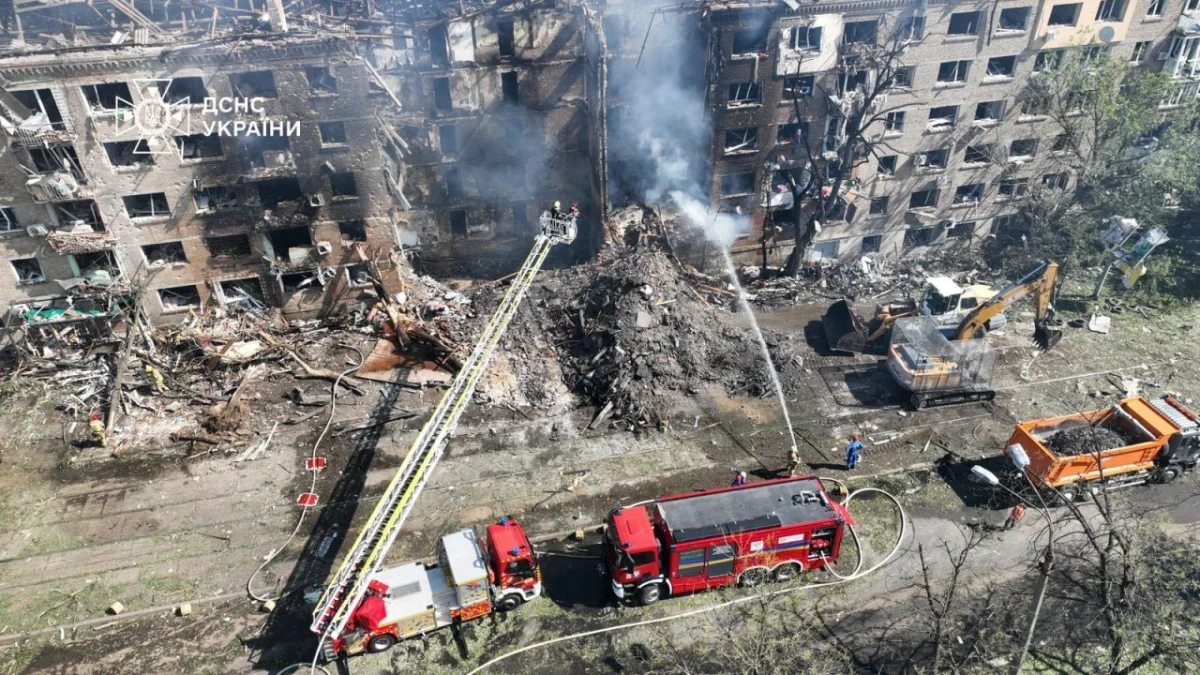
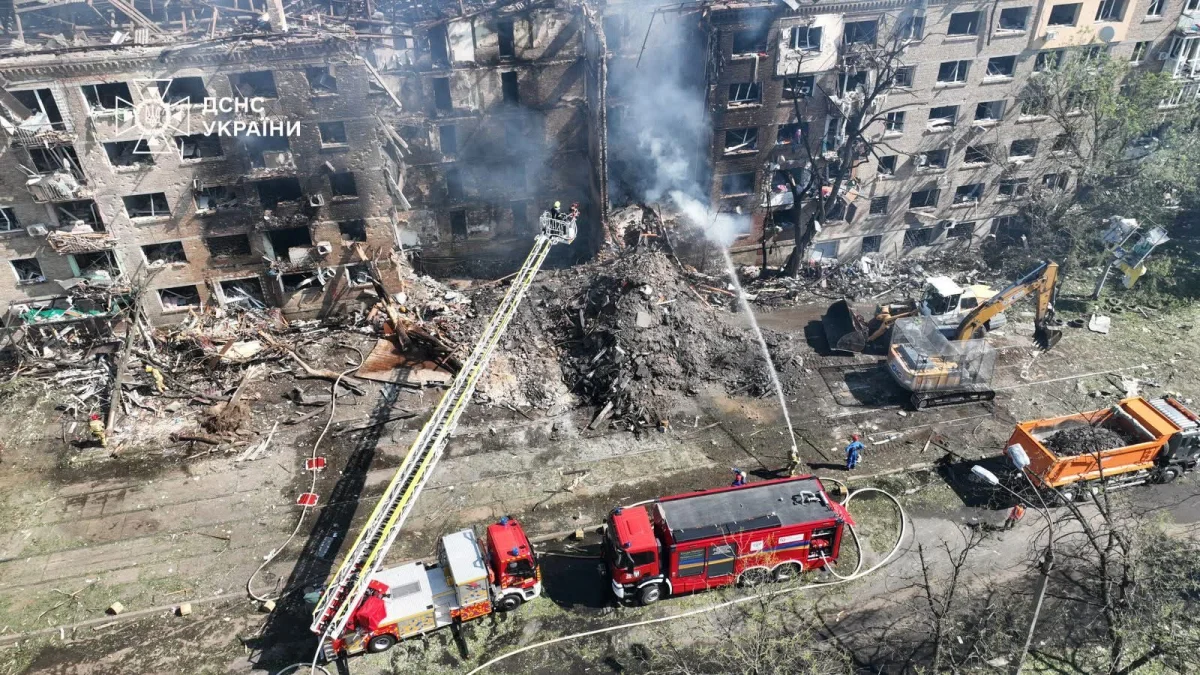
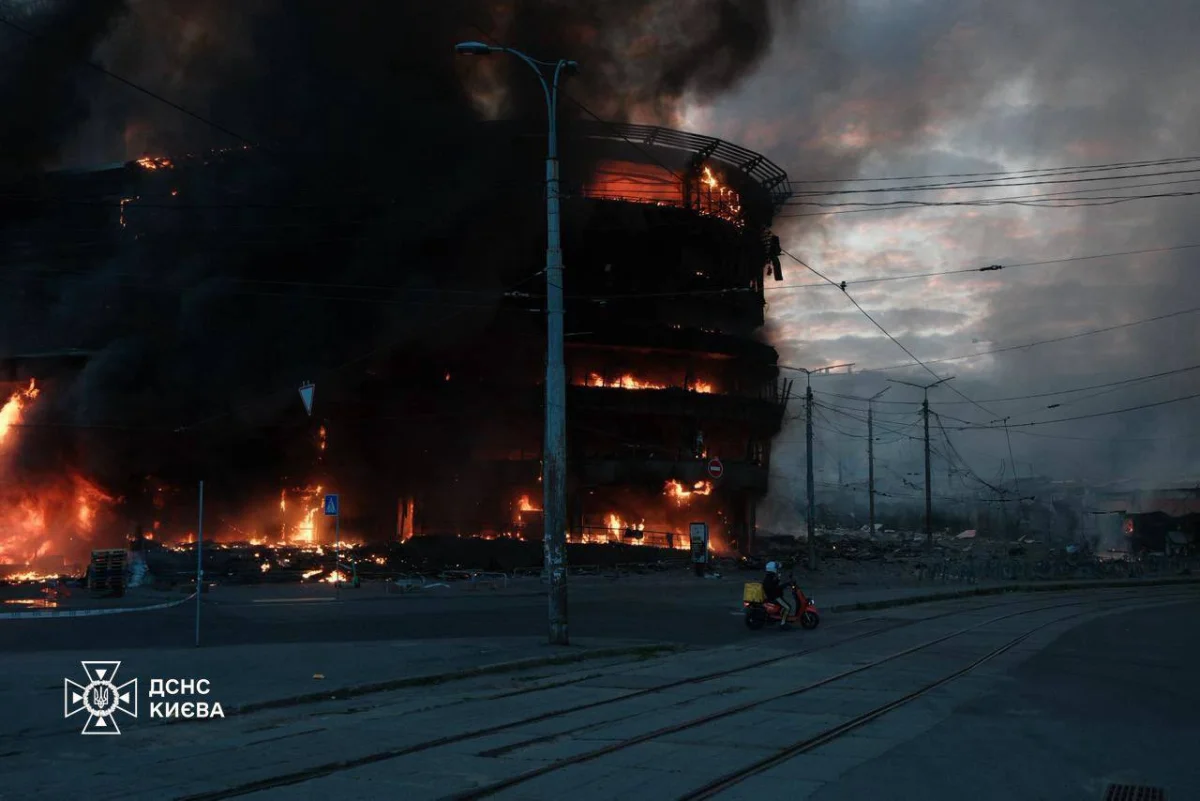
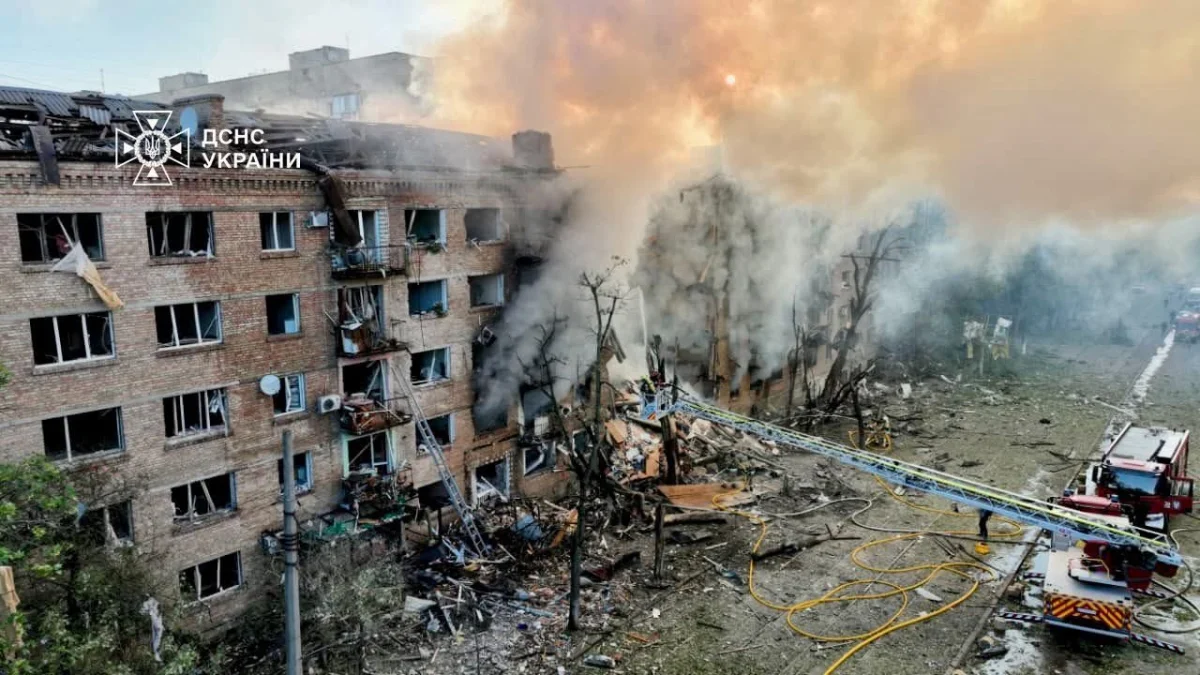
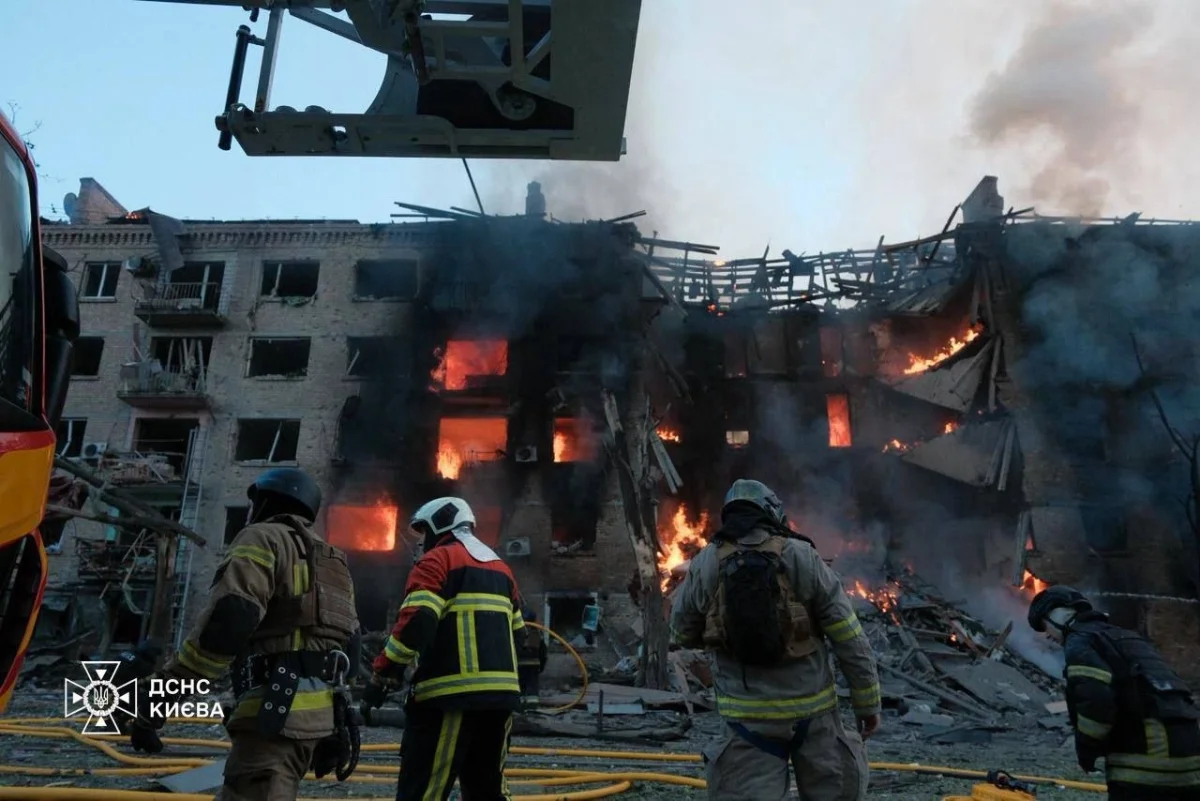
According to the Ukrainian Air Force, Moscow launched around 600 unmanned aerial vehicles, along with 90 missiles and cruise missiles. Many of the targets were intercepted by Ukrainian air defense systems, but dozens of impacts were still reported.
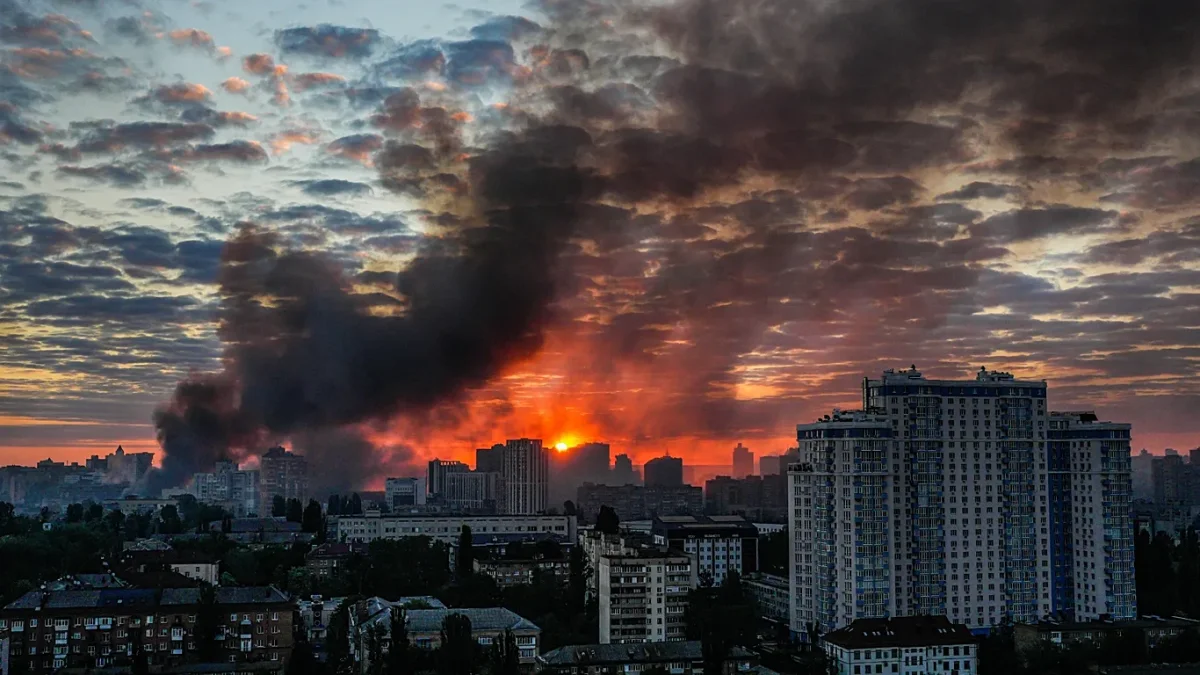
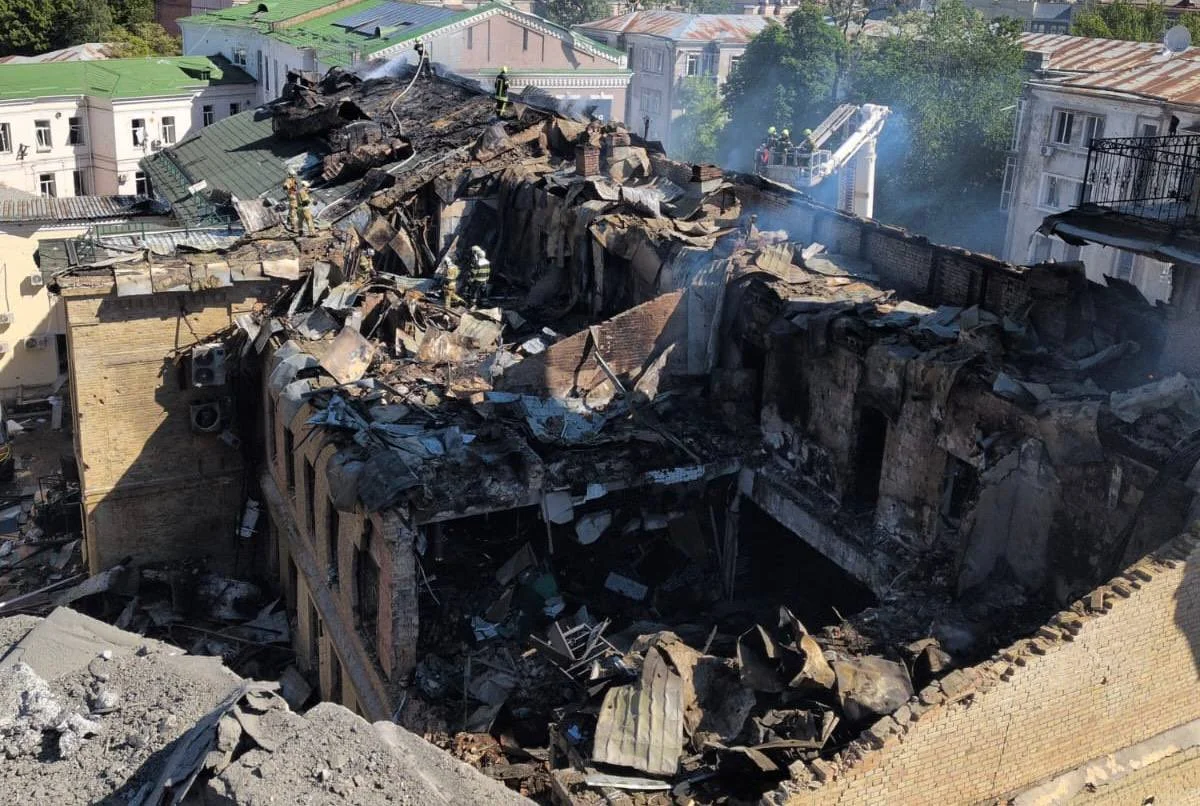
Kyiv was among the areas hit hardest. Smoke rose over the city at sunrise after the Russian attack. Residential buildings, infrastructure and civilian facilities were damaged.
The scale of the assault suggests that Moscow was trying to exhaust Ukraine’s air defenses, pressure civilians and send a military signal to Europe.
ARD studio damaged in Kyiv
Among the damaged sites was the Kyiv studio of German public broadcaster ARD.
According to the broadcaster, the studio suffered heavy damage and was partially destroyed. The destruction was likely caused by a massive blast wave. Windows were shattered and part of the studio was left unusable.
No one was injured because no staff members were inside the building at the time of the attack.
The damage to the office of a major European media organization added another international dimension to the strike and drew further attention from European governments and media groups.
A warning for European security
The renewed use of Oreshnik is being viewed as a fresh warning for Europe’s security architecture.
Russia is using the missile to send a message about range, escalation and nuclear-capable systems. European leaders, however, argue that the move does not demonstrate strength, but rather shows the Kremlin’s frustration and inability to achieve its military goals.
For European capitals, the central question is whether Moscow will use such systems more frequently and how this will affect NATO and EU policy toward Ukraine.
Kyiv, meanwhile, is calling for more air defense, stronger sanctions and tougher international measures to restrict Russia’s ability to continue the war.
Pressure on Moscow may increase
The statements from EU leaders suggest that additional pressure on Russia could return to the top of the European agenda in the coming days.
Kallas’ comment that EU foreign ministers will discuss ways to increase pressure on Russia indicates that new sanctions or tighter enforcement of existing restrictions could be considered.
For Europe, the issue is no longer only about supporting Ukraine. The use of systems such as Oreshnik shows that Russia is turning the war into a direct challenge to the continent’s broader security order.
The latest attack on Kyiv is therefore being read in European capitals not only as another development in the Ukraine war, but as a strategic warning about the future of European security.
Ukraine seeks stronger air defenses
For Ukraine, the immediate priority remains the protection of its skies.
Russian mass attacks often combine drones, cruise missiles, ballistic missiles and other weapons to overwhelm air defenses. The reported use of Oreshnik adds another layer of danger because of the missile’s range and strategic significance.
Ukrainian officials have repeatedly urged partners to speed up the delivery of air defense systems and interceptor missiles.
European leaders’ statements after the latest attack suggest that Kyiv’s request may receive renewed attention, especially as Russian strikes increasingly affect civilian districts, cultural sites, infrastructure and even foreign media offices.
Oreshnik changes the political message of the war
The Oreshnik missile is important not only because of its military capabilities, but also because of the political signal it sends.
By using a system that Russia presents as capable of striking deep into Europe, Moscow is attempting to create fear beyond Ukraine’s borders. But the reaction from European leaders suggests that the move may have the opposite effect.
Instead of weakening European support for Ukraine, the attack has strengthened calls for more air defense, more sanctions and more pressure on Russia.
For Kyiv and its partners, the message is increasingly clear: Russia’s escalation must not be rewarded, and the use of nuclear-capable systems must bring stronger international consequences.
What's Your Reaction?
 Like
0
Like
0
 Dislike
0
Dislike
0
 Love
0
Love
0
 Funny
0
Funny
0
 Wow
0
Wow
0
 Sad
0
Sad
0
 Angry
0
Angry
0

Editor | Wise News Press — Delivering accurate, timely global news with integrity, insight, and editorial responsibility.














Comments (0)