



From the "February Eclipse" to the Cabinet: A Sociological Analysis of Kübra Güran Yiğitbaşı
From the "Spiral of Silence" to state leadership, Doç. Dr. Kübra Güran Yiğitbaşı’s appointment as Deputy Interior Minister marks a historic sociological milestone.
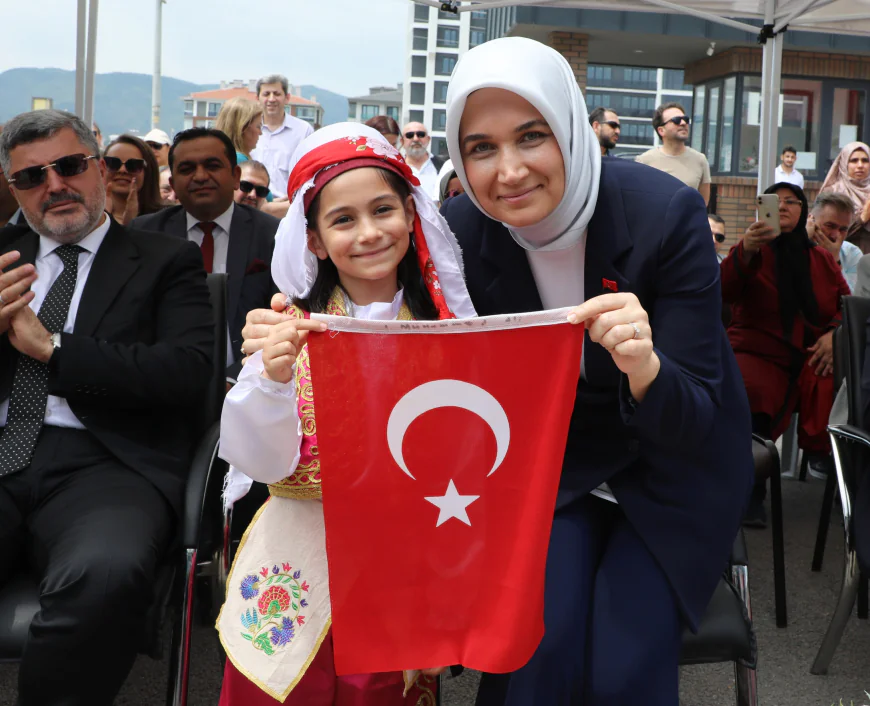


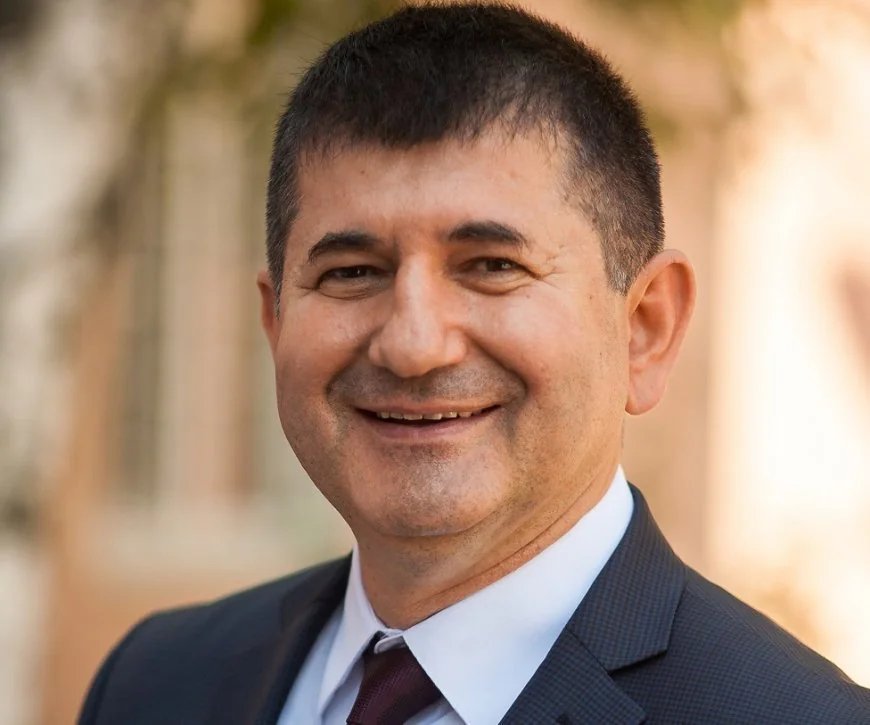
By Yusuf İnan
Journalist | Political & Strategic Analyst
Doç. Dr. Kübra Güran Yiğitbaşı, who previously made history as Turkey’s first headscarved provincial governor in Afyonkarahisar, has been appointed as the Deputy Minister of Interior following a decree published in the Official Gazette on February 20, 2026. This appointment represents far more than a routine bureaucratic transition; it is a profound sociological analysis of an academic’s ascent from the "Spiral of Silence" of the 28 February era to the leadership of one of the state’s most critical institutions. Yiğitbaşı’s journey serves as a bridge of memory, stretching from the cognitive dissonance felt in the corridors of Nişantaşı to the honorable legacy of her grandfather, Hafız Ali Hoca, at the Maltepe Mosque.
Realized under the signature of President Recep Tayyip Erdoğan, this appointment stands as the most prominent feature of a comprehensive reshuffle within the Ministry of Interior.
A New Era in Bureaucracy and Ministry Reshuffle
The reorganization within the Ministry of Interior saw the dismissal of Münir Karaloğlu, Mehmet Sağlam, and Mehmet Aktaş, whose vacant deputy ministerial posts have been filled by Kübra Güran Yiğitbaşı alongside Hakkari Governor Ali Çelik and Mehmet Cangir. Yiğitbaşı’s move from the Afyonkarahisar Governorship to the central ministry administration is regarded as a strategic fusion of her deep academic background and her extensive field experience.
Joining the team of the newly appointed Minister Mustafa Çiftçi, Yiğitbaşı will take an active role in the ministry’s social communication and internal security policies, leveraging her expertise in persuasive communication and political message design.
The "Spiral of Silence" and an Existential Struggle
Yiğitbaşı’s life story serves as a summary of the heavy psychological climate created by the 28 February era. Entering the elite academic environment of Nişantaşı for her doctoral interview, she experienced a profound "cognitive dissonance"—a manifest gap between the sharp scent of bleach on her hands from household chores and the world of high academia. The "Spiral of Silence" theory, which describes the suppression of one’s views due to a fear of social isolation, was not merely an exam question for Yiğitbaşı; it was the theoretical reality of the marginalization she lived.
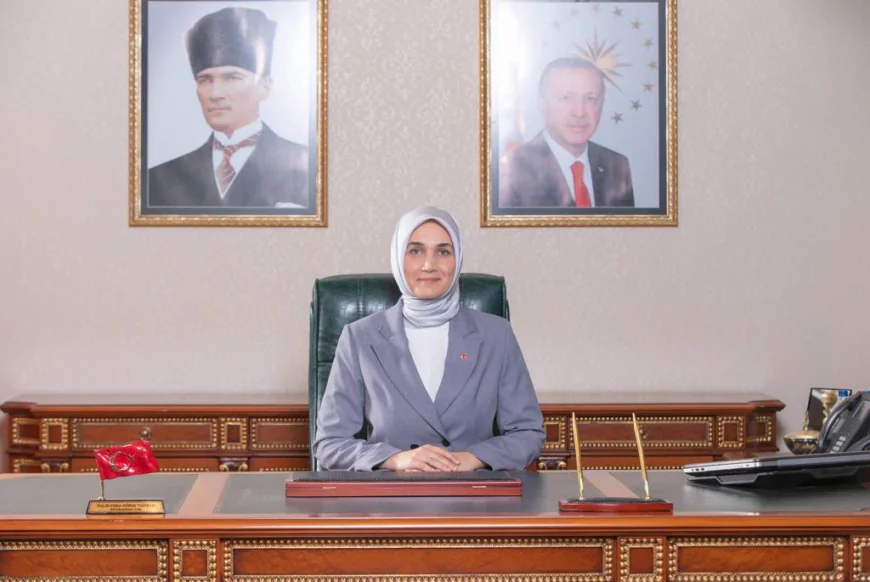
Her decision to describe this very theory during her doctoral interview—effectively depicting her own suppression and the silencing of her voice under societal pressure—was a testament to the sincerity that underpins her academic success. The fact that she was forced to wait ten long years after graduation to enter the field was a direct consequence of being pushed into the category of a "non-preferred citizen" during that period.
The Legacy of Hafız Ali Hoca and the Lesson of Secularism
The character of Yiğitbaşı was significantly shaped by the stance her grandfather, Hafız Ali Hoca, took during his tenure as the Imam of Maltepe Mosque. In the late 1960s, her grandfather refused to lead the funeral prayer for a bureaucrat who had notoriously insulted religious values—a story that, years later, Yiğitbaşı encountered in her own doctoral classes as a "case study in bigotry".
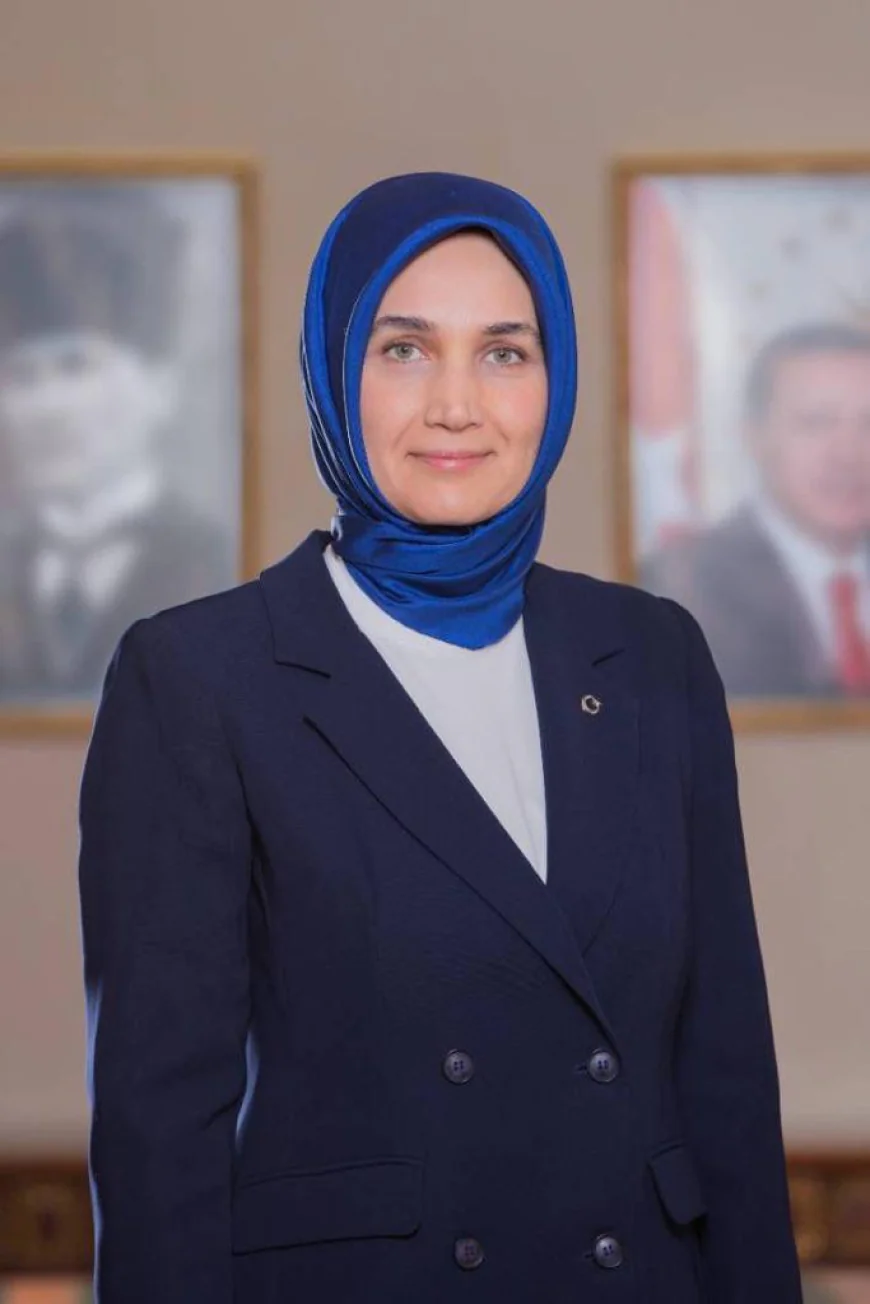
Witnessing her grandfather's honorable stand being labeled as "bigotry" within academic circles was one of the sharpest moments in Yiğitbaşı’s struggle for memory. Despite an academic structure that sought to view her graduation from Tevfik İleri Imam Hatip High School as something to be hidden, she successfully broke through this spiral without ever compromising her true identity.
From Academia to the Governorship and the Ministry
The career milestones of Kübra Güran Yiğitbaşı present a portrait of perseverance and merit:
-
Academic Foundation: A PhD and Associate Professorship at Marmara University, featuring in-depth studies on communication processes and political messaging.
-
Ministerial Experience: Demonstrated effectiveness in social policies during her tenure as Deputy Minister of Family and Social Services.
-
Historic Duty: Success in local administration as Turkey’s first headscarved governor in Afyonkarahisar, appointed in 2022.
-
New Mission: As of February 20, 2026, she assumes strategic responsibility for security, administration, and social cohesion as Deputy Minister of Interior.
A Sociological Shift and Future Projections
Yiğitbaşı’s appointment as Deputy Interior Minister marks the end of an "eclipse" that spanned from the dark February days of the late 90s to the bright February appointments of 2026. She now stands as a decision-maker within the highest levels of state administration, working in the very halls where she once only dreamed of being accepted.
Having immortalized the resistance of women against the July 15 coup attempt in her documentary Resistance of Hearts, Yiğitbaşı will now bring that spirit of resilience and academic discipline to the institutional structure of the Ministry of Interior. Her story is the most concrete evidence that those who have been silenced can find their place at the pinnacle of the state by protecting their memory and their identity.
Yusuf İnan
Yusuf İnan is a journalist and author. He serves as Editor-in-Chief of WiseNewsPress.com, SehitlerOlmez.com, and YerelGundem.com, and specializes in strategic and political analysis of Turkish and global affairs.
What's Your Reaction?
 Like
0
 Dislike
0
 Love
0
 Funny
0
 Wow
0
 Sad
0
 Angry
0

Editor | Wise News Press — Delivering accurate, timely global news with integrity, insight, and editorial responsibility.


















Comments (0)