



Shackles on Martyrs’ Legacies While Terrorist Leaders Are Offered a ‘Right to Hope’
While MHP pushes for the 'Right to Hope' for Abdullah Öcalan, the families of Turkish martyrs and disabled veterans face unprecedented judicial pressure and travel bans.
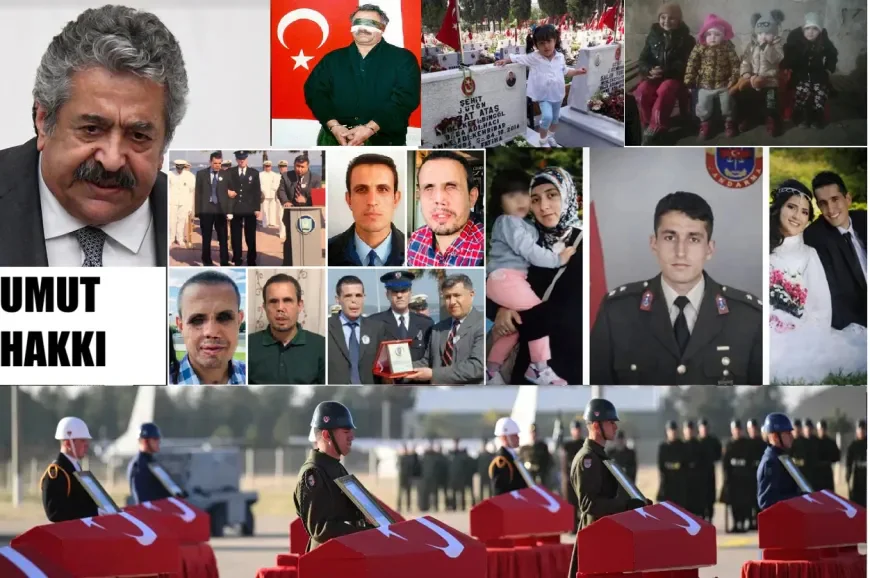


WISE NEWS PRESS / ANKARA, TURKIYE
Turkish politics is undergoing a staggering trial of law and conscience in the first month of 2026, a period likely to be remembered as the "Era of Grand Contradictions." On one side, the Nationalist Movement Party (MHP) is making vocal calls for the "Right to Hope" for Abdullah Öcalan, the head of a terrorist organization responsible for decades of bloodshed. On the other side, disabled veterans, widows of martyrs, and patriotic journalists find themselves trapped in an almost incomprehensible judicial vice.
As commissions meet in the corridors of the Grand National Assembly of Turkey (TBMM) under the banner of "National Solidarity," a single question occupies the hearts of the public and the homes of the fallen: "For whom does justice truly work?"
1. MHP’s Push for the 'Right to Hope': Feti Yıldız’s Stark Statement
On January 19, 2026, MHP Deputy Chairman Feti Yıldız set the political backstages ablaze with statements made under the roof of the TBMM. Speaking after the "National Solidarity, Brotherhood, and Democracy Commission" meeting, Yıldız stated that developments in Syria were no longer an obstacle and that the joint report was expected to reach a favorable conclusion.
However, the words that caused the most public outcry were his response to the "Right to Hope"—a legal concept that could lead to the eventual release of the life-sentenced terrorist leader Öcalan. Yıldız stated, "The Right to Hope is something we have been advocating from the very beginning. What matters is that we are the ones expressing it," presenting the nationalist party's leadership on this issue as a point of pride.
2. A Bleeding Contradiction: Martyr Murat Ataş and His Orphaned Daughter
While "Right to Hope" negotiations take place at the heights of politics, a tragedy is unfolding in the legal labyrinths of real life. The situation of Martyr First Lieutenant Murat Ataş reveals the irony of the current system in all its nakedness:


-
Banned in the Grave: Nine years after his burial, Martyr Murat Ataş was designated a "terror suspect," resulting in a posthumous international travel ban on his records.
-
An Orphan Without a Passport: His daughter, now 9 years old, faces passport restrictions due to this incomprehensible "suspicion" surrounding her heroic father.
-
The Widow’s Conviction: His wife, Sezen Ataş, was sentenced to more than six years in prison on terrorism-related charges.


Treating the family of a hero who gave his life for the homeland as "terror suspects" while opening the doors of the Parliament to the architect of terror opens irreparable wounds in the public's sense of justice.
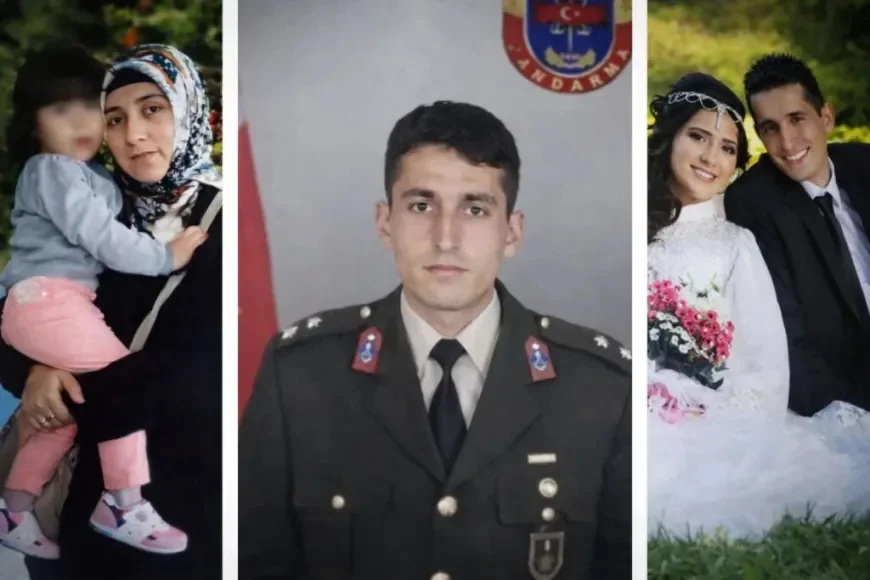
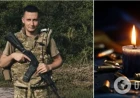
Martyr Gendarmerie First Lieutenant Murat Ataş, who is under terrorism investigation and subject to a travel ban, alongside his wife Sezen Ataş and their daughter, who has been denied a passport.
3. Turning a Veteran into a 'Terrorist': The Case of Bilal Konakçı
One of the darkest spots in Turkey's legal history is the experience of Veteran Police Officer Bilal Konakçı. Konakçı, who became 98% disabled while trying to defuse a PKK bomb in Izmir—losing his eyes, hands, and health—was imprisoned on terrorism charges.
-
20 Months in Prison: The incarceration of a 98% disabled veteran, unable to meet his basic needs, for 20 months was interpreted by the public as the "punishment of martyrdom."
-
Inhuman Treatment: As highlighted in the analyses of journalist Yusuf İnan, Konakçı’s wife was also detained, imprisoned, and subjected to degrading "strip searches" while being accused of terrorism.
Ultimately, Konakçı was released after 20 months following a presidential pardon, but the trauma inflicted upon a national hero remains a stain on the judicial record.
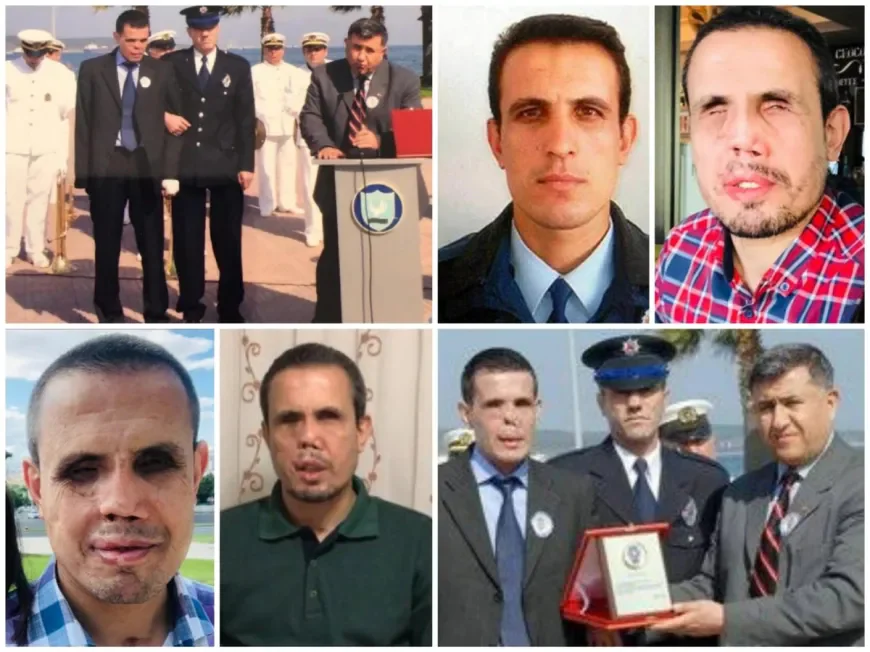
Veteran Police Officer Bilal Konakçı, who became 98% disabled after being severely injured while attempting to defuse a PKK bomb planted in a school in Izmir, faced a terrorism investigation and was imprisoned for 20 months before being released by President Erdoğan's pardon.
4. An Exile’s Burden: A Father in Turkey, Children in a War Shelter
Journalist Yusuf İnan, the founder of sehitlerolmez.com who has defended the rights of martyr families and veterans for 27 years, is another central figure in this tragedy. Accused of "terrorism" over a few words in his columns, İnan has lived in a state of "open prison" in Turkey for nearly eight years due to a continuous international travel ban.
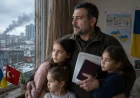
The primary victims of this ban are his daughters, Elif and Ayşe İnan, who are currently struggling to survive in the middle of the war in Ukraine.
-
From Infancy to Childhood in Shelters: The girls were just infants when their father was first banned from traveling; today, they are 9 years old. They are currently forced to hide in shelters with their friends to protect themselves from Russian missiles.
-
Cultural Disconnection: As İnan poignantly cries out, these Turkish and Muslim children, growing up fatherless in a war zone, are forced to adapt to unfamiliar cultural environments while growing up away from their own traditions of the regions where they have taken refuge, drifting away from their own traditions.
The political will that seeks "hope" for the terrorist leader in İmralı continues to ignore the "right to a father" and "right to citizenship" for these two innocent Turkish children in Ukraine.
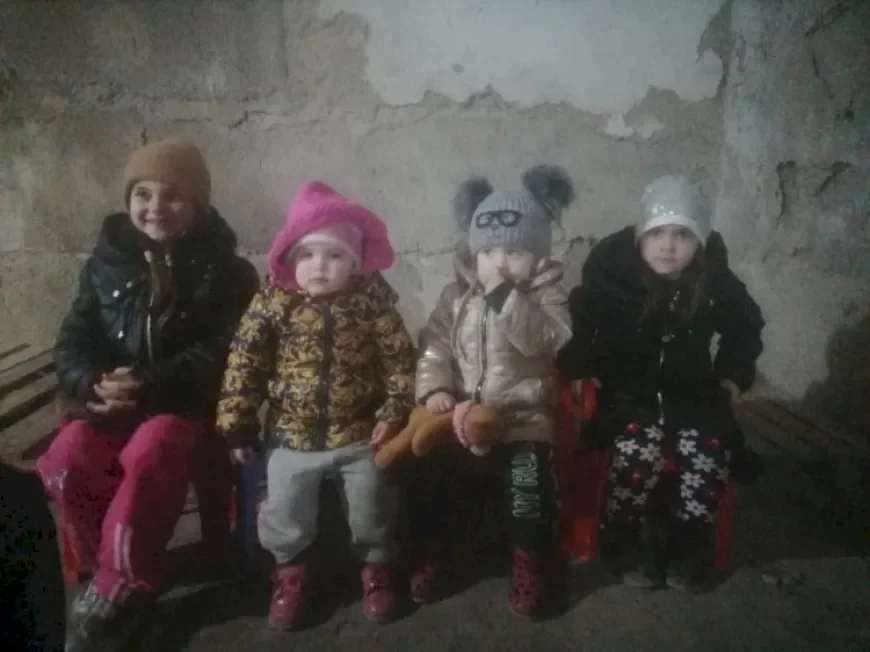
Elif and Ayşe, daughters of Yusuf İnan—the Founder and Editor-in-Chief of SehitlerOlmez.com—have been struggling to survive for eight years amidst the war in Ukraine; they are currently in a shelter with their friends to seek protection from Russian missiles.
5. Strategic Analysis: The Instrumentalization of Law
Evaluating this picture from a strategic perspective reveals alarming results:
A. Systemic 'Triangulation' and Distraction Political actors are using developments in Syria and the "new process" as a shield to suppress the demand for justice at the grassroots level. Feti Yıldız’s assertive style is a display of power intended to drown out the voice of the national conscience.
B. Erosion of National Values A state’s greatest strength is measured by the value it places on its martyrs and veterans. In a system where a martyr’s family is persecuted, discussing the rights of a terrorist leader erodes the state's very own arguments for survival (beka).
C. Judicial Chaos and Responsibility The Ministry of Justice and the Council of Judges and Prosecutors (HSK) must inspect these contradictory decisions. Otherwise, decisions made "in the name of the Turkish Nation" will turn into a mechanism that punishes the nation itself.
6. Conclusion: A Time to Awaken the Conscience
At this point, Turkey is not just at a political crossroads but on the edge of a moral precipice.
Not even a thousandth of the tolerance shown to the terrorist leader is extended to Yusuf İnan, whose children are left to the mercy of war in Ukraine. While political extensions of the PKK receive salaries in Parliament, Bilal Konakçı, blinded by the PKK, is tested with prison. While Martyr Murat Ataş waits in his grave with the status of a "suspect," the killer of 50,000 souls is heralded with "hope."
The Turkish nation is taking note of this grand contradiction. It remains a mystery how a political understanding that fails to protect the legacy of its martyrs can lead any "brotherhood" project to success.
The final question remains: When will those seeking a "Right to Hope" in İmralı see the stolen hopes of Elif and Ayşe in Ukraine, and the orphan of Murat Ataş in Turkey?
What's Your Reaction?
 Like
0
Like
0
 Dislike
0
Dislike
0
 Love
0
Love
0
 Funny
0
Funny
0
 Wow
0
Wow
0
 Sad
0
Sad
0
 Angry
0
Angry
0

Editor | Wise News Press — Delivering accurate, timely global news with integrity, insight, and editorial responsibility.













Comments (0)