



Should the 2026 Nobel Peace Prize honor Erdoğan, Zelenskyy or nations?
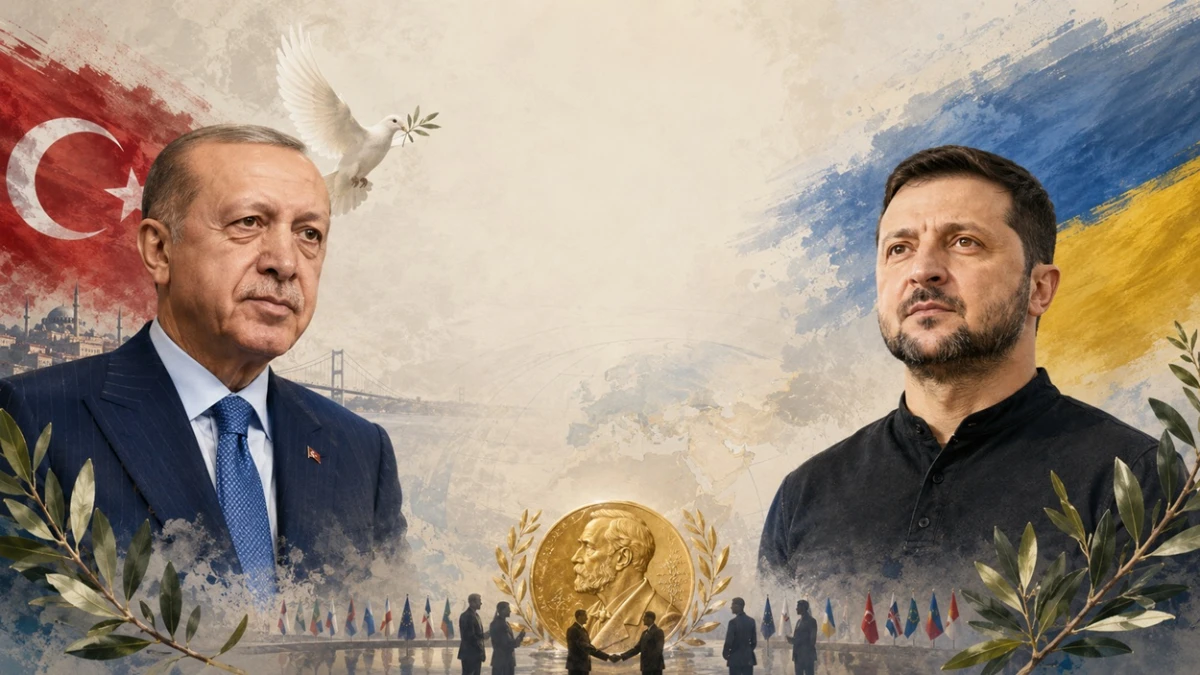
The 2026 Nobel Peace Prize debate raises whether peace should reward diplomacy, resistance, national sacrifice or the leaders who embody them.


Yusuf Inan
Journalist, Author | Political and Strategic Analyst
The debate over the 2026 Nobel Peace Prize has already begun, and this year the question is unusually difficult: should the award honor those who resist occupation, those who keep diplomacy alive, or the nations that carry the burden of war and peace?
The names of Nobel nominees are officially kept confidential for decades, but public debate has its own logic. Volodymyr Zelenskyy stands before the world as the leader of a nation resisting Russian occupation. Recep Tayyip Erdoğan and Türkiye, meanwhile, remain among the few actors able to speak with different sides in several conflicts, from Ukraine and Russia to Gaza, Iran, Europe and the wider Middle East. The real question is not only “Who deserves the prize?” but “What kind of peace should the Nobel Committee reward in 2026?”
A prize between diplomacy and resistance
The Nobel Peace Prize has never been only about ending wars after the guns fall silent. It has also honored human rights defenders, international organizations, anti-war movements, dissidents, mediators and leaders who tried to reduce the possibility of conflict.
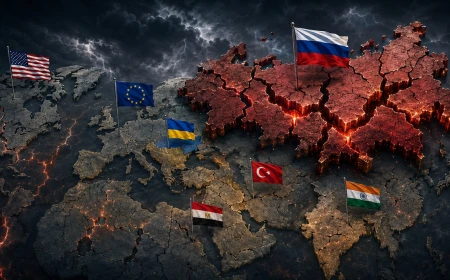
That makes the 2026 debate especially complex. The world is not living through one isolated crisis. Ukraine is still fighting against Russian aggression. Gaza remains a wound at the heart of the international order. The U.S.-Iran line has repeatedly threatened to pull the Middle East into a wider conflict. Europe is debating its future security architecture, while the Black Sea, the Caucasus and the Eastern Mediterranean remain strategically sensitive.


In such a year, the Nobel Peace Prize would not simply be a medal. It would be a message. The Committee would be telling the world what it believes peace means today: negotiation, resistance, justice, humanitarian courage, or the ability to keep channels open when others close them.
The case for Zelenskyy and Ukraine
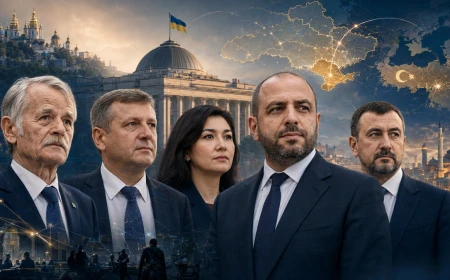
Volodymyr Zelenskyy’s strongest claim is not that he ended a war. He has not. His claim is that he became the political voice of a people fighting for survival, sovereignty and dignity.
Since Russia’s full-scale invasion, Zelenskyy has kept Ukraine’s case at the center of global politics. He has addressed parliaments, international summits and public opinion across the world. He has argued that Ukraine is not only defending its own borders, but also the principle that borders cannot be changed by force.


In this sense, awarding Zelenskyy would not necessarily mean rewarding war. It could mean recognizing resistance to aggression as a condition for just peace. For Ukraine, peace does not mean surrender. It means security, territorial integrity, the return of deported people, accountability for war crimes and protection from future invasion.
Still, giving the Nobel Peace Prize to the sitting president of a country at war would be controversial. Critics would argue that the prize should go to civil society, humanitarian organizations or peace negotiators rather than a wartime leader. Russia and its supporters would present such a decision as a political act by the West.
That does not automatically weaken the moral argument. But it does mean that a broader formula may be stronger: not only Zelenskyy, but Ukraine’s people, its human rights defenders, its medical workers, its prisoner-exchange teams, or institutions documenting war crimes.
The case for Erdoğan and Türkiye
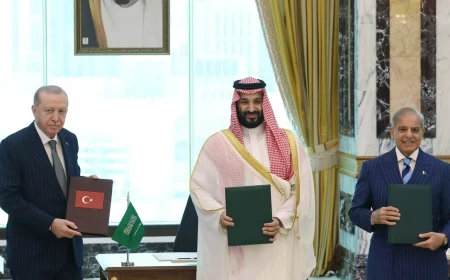
Recep Tayyip Erdoğan’s strongest argument is different. He does not represent a nation under occupation. He represents a state that has tried to preserve diplomatic channels across multiple conflict zones.
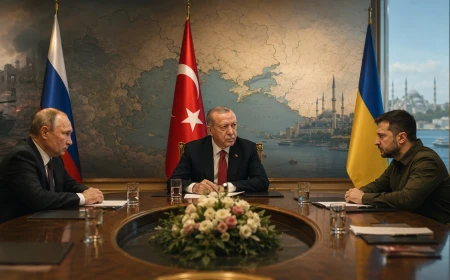
Türkiye has maintained relations with both Kyiv and Moscow while supporting Ukraine’s territorial integrity. It hosted talks, backed the Black Sea grain initiative and repeatedly offered to facilitate negotiations. In a war where many states can talk to only one side, Ankara’s ability to speak with both Russia and Ukraine gives it strategic value.
The case for Erdoğan and Türkiye is not limited to Ukraine. Ankara has also taken a forceful position on Gaza, criticizing Israel’s actions and calling attention to Palestinian suffering. Türkiye has pushed for ceasefire diplomacy, humanitarian access and a political solution. In the wider Middle East, including the U.S.-Iran line, Türkiye has consistently warned against regional escalation and argued for negotiation.
A Nobel Prize for Erdoğan would therefore reward the idea of active diplomacy in a fractured world. It would recognize a leader and a country that have tried to keep negotiation possible when war logic dominates.
But this option would also face criticism. Erdoğan is a powerful and polarizing political figure. Western debates about Türkiye often include questions about domestic politics, democracy, press freedom and human rights. Even if the Nobel Committee focused on foreign policy mediation, the award would inevitably trigger political controversy.
Should the prize go to leaders or nations?
This is perhaps the most important question. Should the Nobel Peace Prize honor leaders, or the nations and societies behind them?
Leaders are symbols, but they are also political actors. Their legacies change. Their decisions are debated. A prize given to a leader can quickly become a referendum on the person rather than the peace effort.
Nations, however, are not ordinary Nobel recipients. The prize is usually awarded to individuals or organizations, not countries in the abstract. Yet a leader, an institution or a civil organization can symbolically represent a national struggle.
If Zelenskyy receives the prize, many will read it as a prize for Ukraine. If Erdoğan receives it, many will read it as recognition of Türkiye’s diplomatic role. But neither man alone can carry the entire meaning of peace.
That is why the most balanced approach may be to reward broader efforts: Ukrainian civil resilience together with diplomatic mediation, or institutions that have worked on prisoner exchanges, humanitarian corridors, ceasefire talks and documentation of crimes.
Gaza, Ukraine and the Middle East cannot be measured the same way
It is tempting to put all conflicts on one scale and ask who did more for peace. But Ukraine, Gaza and the wider Middle East are different crises.
In Ukraine, the central issue is a sovereign state defending itself against invasion. In Gaza, the central issues are occupation, civilian suffering, humanitarian collapse, Palestinian rights and the urgent need for a just political settlement. In the U.S.-Iran context, the central concern is preventing a wider regional war.
Türkiye’s role is strongest in diplomacy. Ukraine’s role is strongest in resistance. Erdoğan represents the ability to talk across divides. Zelenskyy represents the refusal to accept occupation as peace.
These are not identical contributions. But both belong to the broader architecture of peace. A just peace needs resistance to aggression. It also needs mediators who can bring enemies to the table.
The strongest Nobel message for 2026
In my view, the strongest Nobel message for 2026 would not be a simple personal victory for one leader over another. It should not become “Erdoğan versus Zelenskyy” or “Türkiye versus Ukraine.”
The better question is this: what combination best represents peace in our time?
If the prize is meant to honor diplomatic effort, Türkiye and Erdoğan have a serious case. Ankara has kept channels open in conflicts where many actors have chosen isolation, punishment or military escalation.
If the prize is meant to honor moral resistance to invasion, Ukraine and Zelenskyy have a serious case. Ukraine’s struggle has reminded the world that peace without justice can become another name for surrender.
The most powerful formula would recognize both dimensions: diplomacy and resistance. That could mean honoring institutions or initiatives connected to Türkiye’s mediation efforts and Ukraine’s civilian resilience. It could also mean recognizing humanitarian organizations working across Ukraine, Gaza and the broader region.
Who should receive it?
The Nobel Peace Prize should not reward propaganda, slogans or political loyalty. It should reward those who make peace more possible.
If the Committee wants to recognize the ability to speak with all sides, Erdoğan and Türkiye deserve serious attention. If it wants to recognize the defense of a nation’s right to exist, Zelenskyy and Ukraine deserve serious attention.
But if the Committee wants to send the deepest message, it should avoid turning the prize into a contest between two leaders. Peace today is not built by one person alone. It is built by nations that endure, diplomats who keep talking, civilians who suffer without surrendering, and institutions that protect human dignity when politics fails.
The fairest conclusion is this: Ukraine represents the justice without which peace cannot last; Türkiye represents the diplomacy without which peace cannot begin.
The Nobel Peace Prize should honor both truths.
Yusuf Inan
Yusuf Inan is a journalist and writer. He serves as Editor-in-Chief of UAPresa.com, WiseNewsPress.com, SehitlerOlmez.com and YerelGundem.com, and specializes in strategic and political analysis of Turkish and global affairs.
What's Your Reaction?
 Like
0
Like
0
 Dislike
0
Dislike
0
 Love
0
Love
0
 Funny
0
Funny
0
 Wow
0
Wow
0
 Sad
0
Sad
0
 Angry
0
Angry
0

Editor | Wise News Press — Delivering accurate, timely global news with integrity, insight, and editorial responsibility.










Comments (0)