



Ukraine sees chance to seize initiative as Russia’s advance slows
Ukraine’s army has slowed Russian advances and increased strikes on logistics, raising debate over whether the war is nearing a turning point.


By Ahmet Taş | Wise News Press
KYIV, Ukraine — Ukraine’s military has slowed Russia’s battlefield advance and increased strikes on rear logistics, prompting debate over whether Kyiv is approaching a turning point in the war.
According to a BBC Ukraine analysis, Western politicians, military analysts and media outlets are speaking more openly than at any time since 2023 about a possible shift in the war’s momentum. Ukrainian officials say Russian forces have failed to achieve major breakthroughs on multiple fronts, while Kyiv has gained limited local initiative and expanded attacks on fuel, transport and supply routes behind Russian lines.
Zelenskyy says Russia has lost momentum in some areas
Ukrainian President Volodymyr Zelenskyy said on 16 June that the battlefield situation was changing. According to Zelenskyy, Russian forces have lost the initiative in some sectors and are no longer able to maintain effective pressure across the entire front line.
He said Russia had attempted offensive actions in 12 directions this year but failed to achieve its broader goals. Moscow, he added, is now concentrated on only two or three priority sectors, where its forces continue to move forward slowly and with heavy losses.
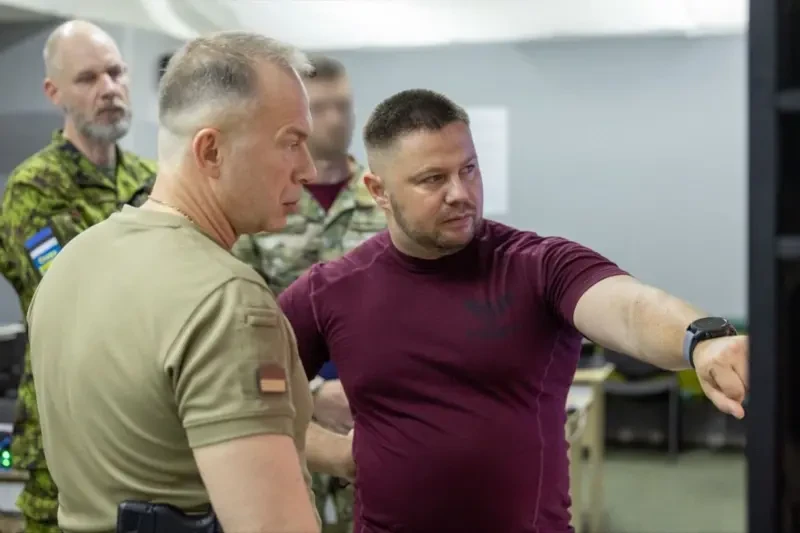
Ukraine’s military leadership, however, has used more cautious language. Commander-in-Chief Oleksandr Syrskyi has said Ukrainian forces “must seize” the strategic initiative, suggesting that Kyiv sees an opportunity but does not yet view the process as complete.


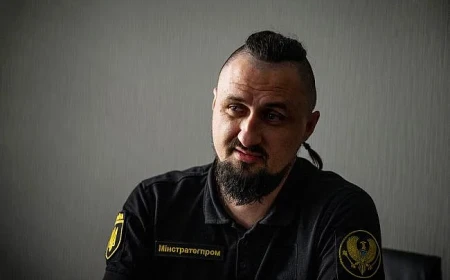
Defense Minister Mykhailo Fedorov has described the current period as a “window of opportunity” for Ukraine, one that could remain open for at least the next six months. Kyiv’s task, he said, is to turn that opportunity into a lasting battlefield advantage.
Russian gains have slowed sharply
The most striking sign of change is the slowdown in Russia’s territorial gains. According to DeepState data cited in the BBC analysis, May 2026 was one of Russia’s weakest months of territorial advance since October 2023, when Moscow began a long strategic offensive phase.


Russian forces reportedly occupied only 14 square kilometers of Ukrainian territory in May. That figure contrasts sharply with 2025, when Russia seized around 4,300 square kilometers over the course of the year.
At the same time, Ukraine says its forces regained more ground than they lost in May. Syrskyi said Ukrainian troops liberated 100 square kilometers more than they surrendered that month. Since the start of the year, according to his figures, Ukrainian forces have retaken around 600 square kilometers.
The numbers suggest that Russia’s ability to advance has weakened. But they do not yet prove that the overall direction of the war has changed.
The front remains unstable
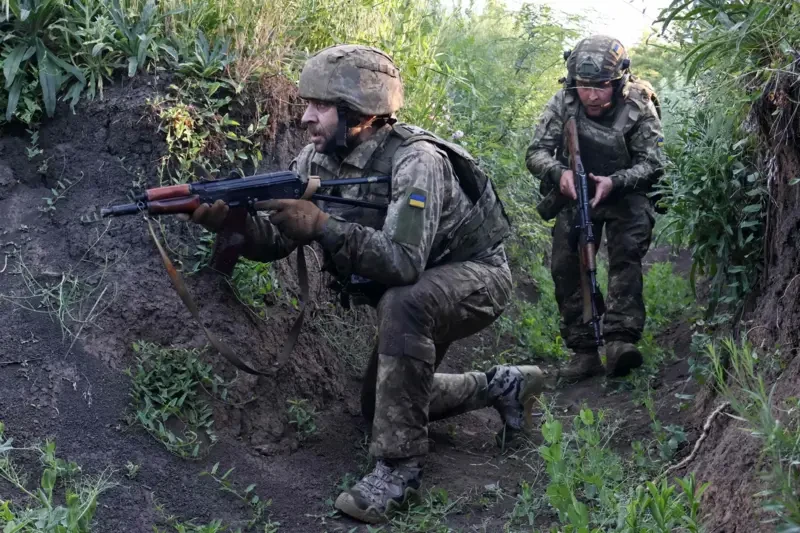
Despite the slowdown, the battlefield remains far from stable. Russian forces continue to press in several critical areas, especially near Pokrovsk, Huliaipole and Kostiantynivka.
Ukrainian commanders warn that a reduction in the number of assaults does not necessarily mean Russian pressure has disappeared. In some sectors, Moscow continues to maintain heavy firepower and a high level of activity, even if the quality of its assault operations has declined.
Analysts therefore speak less about a confirmed strategic breakthrough and more about a change in the nature of the war. The growing role of drones, long-range strikes, small infantry infiltration groups and attacks on rear logistics has made the front more complex and less predictable.
In this environment, battlefield success depends not only on holding ground but also on disrupting the enemy’s ability to move, supply and reinforce.
Kostiantynivka remains a major danger point
One of the most difficult areas for Ukraine is Kostiantynivka in Donetsk region. Russian forces have moved close to the city’s southern, eastern and western outskirts, while small assault groups have reportedly begun infiltrating urban areas.
DeepState has warned that under current conditions, the fall of Kostiantynivka may be a matter of time. The city is important because it is seen as a gateway toward the Sloviansk-Kramatorsk urban area, a key defensive and logistical zone for Ukraine in Donetsk region.
If Kostiantynivka falls, analysts believe Russian pressure could shift toward Druzhkivka and then Kramatorsk. That would make the city one of the most consequential battles of 2026.
Ukrainian military officials acknowledge that the situation there is difficult. Commanders say Russian forces have entered some parts of the urban area and control individual buildings. At the same time, Ukrainian officers argue that Russian success could soon lose momentum if Kyiv can contain the infiltration and prevent larger forces from entering the city.
Ukraine targets Russian logistics behind the front
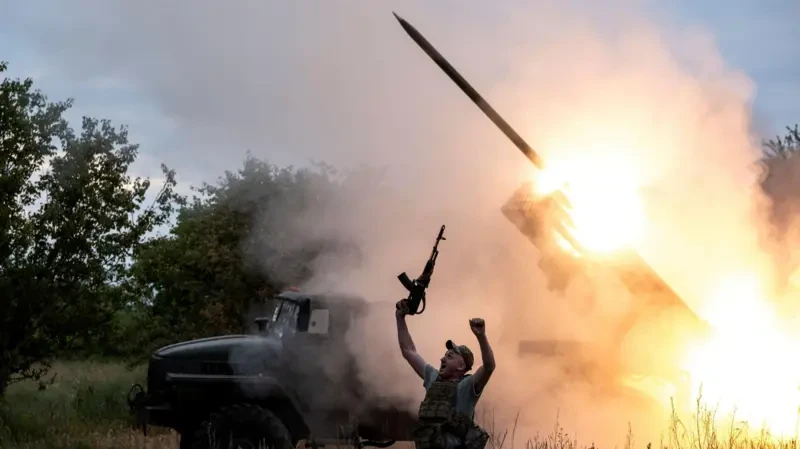
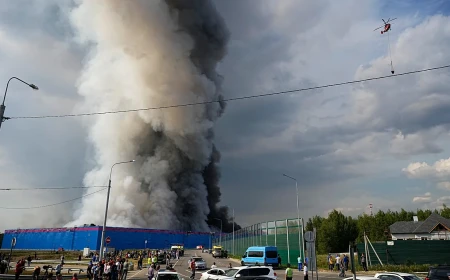
The second major factor in Ukraine’s improved position is the expansion of strikes on Russian rear areas. Kyiv has increased the use of medium-range and long-range drones to hit fuel trucks, transport routes, ammunition depots, military vehicles and command infrastructure.
These strikes are particularly visible in Crimea and along routes leading to the occupied peninsula. Ukrainian forces have targeted Russian transport on key roads, including routes from Taganrog through Mariupol, Berdiansk and Melitopol toward Crimea, as well as roads from the Kerch Bridge toward Simferopol and Sevastopol.
Ukraine’s Unmanned Systems Forces said truck traffic on one key route had dropped sharply in recent weeks. While this does not amount to a full blockade, it suggests that Russian logistics in the south are under serious pressure.
Kyiv has also attacked bridges, roads and railway infrastructure connected to Crimea. Videos have shown strikes on Russian military transport and railway targets in different parts of the peninsula.
Crimea’s military role is changing
At the start of Russia’s full-scale invasion, Crimea served as a major logistics hub for Moscow’s southern grouping of forces. It was used to move equipment, fuel, ammunition and personnel toward Kherson, Zaporizhzhia, Mykolaiv and Donetsk regions.
That role has weakened over time. Ukrainian strikes have made maritime supply routes more dangerous, ferries have been damaged or destroyed, and much of Russia’s Black Sea Fleet has been forced to move to safer ports. The Crimean Bridge is still used, but more cautiously and with limitations.
Crimea remains militarily important because it contains bases, ports, airfields, missile systems and radar facilities. But it is now also a heavily exposed platform that Russia must continuously defend and supply.
Ukraine’s effort to isolate Crimea increases pressure on Russian logistics. However, analysts caution that the effect on the front line may not be immediate. The purpose of such operations is to raise the cost of Russian operations, reduce mobility and create conditions for future Ukrainian action.
Fuel shortages could affect Russian operations
Another important issue is fuel. Ukrainian drone attacks on transport routes and fuel supplies have reportedly contributed to shortages in occupied areas, including Donetsk and parts of southern Ukraine.
Fuel is essential not only for tanks, trucks and armored vehicles. It is also needed for generators, communications equipment, drone batteries and basic front-line command systems. Without reliable fuel supplies, even infantry units can struggle to hold positions and conduct assaults.
Russian forces appear to be adapting by using stored reserves and moving fuel in smaller batches, sometimes in civilian or disguised vehicles. But if Ukraine continues to strike these supply channels effectively, Moscow may face growing difficulties sustaining offensive pressure.
Still, successful strikes on operational logistics are not the same as a decisive battlefield breakthrough. They create conditions for slowing the enemy and possibly preparing future offensive operations, but they do not by themselves end Russia’s ability to fight.
A turning point is possible, but not yet confirmed
The current situation gives Ukraine a real opportunity. Russian advances have slowed, assault quality has declined in some sectors, Ukraine has regained limited ground, and Russian logistics are under increasing pressure.
But the war has not yet entered a clearly decisive phase. Russia still has manpower, artillery, missiles, glide bombs and the ability to hit Ukrainian rear areas. Moscow is also adapting and continues to attack Ukrainian railways, energy infrastructure and logistics sites.
The next three to four months may be crucial. If Ukraine can maintain technological momentum, prevent Russia from finding effective countermeasures and turn logistics pressure into concrete battlefield gains, analysts may begin to speak of a strategic turning point.
For now, the most accurate assessment is more cautious: Ukraine has created a stronger opportunity than at any point in recent years, but the war’s decisive break has not yet been secured.
What's Your Reaction?
 Like
0
Like
0
 Dislike
0
Dislike
0
 Love
0
Love
0
 Funny
0
Funny
0
 Wow
0
Wow
0
 Sad
0
Sad
0
 Angry
0
Angry
0

Editor | Wise News Press — Delivering accurate, timely global news with integrity, insight, and editorial responsibility.












Comments (0)