


Fethiye tourism sector expands amid real estate and eco trends
Fethiye hosted over 1.7 million tourists in 2024, driven by a booming villa market and eco-tourism, despite macroeconomic pressures and inflation.


By Yusuf İnan
Journalist | Political & Strategic Analyst
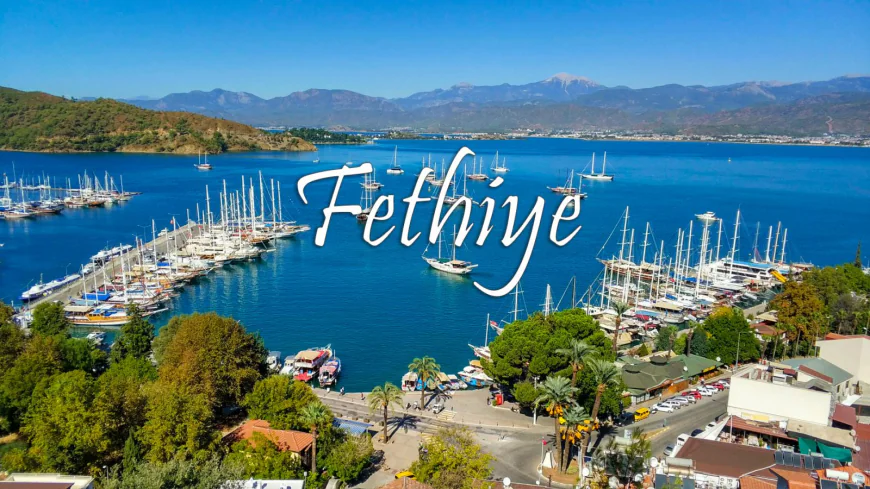
FETHIYE, TURKEY — The southwestern Turkish district of Fethiye has solidified its position as a cornerstone of the Mediterranean tourism economy, hosting a record 1,748,771 visitors in 2024 amid a rapidly transforming real estate and hospitality landscape. According to recent data compiled from the Muğla Provincial Directorate of Culture and Tourism and local sector reports, this influx highlights a critical pivot from traditional mass tourism toward high-yield private villa rentals and ecologically focused outdoor activities.
This structural shift in the local economy presents both unprecedented investment opportunities and complex urban management challenges. As the region navigates severe domestic inflation, currency fluctuations, and the ecological limits of its coastal assets, local policymakers and global investors are closely monitoring Fethiye’s transition into a year-round, multi-disciplinary economic zone. The subsequent analysis examines the demographic breakdowns, accommodation sector transformations, and macroeconomic pressures defining Fethiye's current market trajectory.
Demographic shifts and market penetration
An analysis of the 2024 visitor demographics reveals a highly balanced market penetration, a crucial factor in mitigating risks associated with global travel volatility. Of the nearly 1.75 million tourists who arrived in the district, approximately 52 percent (911,455) were international visitors, while 48 percent (837,316) represented the domestic market.




From a macroeconomic perspective, the United Kingdom remains the undisputed anchor of Fethiye’s international tourism sector. British nationals accounted for exactly half of all foreign arrivals to the district. This deep reliance on the British pound injects vital foreign currency into the local economy, bolstering retail and service sectors. However, financial analysts note that this dependency also leaves the local market highly exposed to UK outbound travel trends and post-Brexit economic fluctuations. Beyond the UK, secondary but highly lucrative markets include Russia, Germany, Poland, and the Netherlands. While overall tourism revenues are projected to increase in the coming financial quarters, sector representatives warn that rising operational costs, driven by national inflation, are systematically compressing profit margins for local business owners.
Seasonality and calendar expansion strategies
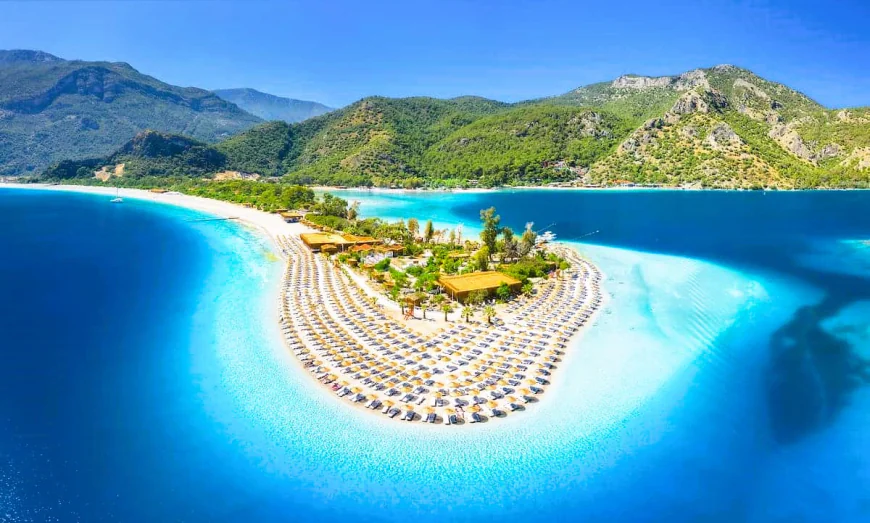
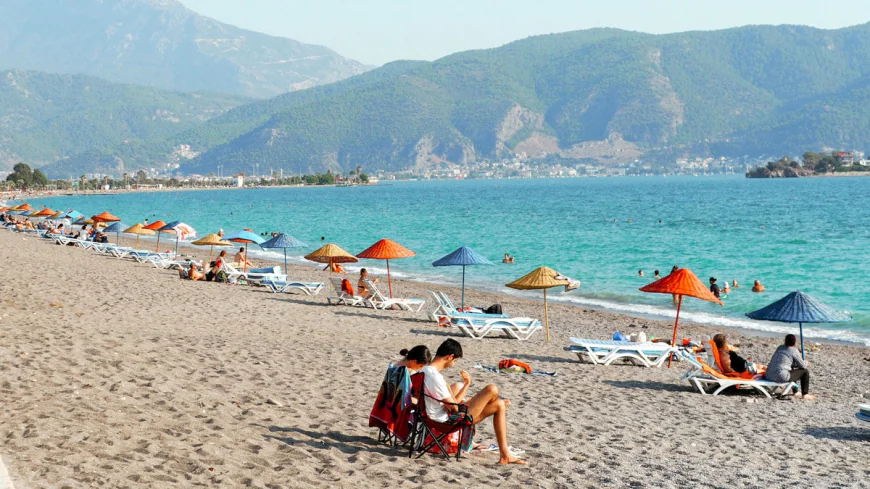
Historically constrained to a traditional three-month summer peak, Fethiye’s economic calendar has successfully elongated, now stretching from mid-March to late November. While July and August remain the commercial climax—characterized by hyper-concentration and maximum capacity at flagship locations like the three-kilometer stretch of Ölüdeniz (Belcekız) Beach—the shoulder seasons of spring and autumn are experiencing a significant surge in demand.
This calendar expansion is largely driven by alternative tourism models. In April and May, the region attracts high volumes of European eco-tourists participating in the Lycian Way treks, cycling tours, and botanical excursions. In October and November, cultural events such as local film festivals and international sports marathons provide a steady stream of revenue. This seasonal elongation is considered a critical economic victory by local chambers of commerce, as it maximizes the utilization of fixed tourism assets, provides steady, year-round employment, and reduces the winter economic slump that traditionally plagues Mediterranean resort towns.
[Image Placeholder] ALT: Tourists enjoying the turquoise waters and sandy shores at Ölüdeniz beach in Fethiye — showing the dense summer capacity of the region's flagship coastal asset. Caption: A high-capacity summer day at Belcekız Beach in Ölüdeniz, Fethiye. (Photo: Agency/Wise News Press)
Corporate hotels versus the surging villa market
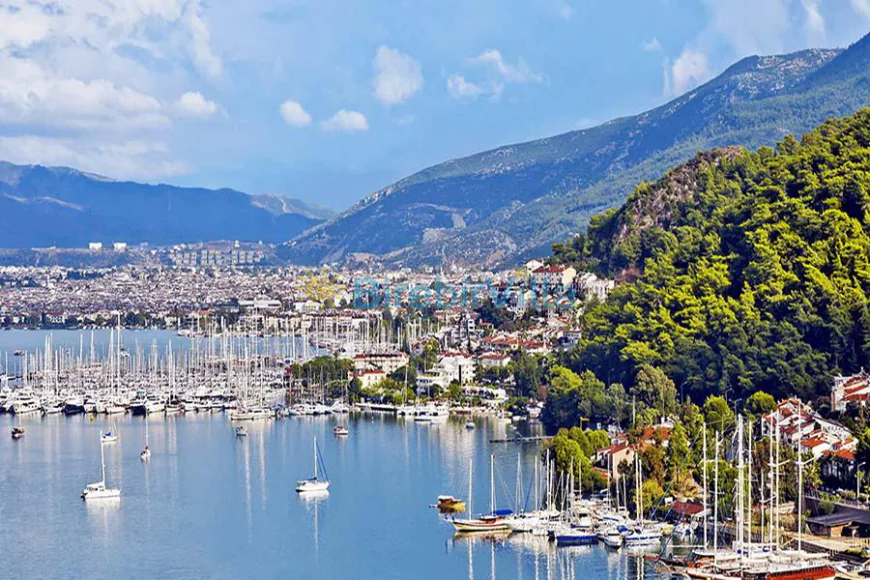
Fethiye’s accommodation infrastructure is currently undergoing a radical diversification. The region boasts a dense concentration of hospitality venues ranging from standard three-star pensions to five-star luxury resorts. Large-scale resort complexes dominate the Ölüdeniz, Çalış, and Göcek zones, with major corporate hospitality players such as the Liberty and Rixos groups recently injecting high-capacity, capital-intensive investments into the region. Traditional hotel occupancy rates generally hover around 50 to 60 percent on an annualized basis, spiking to over 80 percent during the peak summer months.
However, the most disruptive economic trend in the district is the exponential growth of the private rental villa market. According to regional real estate indices, property values in the Fethiye area surged by an astonishing 131 percent between 2018 and 2022. Fueled by favorable foreign property ownership laws and the lucrative introduction of "tourism-purpose residential status," the villa market has transformed from a niche sector into a primary investment vehicle.
These private properties, which range from modest two-bedroom homes to ultra-luxury five-bedroom estates with infinity pools, are heavily marketed by specialized portfolio management companies. Monthly rental yields for these properties can easily fluctuate between 1,000 and 3,000 EUR, depending on the season and location. While this generates massive decentralized wealth, economists warn of underlying market risks. An oversupply of generic rental villas could lead to market saturation, driving down nightly rates. Furthermore, the rapid construction of these assets strains local water and electrical grids, prompting calls for stricter zoning regulations.
Gastronomic economics and yield management
Gastronomy has evolved from a secondary hospitality amenity into a primary revenue driver, allowing the Fethiye market to capture higher per-capita spending from affluent tourists. The local culinary scene, historically rooted in simple Aegean-Mediterranean seafood and agricultural products, has rapidly gentrified.
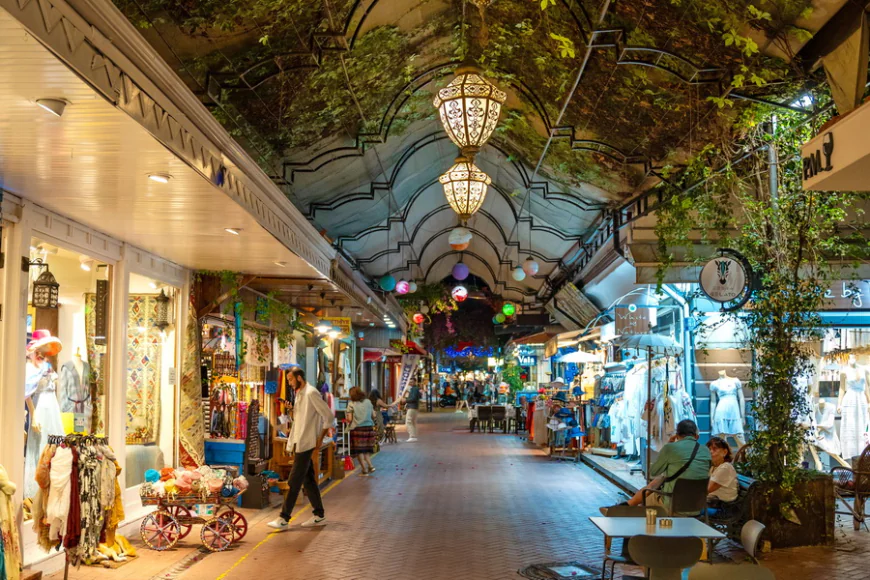
Today, the district supports a wide spectrum of dining establishments. At the high end, luxury venues such as Angus Dry Aged Steakhouse in Hisarönü and Citrus Mediterranean Restaurant command premium pricing, targeting high-net-worth visitors and expatriates. Simultaneously, venues like Ada Restaurant and Onno Grill & Bar have secured Michelin recommendations, placing Fethiye on the map for global culinary tourism. Meanwhile, traditional establishments like Girida Balık in the Ece Marina and Cin Bal Kebap Salonu in the town center continue to generate massive turnover by appealing to both domestic tourists and budget-conscious international travelers. Because the active tourism season now begins in March, the supply chain and employment cycles for the food and beverage sector have stabilized, allowing for higher quality control and better staff retention.
Coastal asset management and infrastructure
Fethiye’s pristine environmental assets are the core products of its economic engine. The integration of protected bays with heavily forested mountainous landscapes forms the backbone of its global appeal. Recognizing that environmental degradation is the greatest threat to its economic survival, local authorities are heavily investing in sustainable coastal management. In 2025, the region proudly secured Blue Flag certifications for 14 of its beaches and 4 of its marinas, ensuring strict compliance with international water quality and safety standards.
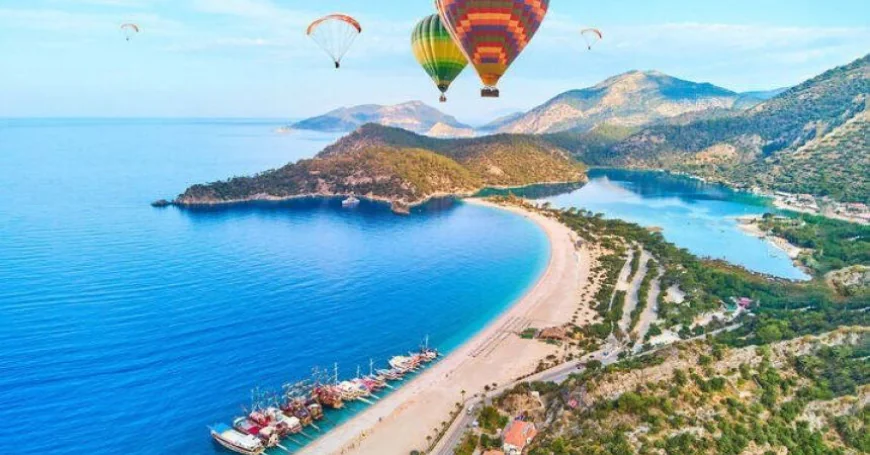
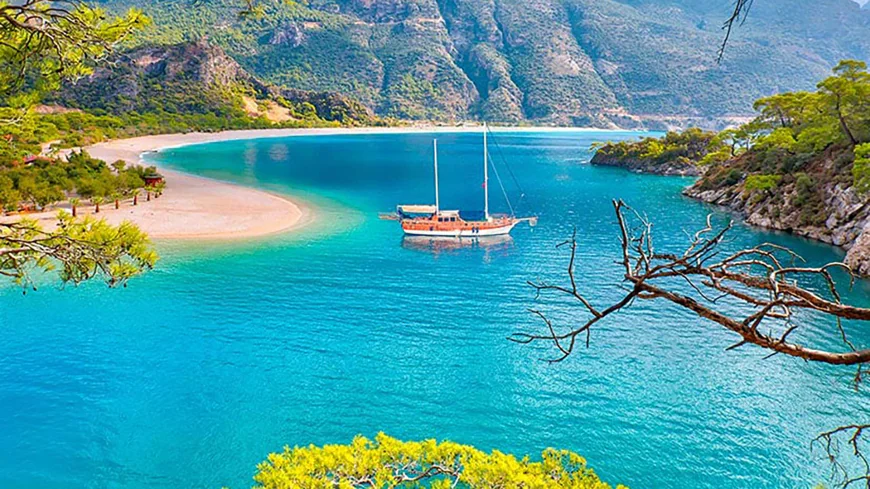
Key coastal assets dictate localized micro-economies. The Ölüdeniz Blue Lagoon, a designated National Park, generates direct municipal and state revenue through entry fees while offering highly regulated, premium services. Çalış Beach, Fethiye’s most commercialized urban shoreline, drives localized retail and food spending through its dense promenade of bars and restaurants. Conversely, rugged and remote locations like Kabak Bay and the sprawling 18-kilometer sands of Patara Beach target the eco-tourism demographic, blending ecological preservation (such as Caretta-Caretta sea turtle nesting zones) with boutique, low-impact commercialization.
Activity-based tourism and mobility networks
Fethiye successfully monetizes its dramatic topography through an aggressive expansion of the outdoor sports industry. Paragliding from the 1,960-meter Mount Babadağ is a massive, highly lucrative micro-industry. According to aviation logs, the mountain recorded a staggering 189,775 commercial flights in 2024. Interestingly, demographic data indicates that Chinese tourists have emerged as the second-largest consumer group for this activity, representing a highly successful penetration into the Asian adventure-tourism market.
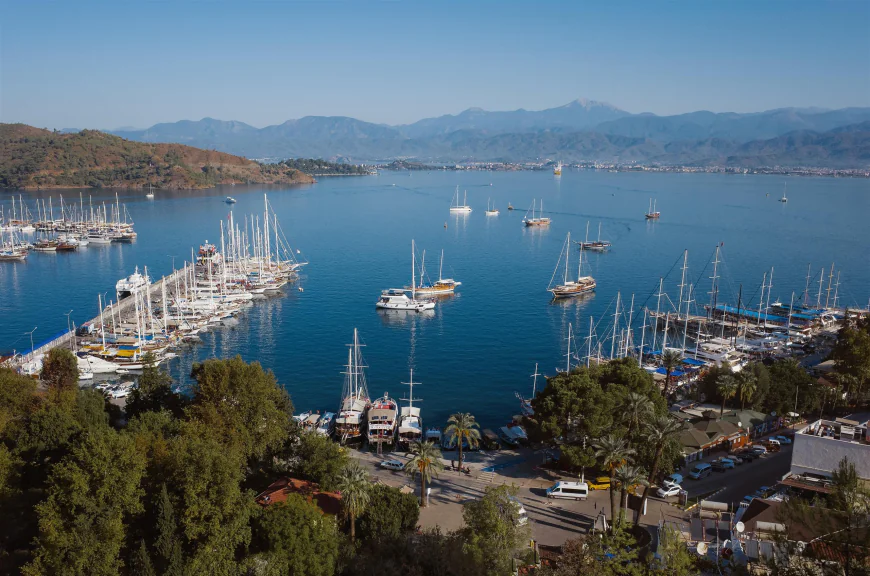
Regional mobility and transport logistics are scaling to keep pace with this demand. Dalaman Airport, located approximately 50 kilometers from Fethiye, saw its seat capacity grow by 13 percent year-over-year in 2024, processing over 1.74 million passengers. The maritime infrastructure is equally robust. In 2024, the Bodrum and Fethiye port authorities collectively processed 529,700 cruise and ferry passengers, with Fethiye directly accounting for 104,022 maritime entry and exits. Furthermore, transformative local infrastructure projects, such as the ongoing construction of the Ölüdeniz-Babadağ cable car system, are expected to drastically increase the daily carrying capacity for high-altitude tourism while reducing automotive emissions on the mountain roads.
[Image Placeholder] ALT: Paragliders flying over the Blue Lagoon from Mount Babadağ in Fethiye — highlighting the region's booming adventure tourism sector. Caption: Paragliders descending from Mount Babadağ over the famous Blue Lagoon, Fethiye. (Photo: Agency/Wise News Press)
Competitor benchmarking in the Turkish Riviera
When placed in a regional economic matrix, Fethiye holds a distinct, highly strategic market position against its neighboring mega-destinations. According to industry benchmarking reports, Bodrum dominates the ultra-luxury, high-end nightlife, and super-yacht segments, characterized by exceptionally high average daily rates (ADR) and a surplus of direct international flights. Antalya remains the undisputed heavyweight of high-volume, all-inclusive mass tourism, generating massive bulk revenue but suffering from lower per-capita spending outside hotel walls. Kaş, located to the south, operates as a hyper-niche boutique market focused almost entirely on scuba diving and elite villa rentals.
Fethiye uniquely bridges these market gaps. It offers the boutique, nature-driven appeal of Kaş, combined with a much higher accommodation capacity, yet it strategically avoids the overwhelming, concrete-heavy commercialization of Antalya. Market analysts summarize Fethiye's brand positioning as the premier "nature, outdoor sports, and value-for-money" destination in the Eastern Mediterranean.
Strategic investment opportunities and market risks
While the macroeconomic forecast for Fethiye is largely bullish, sustainable long-term growth requires careful navigation of emerging infrastructural bottlenecks and ecological vulnerabilities. For institutional and private investors, the region offers high-yield opportunities, particularly in the acquisition of property during periods of currency devaluation, which has historically resulted in massive capital appreciation. The rising demand for off-season cultural and wellness tourism also presents a lucrative frontier for developers willing to build eco-certified boutique hotels and thermal spa retreats.
However, the risks are equally pronounced. The heavy reliance on summer revenue leaves fixed assets financially vulnerable during the abbreviated winter months. More critically, the rapid pace of construction poses severe environmental threats. The local marine ecosystem faces immense pressure during the high season, with an estimated 12,000 to 15,000 commercial and private vessels operating in the local bays, straining wastewater management systems and increasing the risk of marine mucilage. Additionally, the ever-present threat of regional forest fires, exacerbated by global climate shifts, poses a direct existential threat to the region's green capital.
Moving forward, industry experts argue that Fethiye’s continued economic success will rely not on increasing sheer visitor numbers, but on elevating the quality of the tourism product. Investments in smart-city infrastructure, mandatory rainwater harvesting for new villa constructions, and the electrification of public and maritime transport will be the defining factors that separate Fethiye from over-commercialized, declining resort towns in the coming decade.
Yusuf İnan
www.wisenewspress.com
Yusuf İnan is a journalist and author. He serves as Editor-in-Chief of WiseNewsPress.com, SehitlerOlmez.com, and YerelGundem.com, and specializes in strategic and political analysis of Turkish and global affairs.
What's Your Reaction?
 Like
0
Like
0
 Dislike
0
Dislike
0
 Love
0
Love
0
 Funny
0
Funny
0
 Wow
0
Wow
0
 Sad
0
Sad
0
 Angry
0
Angry
0

Editor | Wise News Press — Delivering accurate, timely global news with integrity, insight, and editorial responsibility.






















Comments (0)