



Equestrian Eco-Tourism Booms in Urla: A Comprehensive Guide to Investments and Operations
Urla is rapidly transforming into Turkey's premier equestrian tourism hub. Explore detailed insights into farm operations, multi-million lira infrastructure investments, boutique hospitality integration, and regulatory risk management.


By Yusuf İnan
Journalist | Political & Strategic Analyst
IZMIR, TURKEY — The idyllic Aegean district of Urla, traditionally celebrated for its rolling vineyards, olive groves, and rich gastronomy, is rapidly carving out a dynamic new identity as Turkey's premier destination for equestrian eco-tourism. A surge in integrated family-run horse farms and boutique hotels is transforming the region's agricultural landscape, offering a unique blend of professional equestrian sports, rural hospitality, and nature-based therapeutic activities.
As urbanization accelerates, the demand for nature-integrated leisure has driven substantial capital into Urla's rural sectors. Investors and agricultural entrepreneurs are increasingly merging equestrian facilities with luxury accommodation, creating comprehensive eco-tourism hubs. This shift is not only elevating the local tourism profile but also establishing a robust economic micro-sector. However, establishing and maintaining these high-end facilities requires meticulous navigation of multi-million lira infrastructure investments, stringent veterinary regulations, and complex municipal zoning laws.
The Pioneers of Urla's Equestrian Landscape
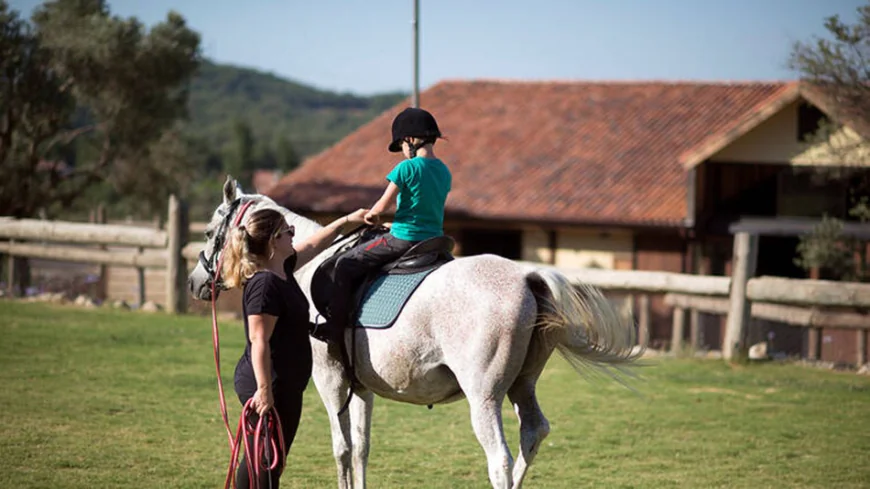
The equestrian ecosystem in Urla is characterized by a diverse array of facilities, ranging from professional riding clubs to intimate, family-operated ranches. These establishments have strategically positioned themselves across the district's scenic neighborhoods, utilizing the natural topography to enhance the riding experience.
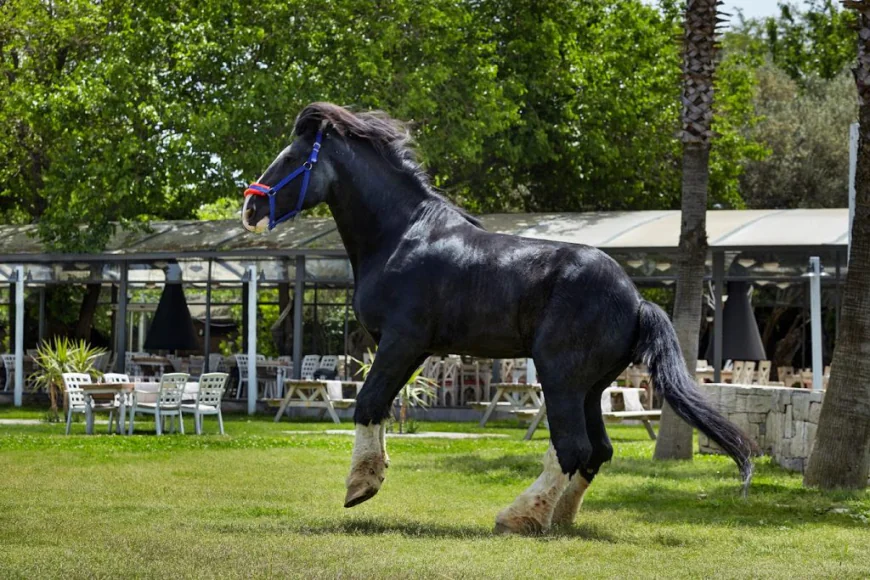


Among the most prominent is Manej Urla, located in the Kuşçular neighborhood. Spanning an impressive 50 decares of land, this facility, founded by Aylin Güvenen around 2012, operates as a registered club and an eco-friendly boutique hotel featuring 12 rooms. It stands as a prime example of successful rural hospitality integration, housing approximately 60 horses.
Other notable contributors to the region's equestrian culture include the Rahatla Horse Farm in Yenikent, a family-run enterprise established in 2007 that focuses heavily on introductory riding and children's activities. In the Camiatik neighborhood, the Kemal Bey Farm and Hotel, founded in 2003 by Semih Bey, offers a more integrated hospitality experience with an eight-room hotel and stables accommodating 15 to 20 horses. Additionally, specialized venues like the Urla Equestrian Club, known for its highly qualified instructors and show-jumping training, and Asha Country in Nohutalan, a boutique villa complex integrating "house riding" concepts, round out the high-end market offerings.
Diverse Services: From Hippotherapy to Safari Tours
The operational models of these farms extend far beyond simple horseback riding. They have evolved into comprehensive service providers catering to diverse demographics, from competitive athletes to families seeking weekend recreation.

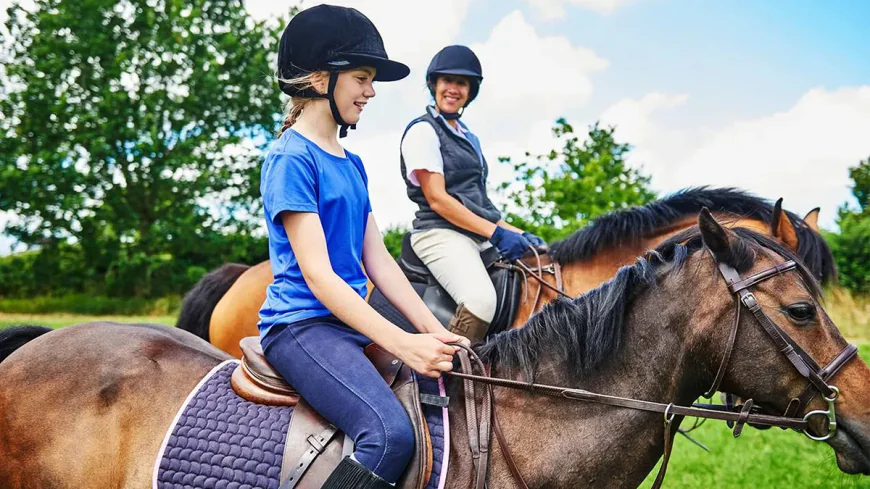
Professional riding lessons form the core revenue stream for most facilities. Clubs affiliated with the
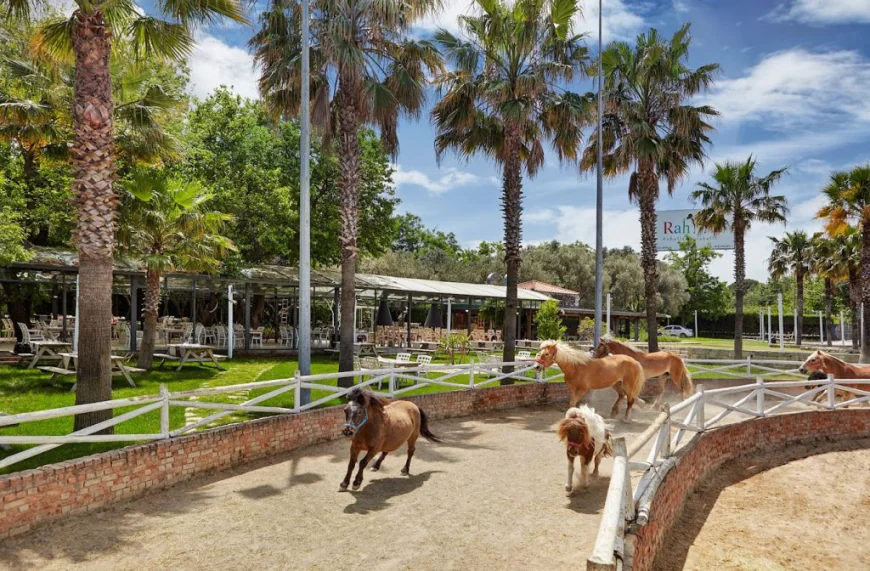
Beyond the arena, guided equestrian safaris are highly sought after. Facilities leverage Urla's natural trails, offering guests the opportunity to ride through organic vineyards and coastal pine forests. Furthermore, several farms have recognized the profound benefits of equine-assisted therapy. Hippotherapy programs, often conducted in collaboration with specialized educators and specially trained therapy horses, provide critical rehabilitation services for children and adults with physical or cognitive disabilities, adding a profound social value to these commercial enterprises.
Equine boarding, or horse pension services, is another critical operational pillar. Horse owners who lack the space or expertise to house their animals locally pay a premium—typically ranging from 5,000 to 7,000 TL per month—for full-service care. This includes premium feeding, daily turnout in designated paddocks, mucking out, and basic veterinary monitoring.
Infrastructure Standards and Capital Investment
Building a facility that meets international equestrian standards and animal welfare regulations requires heavy capital investment and specialized architectural planning. The physical infrastructure must prioritize the health and psychological well-being of the horses while ensuring the safety of riders and staff.
The design of the stables is heavily regulated. According to modern equestrian architectural standards, each individual horse box must encompass 12 to 16 square meters. The flooring of these stalls should ideally be elevated 10 to 15 centimeters above the main barn aisle to prevent moisture accumulation. While concrete is often used for the base, it must be covered with specialized heavy-duty rubber matting to protect the horses' hooves and joints. Barn walls must be constructed from porous materials, reaching a minimum height of three meters, while ensuring at least three percent transparency through skylights to allow for natural diurnal lighting. Furthermore, mechanical ventilation systems must be selected based on low decibel outputs to prevent auditory stress to the animals.
The riding arenas, or "manege" spaces, represent another significant investment. Standard training arenas are typically constructed at dimensions of 20x40 meters, while professional dressage or show-jumping arenas require 20x60 meters. The footing of these arenas is critical; a highly engineered mix of silica sand and geotextile fabrics is utilized to provide optimal shock absorption. Proper sub-surface drainage with a subtle one to two percent gradient is mandatory to prevent flooding during the Aegean region's heavy winter rains.
The financial barriers to entry are substantial. Based on recent regional construction data, establishing a small-scale facility accommodating four to five horses with basic stables and an open arena requires a capital investment ranging from 3 million to 5 million TL. A medium-scale operation, capable of housing 15 to 20 horses and featuring a covered winter arena alongside a clubhouse, demands between 10 million and 15 million TL. For large-scale, premium eco-tourism complexes housing over 30 horses with extensive indoor arenas, VIP social facilities, and integrated veterinary clinics, the initial rough construction costs can escalate to between 15 million and 25 million TL. These estimates focus primarily on rough construction and exclude the costs of land acquisition, specialized machinery, and the procurement of the horses themselves.
The Convergence of Equestrian Sports and Boutique Hospitality
The most lucrative business model emerging in Urla is the fusion of equestrian facilities with boutique hotel accommodations. This integration transforms a standard riding school into a comprehensive lifestyle destination.
Facilities like Manej Urla have perfected this model by offering "farm-to-table" culinary experiences alongside equestrian activities. Guests can book weekend packages that include organic Aegean breakfasts sourced directly from the property, followed by morning riding lessons or guided trail rides through the adjacent vineyards.
Similarly, Asha Country in Nohutalan has pioneered the "house riding" concept within its villa complex. Targeting high-net-worth local and international families, the facility offers private villas with direct access to an exclusive riding zone. This seamless blend of luxury accommodation and rural sporting allows guests to experience the equestrian lifestyle without compromising on modern comforts. At venues like the Kemal Bey Hotel, standard bed-and-breakfast rates—starting around 260 TL for a base room—are heavily supplemented by the cross-selling of riding packages, significantly boosting the average revenue per user.
Market Dynamics and Seasonal Strategies
The economic viability of
However, the winter months present a distinct challenge as tourism footfall drops significantly. To maintain steady cash flow, successful operators pivot their business models during the off-season. They rely heavily on the fixed income generated from horse boarding contracts and long-term riding academy memberships. Furthermore, facilities with covered indoor arenas gain a distinct competitive advantage, allowing them to host regional show-jumping competitions, corporate team-building retreats, and private events regardless of the weather conditions.
Navigating Risks: Regulatory Compliance and Environmental Stewardship
Operating an equestrian facility is inherently complex, carrying unique regulatory, biological, and environmental risks. The foremost hurdle is bureaucratic compliance. Entrepreneurs must secure rigorous approvals, including specific barn operational certificates from the Ministry of Agriculture and Forestry. Simultaneously, they must navigate municipal bureaucracy to obtain zoning permits (imar) for agricultural land use, construction licenses, and commercial operating licenses. Delays in this multi-tiered approval process can cause severe budget overruns.
Biosecurity and equine health are paramount. The concentration of animals increases the risk of infectious diseases. Facilities must enforce strict quarantine protocols for newly arrived horses and maintain rigorous vaccination and dental check schedules. Partnering with specialized equine veterinarians and maintaining an on-site medical isolation unit is non-negotiable. Furthermore, comprehensive liability insurance is required to protect the business against inherent risks associated with livestock and sporting accidents.
Environmental management, particularly waste disposal, requires strategic planning. A medium-sized farm produces tons of manure monthly. To prevent soil and groundwater contamination, facilities must construct isolated, concrete-lined manure storage areas. Progressive farms are converting this waste management challenge into an asset by implementing composting systems, eventually utilizing the organic fertilizer for their own pastures or selling it to local vineyards. Additionally, managing the high water consumption required for horse care and arena dust suppression involves investing in rainwater harvesting systems and deep-well infrastructure.
Ultimately, the future of Urla's equestrian sector relies on sustainable practices. By aligning modern infrastructure with eco-friendly hospitality, the district is setting a national benchmark for rural tourism. Entrepreneurs who meticulously plan their capital investments while respecting animal welfare and local ecology will find a highly rewarding, profitable venture in the heart of the Aegean.
Yusuf İnan
www.wisenewspress.com
Yusuf İnan is a journalist and author. He serves as Editor-in-Chief of WiseNewsPress.com, SehitlerOlmez.com, and YerelGundem.com, and specializes in strategic and political analysis of Turkish and global affairs.
What's Your Reaction?
 Like
0
Like
0
 Dislike
0
Dislike
0
 Love
0
Love
0
 Funny
0
Funny
0
 Wow
0
Wow
0
 Sad
0
Sad
0
 Angry
0
Angry
0

Editor | Wise News Press — Delivering accurate, timely global news with integrity, insight, and editorial responsibility.


















Comments (0)