



Khamenei warns of regional war as Trump sets nuclear deadline
Supreme Leader Khamenei warned that any U.S. attack would spark a regional war, as President Trump granted Iran a deadline to reach a new nuclear agreement.


BY AHMET TAŞ | WISE NEWS PRESS
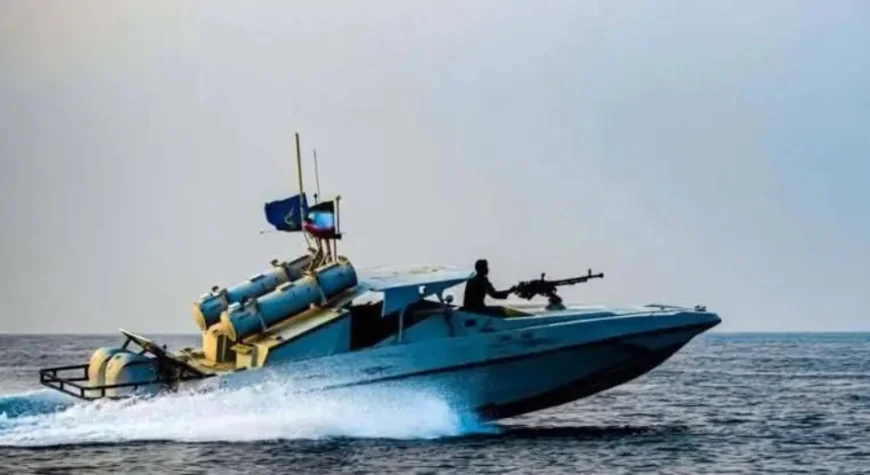
LONDON, UNITED KINGDOM — Iranian Supreme Leader Ayatollah Ali Khamenei warned that any U.S. military intervention would trigger a massive regional war, following President Donald Trump’s announcement of a strict deadline for ongoing nuclear negotiations with Tehran.
The escalation comes as the United States significantly bolsters its combat power in the Middle East, while regional intermediaries attempt to navigate a diplomatic exit from the crisis. Trump stated on January 30 that while "serious" talks are occurring to prevent Iran from developing nuclear weapons, his administration has provided a specific timeframe for Tehran to comply or face military consequences.
Trump’s ultimatum and "serious" negotiations
President Trump emphasized that military action could be averted if Iran abandons its nuclear program and stops the violent suppression of domestic protesters. Speaking to reporters at the White House, Trump confirmed that the U.S. is currently communicating with Iranian officials. "I told them two things: no nuclear, and stop killing the protesters," Trump said, adding that he hopes the "massive and powerful ships" currently heading toward Iran will not have to be used.
The U.S. administration’s stance follows weeks of mounting pressure and a "Midnight Hammer" style military readiness posture. While the President did not disclose the exact duration of the deadline, he noted that "time is running out" for a diplomatic resolution.
Regional mediation and structural progress
In contrast to the war scenarios circulating in global media, Iranian officials have hinted at potential diplomatic breakthroughs. Ali Larijani, Secretary of the Supreme National Security Council, stated that progress is being made on the "structural arrangements" for negotiations. This sentiment was echoed by Foreign Minister Abbas Araghchi, who told CNN that while trust in Washington is low, communications through "friendly countries" in the region have been "fruitful."


Qatar has taken a leading role in these efforts. Qatari Prime Minister Sheikh Mohammed bin Abdulrahman al-Thani met with Larijani in Tehran on Saturday to de-escalate tensions. Iranian President Masoud Pezeshkian also communicated with Egyptian President Abdel Fattah el-Sisi, asserting that Iran "does not want war" and remains convinced that a conflict would serve no one's interests.
Military build-up and mutual exercises
Despite diplomatic maneuvers, military activity on both sides remains high. The U.S. Central Command (CENTCOM) announced the arrival of the USS Abraham Lincoln carrier strike group, accompanied by three warships loaded with Tomahawk cruise missiles. In response, Iran’s semi-official Tasnim news agency announced that the Iranian Navy will conduct joint exercises with Russia and China in the North Indian Ocean in mid-February.
Internal security within Iran also remains volatile. On January 31, multiple explosions were reported in the port of Bandar Abbas and the city of Ahvaz, resulting in at least six deaths. While authorities attributed the incidents to "gas leaks," the timing has fueled speculation of strategic sabotage.


Strategic targets and the risk of conflict
Military analysts, including Matthew Savill of the Royal United Services Institute (RUSI), suggest that the U.S. now possesses the capability to strike almost any target in Iran, except for deeply buried underground facilities which would require B-2 stealth bombers. Potential targets could include ballistic missile sites, coastal batteries, or IRGC command centers.
However, Savill notes that Trump must weigh the desire to "look decisive" against the risk of triggering a prolonged conflict. While the Iranian regime faces significant internal pressure from ongoing protests, the possibility of a "wounded" Tehran striking regional "soft targets" in retaliation remains the primary concern for neighboring Gulf states.
What's Your Reaction?
 Like
0
Like
0
 Dislike
0
Dislike
0
 Love
0
Love
0
 Funny
0
Funny
0
 Wow
0
Wow
0
 Sad
0
Sad
0
 Angry
0
Angry
0

Editor | Wise News Press — Delivering accurate, timely global news with integrity, insight, and editorial responsibility.














Comments (0)