



Turkey marks third anniversary of February 6 earthquakes
On the third anniversary of the February 6 disaster, Turkey commemorates over 53,000 victims while debates over housing promises and judicial processes continue.


By Ahmet Taş | Wise News Press
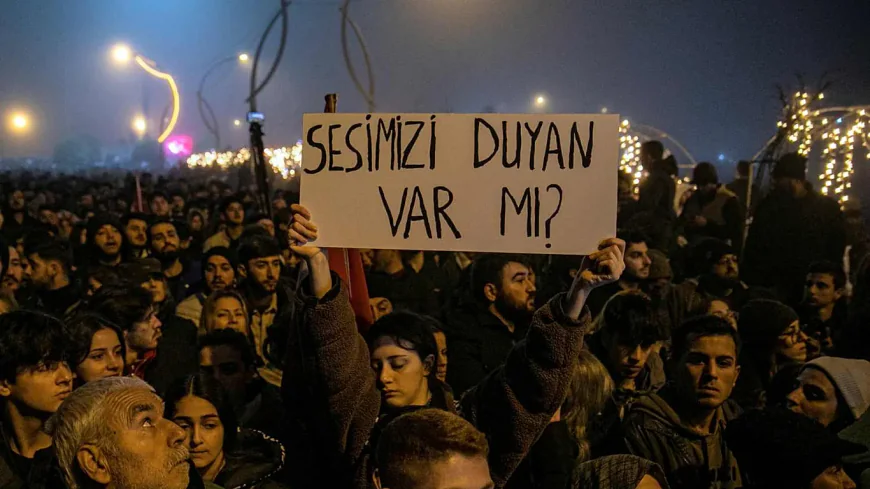
KAHRAMANMARAŞ, TURKEY — Turkey commemorated the third anniversary of the devastating February 6, 2023, earthquakes today, as families of more than 53,000 victims continue to demand justice and permanent housing.
Three years after the 7.7 and 7.6 magnitude quakes centered in Kahramanmaraş struck 11 provinces, the social and physical recovery of the region remains a point of intense national debate. Commemorations began at exactly 04:17 AM, the moment the first tremor hit, with citizens gathering in cities like Hatay, Adıyaman, and Malatya to leave carnations at debris sites and hold vigils for those who perished.
Housing promises and political friction
The anniversary has reignited criticisms regarding the government's reconstruction efforts. Opposition leader Özgür Özel, Chairman of the Republican People's Party (CHP), highlighted that despite the passage of three years, approximately 270,000 people are still living in temporary container cities.
In response, Minister of Environment, Urbanization, and Climate Change Murat Kurum stated that 455,000 new houses have been delivered to survivors, calling it a historic success. However, independent reports suggest that the total remains below the initial government target of delivering 319,000 units within the first year alone.
Slow progress in judicial proceedings
Justice remains a central concern for the victims' families. According to data provided by Justice Minister Yılmaz Tunç in November 2025, while 2,591 criminal cases have been filed, only 208 individuals are currently in custody.


Human rights organizations, including Human Rights Watch (HRW), have criticized the trials for focusing predominantly on contractors and technical staff while few public officials responsible for permits and inspections have faced prosecution. The lack of "investigation permits" for mayors and urban managers remains a significant barrier to comprehensive legal accountability.
Disaster management and the Red Crescent controversy
Reflecting on the early days of the disaster, citizens continue to recall the coordination failures and the scandal involving the Turkish Red Crescent (Kızılay), which was revealed to have sold tents to the charity Ahbap instead of distributing them for free.
Furthermore, the lack of high-level resignations following the tragedy remains a sore point for the public. While some local officials, such as the Governor of Adıyaman, resigned citing health reasons following protests, no cabinet-level officials took responsibility for the initial response delays or the scale of the destruction.


Long-term social and demographic impact
The disaster has permanently altered the demographics of southern Turkey. Migration data shows that a significant portion of the population from Hatay and Adıyaman has not returned from larger metropolitan areas, threatening the cultural fabric of these historic cities.
As experts warn of a pending earthquake in the Marmara region, the focus remains on whether the lessons from February 6—such as the dangers of "zoning amnesties" and insufficient building inspections—have been truly integrated into Turkey's urban planning policies.
What's Your Reaction?
 Like
0
Like
0
 Dislike
0
Dislike
0
 Love
0
Love
0
 Funny
0
Funny
0
 Wow
0
Wow
0
 Sad
0
Sad
0
 Angry
0
Angry
0

Editor | Wise News Press — Delivering accurate, timely global news with integrity, insight, and editorial responsibility.




















Comments (0)