



Bloomberg Analysis: Iran faces biggest revolution threat since 1979
A Bloomberg analysis reveals that Iran's nationwide protests represent the regime's most critical test since 1979, potentially reshaping global energy and geopolitics.
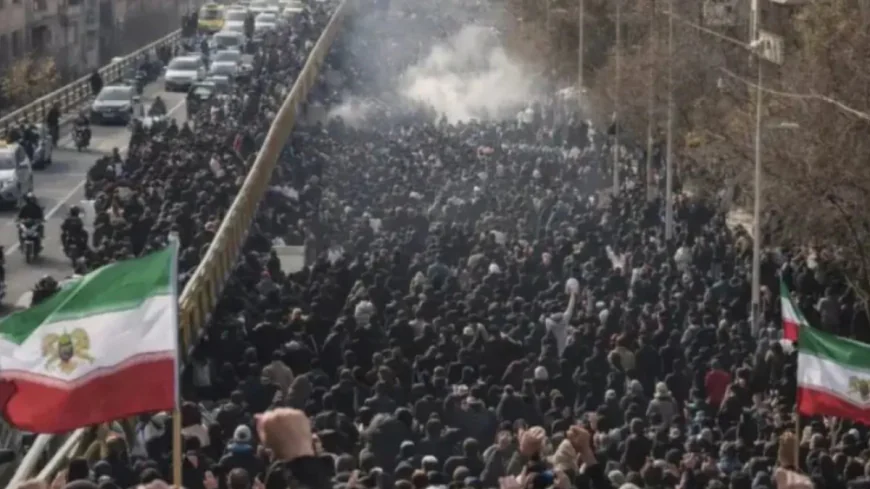


WISE NEWS PRESS / TEHRAN, IRAN
A comprehensive analysis by Bloomberg suggests that the escalating nationwide protests in Iran have evolved into the most significant challenge to the Islamic Republic since the 1979 revolution, with potential to fundamentally alter global geopolitical and energy markets.
The report highlights that the combination of economic collapse and widespread public anger has backed the Tehran administration into a corner, driving Brent crude oil prices above 63 USD amid fears of supply disruptions. According to data from the Human Rights Activists News Agency (HRANA), more than 500 people have lost their lives and 10,000 have been detained over the past two weeks as demonstrations target the core of the ruling regime.
US considers military and technological options
In light of recent leadership shifts in Venezuela and Syria, the analysis notes a more aggressive shift in US foreign policy. President Donald Trump has stated that "very strong options" are on the table, with military commanders reportedly providing briefings on potential strike scenarios. Additionally, Trump indicated plans to consult with Elon Musk regarding the deployment of Starlink satellites to restore internet access across Iran, countering the regime’s attempts to suppress information through digital blackouts.
Energy markets and the risk of oil strikes
As OPEC’s fourth-largest producer, any instability in Iran resonates directly through global energy corridors. The call for strikes by the exiled Crown Prince Reza Pahlavi has further unsettled investors, drawing parallels to the 1978 oil strikes that catalyzed the monarchy's downfall. While oil exports have not yet seen a significant decline, market analysts warn that a prolonged crisis could lead to a global supply shock, affecting major economies and Russian strategic interests in the region.
Future scenarios: Leadership change or military coup
Bloomberg Economics analysts suggest that the current structure of the Islamic Republic is unlikely to survive through the end of 2026. Potential outcomes range from a managed leadership transition to a military coup led by the Islamic Revolutionary Guard Corps (IRGC). Such a shift could result in increased social freedoms but might lead to a more militarized foreign policy, leaving neighboring Gulf states concerned about a power vacuum or a descent into prolonged regional chaos.




What's Your Reaction?
 Like
0
Like
0
 Dislike
0
Dislike
0
 Love
0
Love
0
 Funny
0
Funny
0
 Wow
0
Wow
0
 Sad
0
Sad
0
 Angry
0
Angry
0

Editor | Wise News Press — Delivering accurate, timely global news with integrity, insight, and editorial responsibility.
















Comments (0)